



Peapod.com opens 100 digital rail station grocery stores
Commuters in Boston, Connecticut, New York, New Jersey, Philadelphia, Washington, D.C. and Chicago will be able to order groceries for delivery using their mobile devices at the company's digital grocery aisles on the train platforms.

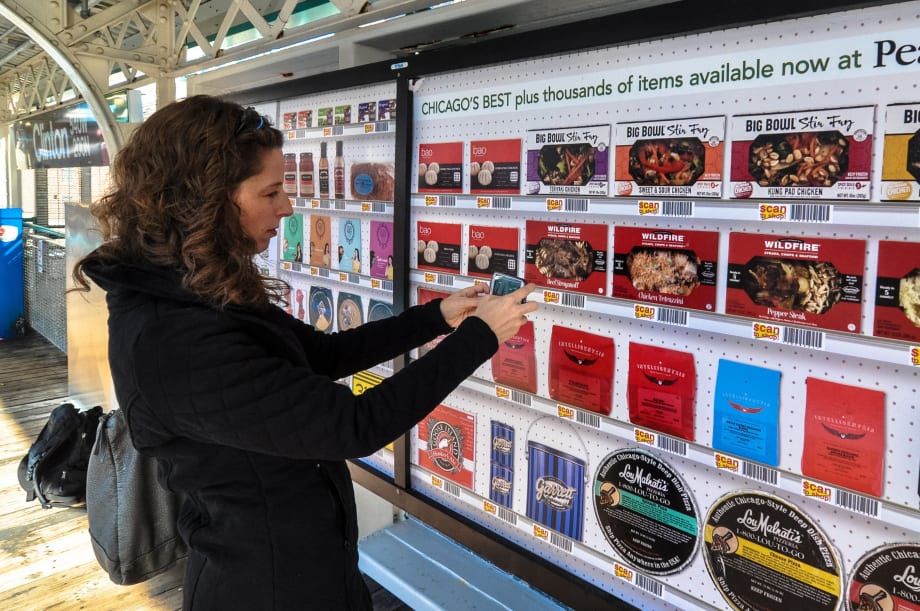
Virtual grocery store company, Peapod.com, is launching more than 100 sites at commuter rail stations in Boston, Connecticut, New York, New Jersey, Philadelphia, Washington, D.C. and Chicago.
The virtual store technology features billboards of larger-than-life grocery aisles on the train platforms. Commuters with iPhones, iPads or Android phones simply scan a QR code on the billboards to download a free PeapodMobile app and start shopping on the spot by scanning bar codes of the products displayed in the "aisles."
Peapod has teamed with national consumer products brands, including Barilla, Coca-Cola, Kimberly Clark, Proctor & Gamble and Reckitt Benckiser for the project. Commuters can make selections from Peapod's entire online store, and schedule home deliveries — for next day or even several days or weeks in advance —during their train rides.
"Getting your groceries on the way home from work just got a whole new meaning," said Mike Brennan, COO, Peapod. "With schedules that are more demanding than ever and people spending 200+ hours a year in transit, our hope is that consumers will take advantage of our virtual stores and mobile app while they're on the go and enjoy the time saved when they're at home."
Peapod's East Coast virtual store ads feature products that typically fill weekly grocery shopping baskets for busy households, including staples like coffee, condiments and cleaning products; soft drinks, snacks and cereal; milk and bread; health and beauty products; and fresh fruits and vegetables. In Chicago, virtual stores feature Peapod's selection of Chicago's Best prepared foods, sourced from 30 of the city's favorite restaurants and hometown brands, such as Wildfire, Big Bowl, Eli's cheesecake, Chicago Butter Cookies, Intelligentsia coffee and Goose Island Beer.
Once on the PeapodMobile app, customers have access to more than 11,000 popular and store-brand products, from grocery basics to farm-fresh produce; top quality meats and seafood; prepared foods and party trays; deli meats and cheeses, sliced to order; Kosher, organic and specialty foods; office, school and pet supplies. A variety of beer, wine and beverages are also available in select markets.
First-time Peapod customers will need to register on www.peapod.com in order to complete their first PeapodMobile order on their smartphones.
A recent report from Nielsen finds that more than one quarter (26%) of global respondents plan to purchase food and beverages via a device with Internet access in the next three to six months. Additionally, 61% of respondents said they used the Internet for grocery shopping research.
"We all know how challenging it can be to get the attention of consumers in a meaningful way. When we piloted the virtual aisles in Philadelphia and Chicago earlier this year, we found that the advertising stopped people, it engaged them,” Brennan said. “That's what we're after."
More Rail

FTA Ends Direct Oversight of MBTA Safety Actions
The federal agency closed its remaining special directive to the Massachusetts Department of Public Utilities following a safety review that began in 2022.
Read More →
Amtrak, CN Reach Agreements to Strengthen Passenger Rail Service, Safety
The agreement resolves a more than decade-long proceeding before the Surface Transportation Board concerning the terms and conditions for Amtrak services, such as the City of New Orleans, Illini/Saluki, and Wolverine.
Read More →
New York MTA Advances Final Contract for Second Avenue Subway Expansion
Contract Four is the largest in the Second Avenue Subway Phase 2 project and includes construction of station infrastructure, tracks, and signals for the subway expansion, MTA officials said. Work on Contract Four will begin in 2027.
Read More →
San Diego MTS Breaks Monthly Trolley Ridership Record
Agency officials said July’s ridership indicates MTS’s continued recovery from the pandemic.
Read More →
Report Examines NJ TRANSIT Reliability, Funding Challenges
The Garden State Initiative analysis examines the roles of Amtrak infrastructure, fleet management, and agency operations while recommending a more performance-based approach to improving reliability.
Read More →
Stadler, CapMetro Sign Long-Term Rail Fleet Support Agreement
Beginning in 2027, Stadler will provide on-site technical expertise, spare parts support, training, and obsolescence management to help extend the reliability and longevity of CapMetro’s GTW fleet.
Read More →
Biz Briefs: Alstom Lands Canadian Contract, LYT to Supply California TSP, and More
In METRO's latest installment, we take a look at recent news from Complete Coach Works, Beep, FlixBus, and more partnerships making headlines across the transportation sector.
Read More →
CATS Gold Line Marks 5 Years of Service, 2.8M Passenger Trips
With a six-mile expansion planned, the Charlotte streetcar is positioned to connect more neighborhoods and major transit hubs across the region.
Read More →
Why Simulating Pedestrian Movement Has Become Essential for Modern Rail Stations
Pedestrian microsimulation is helping rail planners identify bottlenecks, test station designs, and prepare complex transit hubs for growing passenger volumes.
Read More →
Amtrak Begins Major Construction at New York’s Sunnyside Yard
The new maintenance facility will support Amtrak’s Airo trainsets while improving maintenance efficiency and turnaround times in New York.
Read More →