



UPDATE: More than 70% of transit measures pass
Twenty-one measures with a significant transit component were considered by voters in 12 states. Fourteen measures were approved; one remains undecided as votes continue to be counted in Pierce County, Wash.; and two more public transit measures will be decided in Los Angeles and Kansas City, Mo. next month.

UPDATE: Richland County, S.C. finished counting votes on November 8 for its one-cent sales tax increase to support road improvements, bus service, greenways and bike lanes. The measure passed by 53%.
By a passage rate of nearly 68.4%, voters across the country continued a track record of success for pro-transit measures as 14 of 19 local public transit-related ballot initiatives were approved on Tuesday, according to the American Public Transportation Association (APTA) and the Center for Transportation Excellence (CFTE).
A total of 21 measures with a significant transit component were considered by voters in 12 states from California to Maine. Fourteen measures were approved and one remains undecided as votes continue to be counted in Pierce County, Wash. Two additional public transit measures will be decided in Los Angeles and Kansas City, Mo. next month.
Adding the results to earlier transit measures this year, 47 out of 58 pro-transit measures have passed in 2012 at a rate of 79.3%. These numbers reflect a long-term trend — since the year 2000, more than 70% of public transit ballot measures have successfully passed.
With only four measures left to decide — one from Tuesday and the two elections pending in December — the success rate for 2012 stands at more than 80%. This year has seen the largest number of transit ballot measures since CFTE began tracking initiatives in 2000.
“This successful trend of passing transit measures demonstrates that public transportation is a vital and essential service that people want and need. Even with economic concerns still on everyone’s minds, voters decided to pass taxes, create bonding, or take other actions to improve or maintain public transportation,” said APTA President/CEO Michael Melaniphy.
The majority of transit ballot measures continue to be aimed at increasing investment. Fourteen of Tuesday’s measures dealt directly with transportation finance, including seven sales taxes, five property taxes, one bond and one gas tax.
In a closely watched race, Orange County, N.C. approved a half-cent sales tax for transit. This follows last year’s successful half-cent sales tax measure for improved public transportation in Durham County, N.C., by creating larger, regional public transportation services in the Research Triangle area of North Carolina, which includes Raleigh, Durham and Chapel Hill.
Voters in Arlington County, Va., overwhelmingly voted by 80% to pass a nearly $32 million bond that will support a number of public transit projects, including capital projects for the Washington Metropolitan Area Transit Authority.
Michigan voters continued to embrace property tax measures to support public transportation. Earlier this year, Michigan communities approved 27 of these measures. On Election Day, four more property tax levies were approved by voters in the state.
Not all successful transit-related initiatives involved raising new funds. There were three ballot initiatives to eliminate service and all three were turned down. By a rate of 70%, voters in Falmouth, Maine voted against ending Metro services after December 31, 2013. Fifty-nine percent of voters in Spencer Township, Ohio voted against withdrawing from the Toledo Area Regional Transit Authority. Additionally, 73% of voters in Walker, Mich. voted against a measure to end service by the Interurban Transit Partnership.
Despite the record of success this year, yesterday’s elections did bring some losses. Two significant measures in California were defeated. However, both measures attracted strong majority support among voters but fell just short of California’s supermajority requirement for tax increases. Despite nearly 65% of voters approving Measure B1 in Alameda County and Measure J in Los Angeles County, both fell just short of the 66.67% hurdle. If these sales tax measures had been on the ballot in any other state in the nation, they would easily have won.
Voters in three states rejected attempts to curtail local transit service. Communities in Michigan, Ohio and Maine considered measures to withdraw from established transit systems without providing citizens any alternatives. All four of these measures were roundly rejected.
For a complete list of 2012 transportation state and local ballot initiatives, go to the CFTE Website.
More Paratransit

Driving Smarter Paratransit
John Hanlon shares how AlphaRoute is leveraging AI-powered technology to help paratransit providers optimize operations, support frontline staff, and enhance the rider experience.
Read More →
People Movement: Dan Dipert Coaches Adds Third-Generation Leader, Keolis Names New Valley Metro VP/GM, and More
In this edition, we also cover recent appointments and announcements at the Wabtec, SilverRide, HNTB, and more, showcasing the individuals helping to shape the future of transportation.
Read More →
Biz Briefs: RIPTA Unveils New Frontrunners, Clevland RTA Adds New Siemens, and More
In METRO's latest installment, we take a look at recent news from Siemens, Prevost, Dodge, and more partnerships making headlines across the transportation sector.
Read More →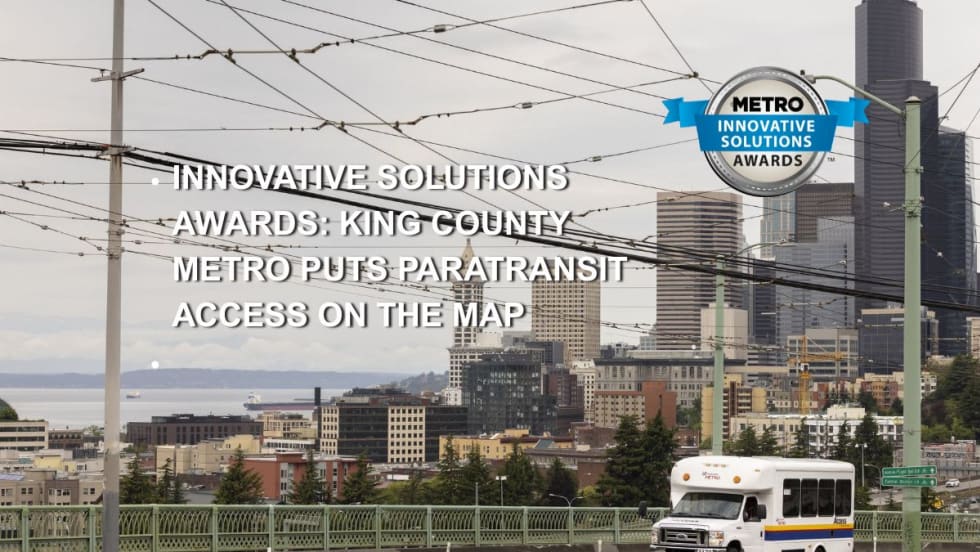
King County Metro Makes ADA Paratransit Easier to Navigate
METRO's Innovative Solutions Award winner replaces complex service-area descriptions with an accessible, interactive map that puts paratransit information directly in customers’ hands.
Read More →
Jacksonville’s NAVI Project Charts a New Course for Autonomous Public Transportation
Through its NAVI program, JTA is showing how autonomous vehicles, intelligent infrastructure, and coordinated operations can work together to deliver everyday public transportation.
Read More →
Driving Smarter Paratransit
John Hanlon shares how AlphaRoute is leveraging AI-powered technology to help paratransit providers optimize operations, support frontline staff, and enhance the rider experience.
Read More →
METRO Magazine Announces 2026 Innovative Solutions Awards Winners
Projects Recognized for Advancing Mobility Through Technology, Accessibility, Workforce Innovation, and Operational Excellence
Read More →
Biz Briefs: STV teams with Amtrak, Motorcoach Operators Boost Fleet and Land Contracts, and More
From manufacturers and suppliers to transit agencies and motorcoach operators, these updates offer a snapshot of the projects, partnerships and business moves driving the industry forward.
Read More →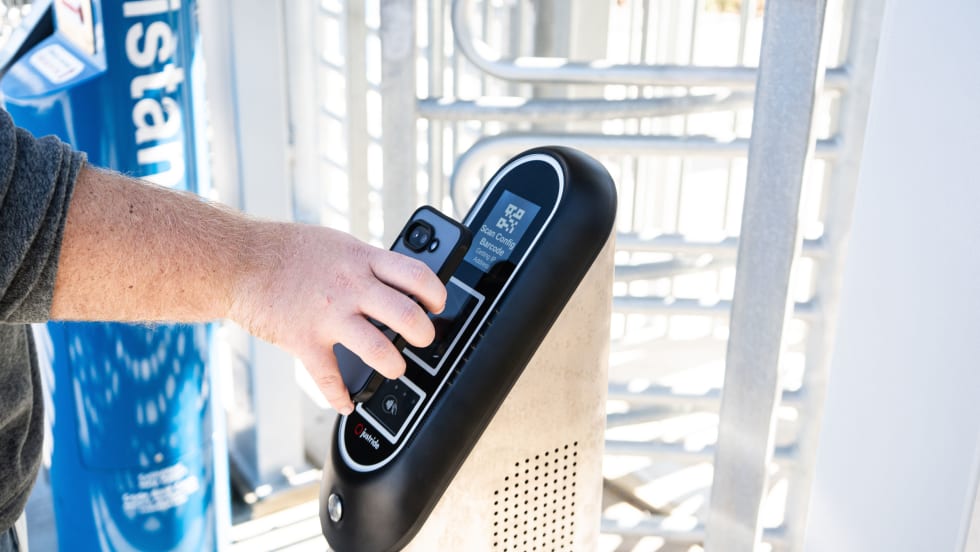
Biz Briefs: Masabi Teams with St. Louis Metro and More
In METRO's latest installment, we take a look at recent news from Transdev, Hitachi, and more partnerships making headlines across the transportation sector.
Read More →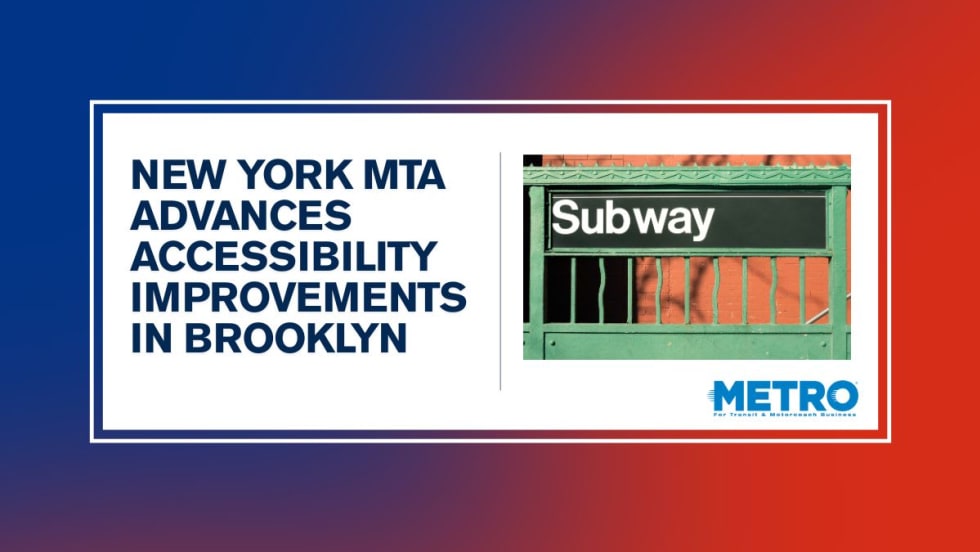
New York MTA Leverages Zoning Program to Advance Station Accessibility
Accessibility enhancements at Nevins St Station will be financed through a development agreement tied to the MTA's Zoning for Accessibility initiative.
Read More →