



Women In Transportation: Donna Shaunesey
Title: Executive Director Organization: JAUNT City: Charlottesville, Va.
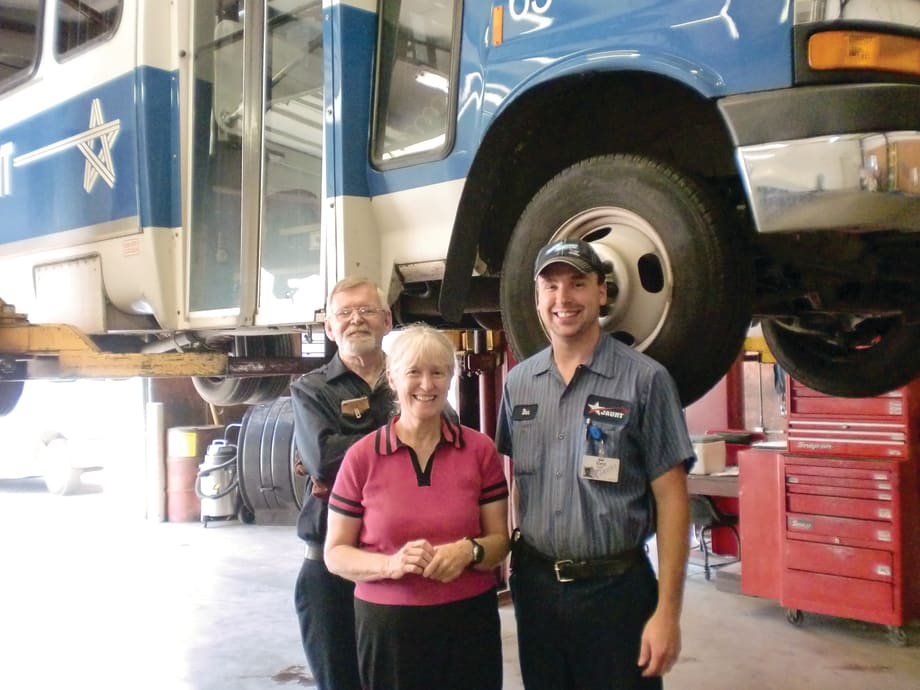
With a master's degree in planning from the University of Virginia, Donna Shaunesey wanted to get a job associated with her concern for the environment in relation to planning.
With a master's degree in planning from the University of Virginia, Donna Shaunesey wanted to get a job associated with her concern for the environment in relation to planning.
A mother with mechanic's certification, Donna Shaunesey always had an interest in rural planning — an interest that shifted slightly when she got into transportation. As executive director for 14 years at the award-winning JAUNT, which makes more than 300,000 trips a year in central Virginia, Shaunesey's career evolved out of her planning skills and appreciation for the environment.
With a master's degree in planning from the University of Virginia, Shaunesey wanted to get a job associated with her concern for the environment in relation to planning. During her job hunt, JAUNT was hiring an assistant director who could also serve as a planner since rural Charlottesville, Va., was evolving into a small urban area.
When hired for the assistant director position, Shaunesey won the position over a man from M.I.T. — partially thanks to her auto mechanic's certification from a local vocational school. After 12 years, she then went into city planning for Charlottesville. But, she didn't stay away long. She says that the citizen complaints were too much of a common occurrence.
In 1996, Shaunesey was hired back to JAUNT as executive director.
"At that point, transit was in my blood," she says. "It's a fascinating area, especially for what we do here, because we really are the lifeline for tons of people. About half the people have disabilities and can't get to work or nursing homes, so it's really clear that it's an important function for us - and they're great people to work with."
Shaunesey has nurtured quite the growth for JAUNT. When she was hired, JAUNT owned 12 vehicles that ran Monday through Friday, serving Charlottesville and two counties. Now, with 70 vehicles in its fleet, the organization covers an additional three counties,— totaling around 2,500 square miles — seven days a week.
JAUNT also manages its own facilities and maintenance. "It took us a while to get to this point, but we're grateful," says Shaunesey, who is also president of the Community Transportation Association of Virginia.
Despite the recent economic downturn and having to stall pay raises, JAUNT services have grown in the last couple years. Shaunesey recently hired a new assistant director, who has taken some of the load off her many tasks that range to virtually every end of JAUNT. Sometimes, she is even down in the maintenance shop talking with the mechanics. The tricky part of Shaunesey's job is dealing with six local governments, where each has its own transit focus, such as the seniors in one county and after-school programs in another.
Shaunesey produces board packets for each of the monthly board meetings, supervises the finances and makes sure the customers at the call center are getting dealt with fairly.
"Some of our folks, our passengers, they call just to talk," she says. "So, we have to find a way to gently deal with that. We have some people who call three times a day."
JAUNT also deals with some unique problems that urban agencies don't have to worry about: tough terrain.
But, enjoying Virginia's outdoors is Shaunesey's pastime. The environment is an important aspect to her life, where at one point she canned her own vegetables, raised a dairy cow and made her own cheese. And, mass transit is certainly a preferred form of transportation in keeping a low carbon footprint, which suits Shaunesey well. "You can really help out the environment through transportation," she says. "I've spent so many years telling people to get out of their cars and ride the bus."
One would guess that with her outlook she probably rides public transit to work, but she doesn't. She rides her bicycle.
More Paratransit

Biz Briefs: RIPTA Unveils New Frontrunners, Clevland RTA Adds New Siemens, and More
In METRO's latest installment, we take a look at recent news from Siemens, Prevost, Dodge, and more partnerships making headlines across the transportation sector.
Read More →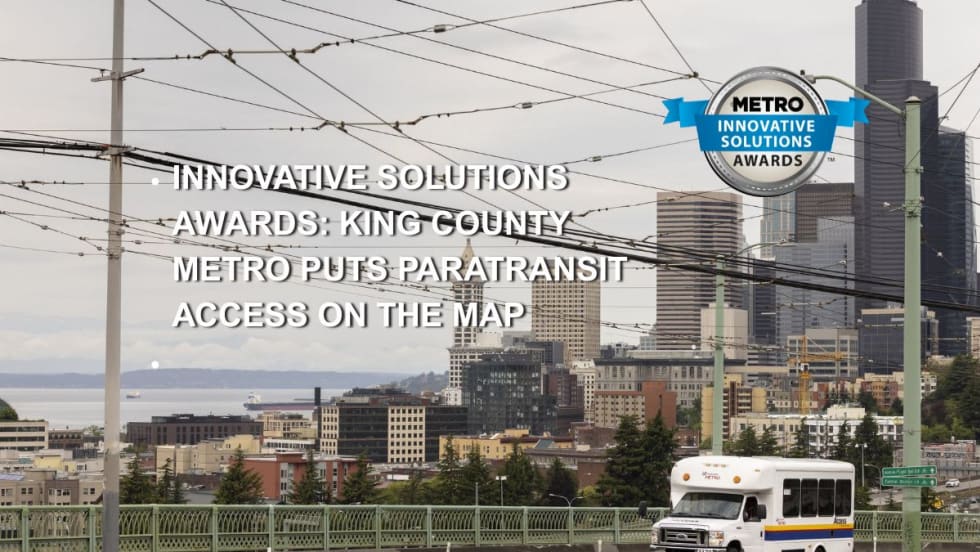
King County Metro Makes ADA Paratransit Easier to Navigate
METRO's Innovative Solutions Award winner replaces complex service-area descriptions with an accessible, interactive map that puts paratransit information directly in customers’ hands.
Read More →
Jacksonville’s NAVI Project Charts a New Course for Autonomous Public Transportation
Through its NAVI program, JTA is showing how autonomous vehicles, intelligent infrastructure, and coordinated operations can work together to deliver everyday public transportation.
Read More →
Driving Smarter Paratransit
John Hanlon shares how AlphaRoute is leveraging AI-powered technology to help paratransit providers optimize operations, support frontline staff, and enhance the rider experience.
Read More →
METRO Magazine Announces 2026 Innovative Solutions Awards Winners
Projects Recognized for Advancing Mobility Through Technology, Accessibility, Workforce Innovation, and Operational Excellence
Read More →
Biz Briefs: STV teams with Amtrak, Motorcoach Operators Boost Fleet and Land Contracts, and More
From manufacturers and suppliers to transit agencies and motorcoach operators, these updates offer a snapshot of the projects, partnerships and business moves driving the industry forward.
Read More →
Biz Briefs: Masabi Teams with St. Louis Metro and More
In METRO's latest installment, we take a look at recent news from Transdev, Hitachi, and more partnerships making headlines across the transportation sector.
Read More →
New York MTA Leverages Zoning Program to Advance Station Accessibility
Accessibility enhancements at Nevins St Station will be financed through a development agreement tied to the MTA's Zoning for Accessibility initiative.
Read More →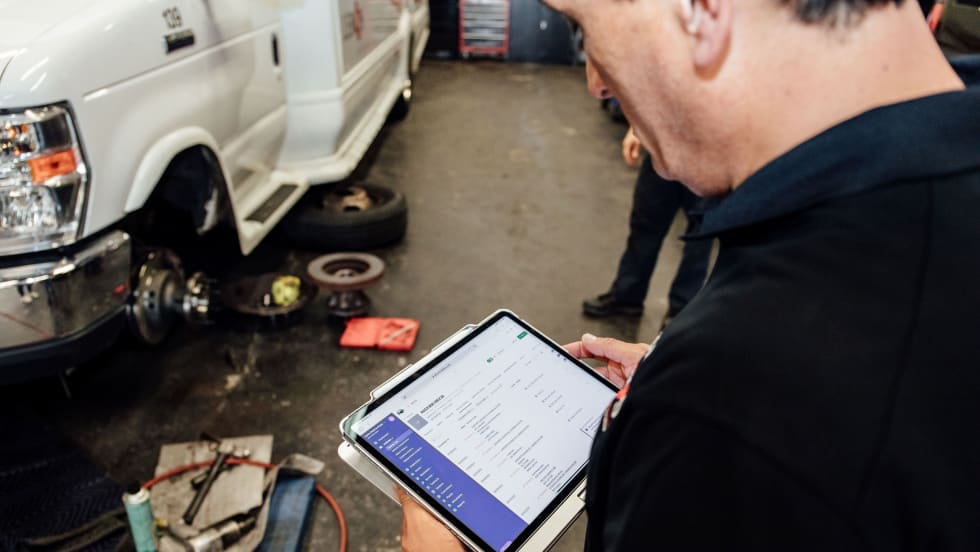
Reinventing Fleet Maintenance with Real-time Visibility and AI
Transit leaders need to know what needs fixing, where to look, who is responsible, when work is completed, and what it costs without having to chase information across disconnected systems.
Read More →
SamTrans Sets Priorities for Potential Connect Bay Area Revenue
The board-approved framework allocates future funding to maintaining service, rider improvements, equity initiatives, and infrastructure repairs.
Read More →