



Federal leaders highlight new transit safety authority
MAP-21 requires, among other things, that FTA define and establish a State Safety Oversight program to ensure that rail transit systems are meeting stringent safety requirements.

U.S. Transportation Deputy Secretary John Porcari and Federal Transit Administrator Peter Rogoff joined Maryland Senator Barbara Mikulski and top safety and transit officials to celebrate a legislative victory that will ensure that transit passengers in the United States who board a light rail, commuter rail, heavy rail or transit bus will travel on a system governed by robust federal safety oversight for the first time.
The new safety regulatory authority in MAP-21(Moving Ahead for Progress in the 21st Century), the new two-year transportation authorization signed into law by President Obama on July 6, is the culmination of a concerted effort by the Federal Transit Administration (FTA) and the U.S. Department of Transportation (DOT) that began in December 2009, when Secretary LaHood formally transmitted to Congress a legislative proposal to establish and enforce minimum federal safety standards for rail transit systems. Many of the safety provisions included in MAP-21, which take effect on October 1, 2012, are reflected in the Administration’s proposal.
“This is an important win for the safety of tens of millions of Americans who use transit each day and for the well-being of transit workers on the front lines as conductors and track inspectors,” said Rogoff. “I’m deeply gratified that for the first time, we are ushering in an era where in every state and transit agency safety will be a real priority.”
MAP-21 requires, among other things, that FTA define and establish a State Safety Oversight program to ensure that rail transit systems are meeting stringent safety requirements. The law also includes important new safety provisions for bus-only operators. FTA will implement the new law in consultation with the transit community and the U.S. DOT Transit Rail Advisory Committee for Safety, which has been working since September of 2010 to help guide this effort.
Under current law, FTA, which finances nearly half of the capital expenditures for transit systems nationwide, is not authorized to issue basic safety standards to protect rail transit passengers and rail workers. The result is a patchwork of state laws that do not provide seamless or consistent safety coverage. For instance, a passenger can board a MARC commuter train in Maryland that is subject to safety regulations imposed by the Federal Railroad Administration and then transfer directly to the Washington, D.C. Metrorail, which is not subject to direct federal safety regulation or oversight. The transit safety provisions in MAP-21 will help to remedy these long-standing shortcomings.
More Paratransit

Biz Briefs: RIPTA Unveils New Frontrunners, Clevland RTA Adds New Siemens, and More
In METRO's latest installment, we take a look at recent news from Siemens, Prevost, Dodge, and more partnerships making headlines across the transportation sector.
Read More →
King County Metro Makes ADA Paratransit Easier to Navigate
METRO's Innovative Solutions Award winner replaces complex service-area descriptions with an accessible, interactive map that puts paratransit information directly in customers’ hands.
Read More →
Jacksonville’s NAVI Project Charts a New Course for Autonomous Public Transportation
Through its NAVI program, JTA is showing how autonomous vehicles, intelligent infrastructure, and coordinated operations can work together to deliver everyday public transportation.
Read More →
Driving Smarter Paratransit
John Hanlon shares how AlphaRoute is leveraging AI-powered technology to help paratransit providers optimize operations, support frontline staff, and enhance the rider experience.
Read More →
METRO Magazine Announces 2026 Innovative Solutions Awards Winners
Projects Recognized for Advancing Mobility Through Technology, Accessibility, Workforce Innovation, and Operational Excellence
Read More →
Biz Briefs: STV teams with Amtrak, Motorcoach Operators Boost Fleet and Land Contracts, and More
From manufacturers and suppliers to transit agencies and motorcoach operators, these updates offer a snapshot of the projects, partnerships and business moves driving the industry forward.
Read More →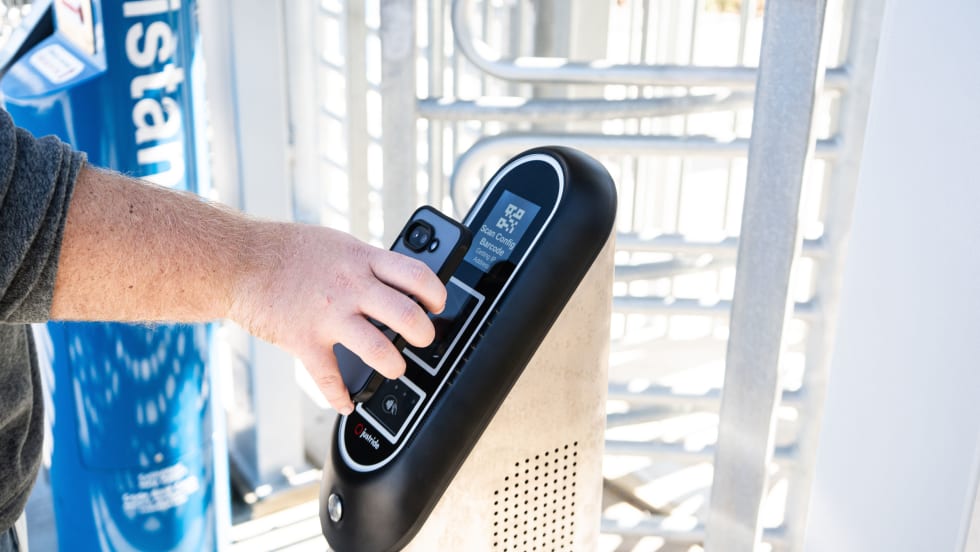
Biz Briefs: Masabi Teams with St. Louis Metro and More
In METRO's latest installment, we take a look at recent news from Transdev, Hitachi, and more partnerships making headlines across the transportation sector.
Read More →
New York MTA Leverages Zoning Program to Advance Station Accessibility
Accessibility enhancements at Nevins St Station will be financed through a development agreement tied to the MTA's Zoning for Accessibility initiative.
Read More →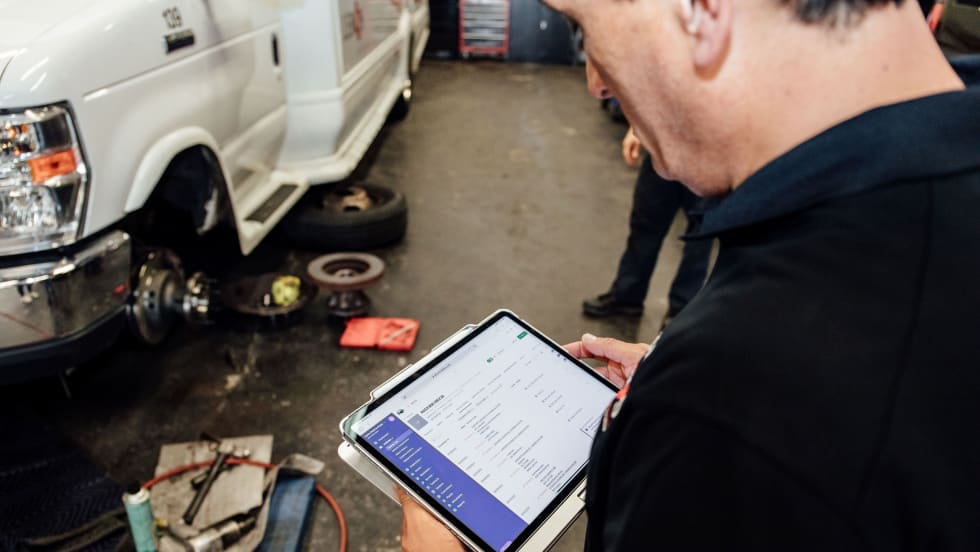
Reinventing Fleet Maintenance with Real-time Visibility and AI
Transit leaders need to know what needs fixing, where to look, who is responsible, when work is completed, and what it costs without having to chase information across disconnected systems.
Read More →
SamTrans Sets Priorities for Potential Connect Bay Area Revenue
The board-approved framework allocates future funding to maintaining service, rider improvements, equity initiatives, and infrastructure repairs.
Read More →