



Study focuses on economics of transportation needs for rural elderly
Rural residents are sometimes forced to make the difficult decision of staying in place or moving closer to healthcare and other services.


The aging baby boomer population is increasing the importance of mobility issues. Photo: ESPA
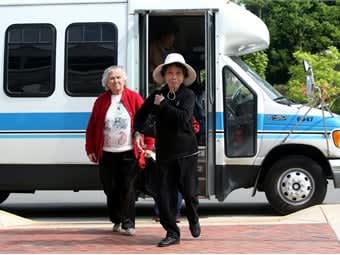
The aging baby boomer population is increasing the importance of mobility issues. Photo: ESPA
A multidisciplinary team of researchers is examining economic issues associated with providing transportation for the rural elderly and other socially disadvantaged populations.
The aging baby boomer population is increasing the importance of mobility issues, including transportation, to society, the researchers said, also noting studies are needed to examine potential alternatives to increase the mobility of the elderly including both private and public alternatives.
“There are several reasons why the elderly proportion of the rural population is increasing, including aging in place, people retiring to rural areas and outmigration of young people,” said Dr. James Mjelde, research team leader and professor of agricultural economics at Texas A&M University in College Station. “As people are living longer, transportation for healthcare and other needs becomes even more paramount.”
Rural residents are sometimes forced to make the difficult decision of staying in place or moving closer to healthcare and other services. The team hopes their research recommendations will help enhance rural transportation options to improve the quality of life for elderly and other disadvantaged individuals.
“Rural transportation providers are looking at innovative solutions,” said Dr. Rebekka Dudensing, research team co-member and Texas A&M AgriLife Extension Service economist in College Station. “It’s clear that there is no single issue or solution that addresses the spectrum of rural transit districts.”
Research recommendations include:
Improving the basic understanding of the needs of rural transit;
How individual needs translate into broader community issues;
How the adoption of innovative solutions and information technology might improve the coordination, management and efficiency of rural transit systems.
Specific recommendations are in the report titled, “Economics of Transportation Research Needs for Rural Elderly and Transportation Disadvantaged Populations” available at http://bit.ly/2tXIDmM.
More Paratransit

Biz Briefs: RIPTA Unveils New Frontrunners, Clevland RTA Adds New Siemens, and More
In METRO's latest installment, we take a look at recent news from Siemens, Prevost, Dodge, and more partnerships making headlines across the transportation sector.
Read More →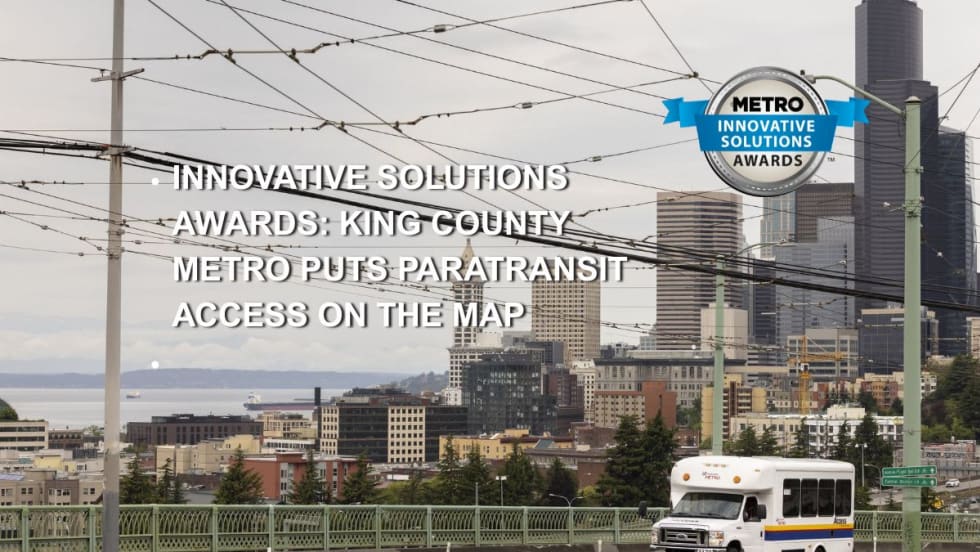
King County Metro Makes ADA Paratransit Easier to Navigate
METRO's Innovative Solutions Award winner replaces complex service-area descriptions with an accessible, interactive map that puts paratransit information directly in customers’ hands.
Read More →
Jacksonville’s NAVI Project Charts a New Course for Autonomous Public Transportation
Through its NAVI program, JTA is showing how autonomous vehicles, intelligent infrastructure, and coordinated operations can work together to deliver everyday public transportation.
Read More →
Driving Smarter Paratransit
John Hanlon shares how AlphaRoute is leveraging AI-powered technology to help paratransit providers optimize operations, support frontline staff, and enhance the rider experience.
Read More →
METRO Magazine Announces 2026 Innovative Solutions Awards Winners
Projects Recognized for Advancing Mobility Through Technology, Accessibility, Workforce Innovation, and Operational Excellence
Read More →
Biz Briefs: STV teams with Amtrak, Motorcoach Operators Boost Fleet and Land Contracts, and More
From manufacturers and suppliers to transit agencies and motorcoach operators, these updates offer a snapshot of the projects, partnerships and business moves driving the industry forward.
Read More →
Biz Briefs: Masabi Teams with St. Louis Metro and More
In METRO's latest installment, we take a look at recent news from Transdev, Hitachi, and more partnerships making headlines across the transportation sector.
Read More →
New York MTA Leverages Zoning Program to Advance Station Accessibility
Accessibility enhancements at Nevins St Station will be financed through a development agreement tied to the MTA's Zoning for Accessibility initiative.
Read More →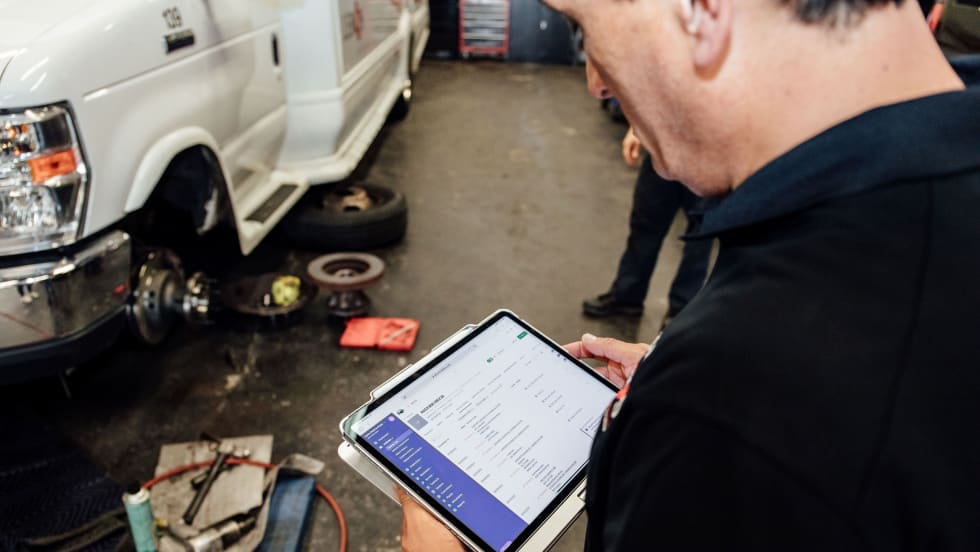
Reinventing Fleet Maintenance with Real-time Visibility and AI
Transit leaders need to know what needs fixing, where to look, who is responsible, when work is completed, and what it costs without having to chase information across disconnected systems.
Read More →
SamTrans Sets Priorities for Potential Connect Bay Area Revenue
The board-approved framework allocates future funding to maintaining service, rider improvements, equity initiatives, and infrastructure repairs.
Read More →