



Q’Straint’s Quantum makes passenger safety push-button easy
Wheelchair and scooter users want independent transportation, and bus drivers have a schedule to maintain. Until now those two objectives often conflicted.

Wheelchair and scooter users want independent transportation, and bus drivers have a schedule to maintain. Until now those two objectives often conflicted.
However, with the introduction of QUANTUM, the industry now has the first securement system designed to keep passengers safe and drivers on schedule.
Using traditional tie-down securements, drivers can take up to several minutes to affix the proper securement straps. In spite of their best efforts to be respectful, the process can be awkward and often invades passengers’ personal space, sometimes even causing unintended discomfort or injury.
The success of the QUANTUM system stems from the creation of the transportation industry’s first fully-automatic, rear-facing wheelchair securement station. QUANTUM allows passengers to board a bus or railcar, quickly position their chairs, and simply push a button to secure themselves in a stable and safe rear-facing position without driver assistance — all in under 25 seconds. Once the vehicle reaches the destination and stops, the passenger simply pushes the button again and independently makes his or her exit. This independent securement process inspires to profoundly change the face of public wheelchair passenger transportation.
Key QUANTUM benefits include no-hassle maintenance program; routes with less curb time and more mileage; ease of securement for drivers and mobility riders as a result of its easy-to-use passenger function; and long-term cost savings. Come see a demonstration during the APTA Expo at Booth #2613
More Paratransit

People Movement: Dan Dipert Coaches Adds Third-Generation Leader, Keolis Names New Valley Metro VP/GM, and More
In this edition, we also cover recent appointments and announcements at the Wabtec, SilverRide, HNTB, and more, showcasing the individuals helping to shape the future of transportation.
Read More →
Biz Briefs: RIPTA Unveils New Frontrunners, Clevland RTA Adds New Siemens, and More
In METRO's latest installment, we take a look at recent news from Siemens, Prevost, Dodge, and more partnerships making headlines across the transportation sector.
Read More →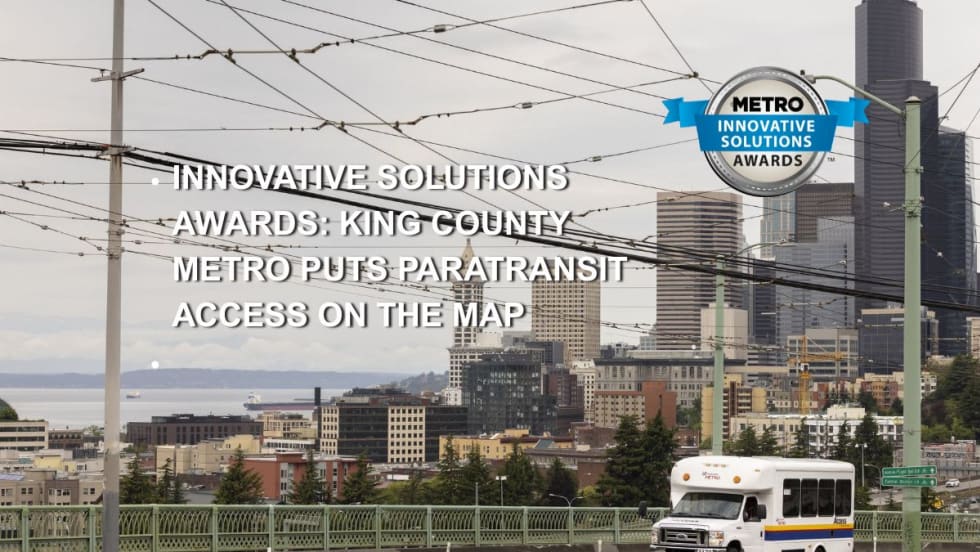
King County Metro Makes ADA Paratransit Easier to Navigate
METRO's Innovative Solutions Award winner replaces complex service-area descriptions with an accessible, interactive map that puts paratransit information directly in customers’ hands.
Read More →
Jacksonville’s NAVI Project Charts a New Course for Autonomous Public Transportation
Through its NAVI program, JTA is showing how autonomous vehicles, intelligent infrastructure, and coordinated operations can work together to deliver everyday public transportation.
Read More →
Driving Smarter Paratransit
John Hanlon shares how AlphaRoute is leveraging AI-powered technology to help paratransit providers optimize operations, support frontline staff, and enhance the rider experience.
Read More →
METRO Magazine Announces 2026 Innovative Solutions Awards Winners
Projects Recognized for Advancing Mobility Through Technology, Accessibility, Workforce Innovation, and Operational Excellence
Read More →
Biz Briefs: STV teams with Amtrak, Motorcoach Operators Boost Fleet and Land Contracts, and More
From manufacturers and suppliers to transit agencies and motorcoach operators, these updates offer a snapshot of the projects, partnerships and business moves driving the industry forward.
Read More →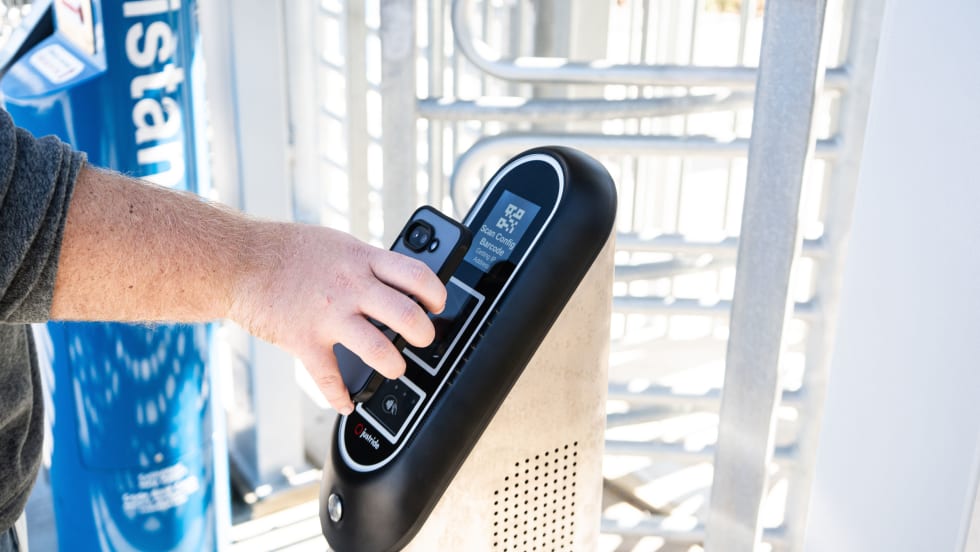
Biz Briefs: Masabi Teams with St. Louis Metro and More
In METRO's latest installment, we take a look at recent news from Transdev, Hitachi, and more partnerships making headlines across the transportation sector.
Read More →
New York MTA Leverages Zoning Program to Advance Station Accessibility
Accessibility enhancements at Nevins St Station will be financed through a development agreement tied to the MTA's Zoning for Accessibility initiative.
Read More →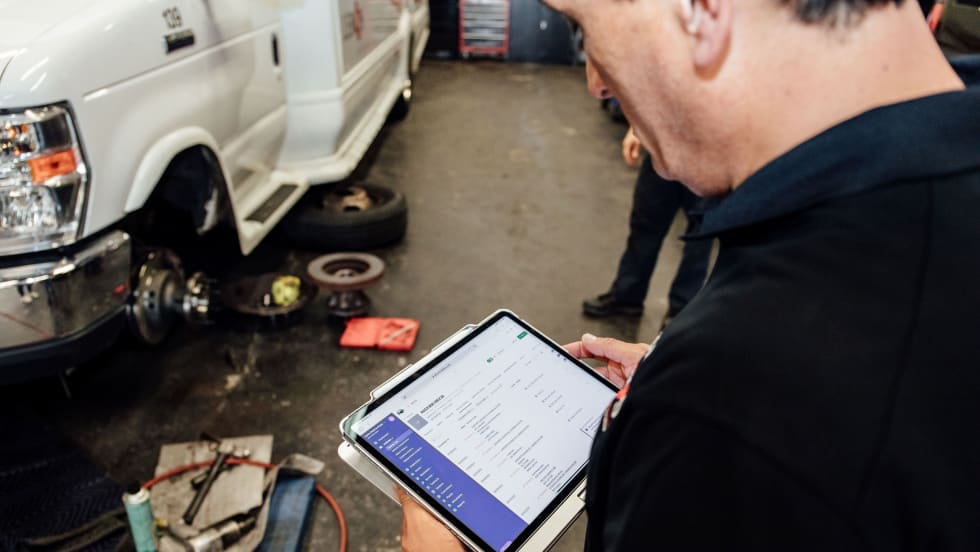
Reinventing Fleet Maintenance with Real-time Visibility and AI
Transit leaders need to know what needs fixing, where to look, who is responsible, when work is completed, and what it costs without having to chase information across disconnected systems.
Read More →