



A Call to Action for Transit
$1 billion of stimulus investment in transportation infrastructure supports 28,000 jobs. $12 billion in new transit funding would create more than 330,000 new jobs.
There has never been a more critical time to invest in public transportation and intercity and high-speed passenger rail infrastructure. In addition to creating hundreds of thousands of jobs, the proposed legislation would create better work access, reduce road congestion and greenhouse gas emissions and decrease fuel consumption.
Get “ready to go”
According to APTA’s economic recovery survey, almost 800 transit projects worth $15.9 billion are “ready-to-go.” Transit investment can be spent quickly and will immediately create “green” jobs. The U.S. Department of Transportation estimates that every $1 billion of stimulus investment in transportation infrastructure supports 28,000 jobs. $12 billion in new transit funding would create more than 330,000 new jobs.
APTA submitted three recommendations to Congress regarding proposed infrastructure investments to expand job creation and address critical public transportation system and national inter-city passenger rail needs:
Provide no less than $12 billion for public transportation investment in economic recovery.
Include at least $2.5 billion, within the total funding for public transportation, for “Transit Energy Assistance” grants or similar authority to address ongoing transit service cuts, fare increases and employee layoffs at transit systems.
Increase funding for intercity passenger rail investment to $5 billion, including $3.4 million for high-speed and intercity passenger rail grants to states, as recommended by Chairman Oberstar. (At press time, The U.S. House of Representatives passed the economic recovery bill (H.R. 1), which contained $12 billion for public transportation.)
Making cuts
Despite surges in ridership for public transportation, transit systems have had to cut service, increase fares and lay off employees as a result of declining state and local revenues, as well as increases in fuel costs.
In order for transportation to succeed in having a robust level of funding, it is important for everyone to contact their congressman to let them know that this is a priority. Whether you call their office, or send an e-mail, let them know how important this to your community. Be sure to cite specific examples of “ready-to-go” transit projects and describe how those projects will create jobs quickly.
Use it or lose it
Like transit projects, the industry also needs to be “ready-to-go” when the money does come through. Fifty percent of economic stimulus funds for transportation projects given to states must be obligated within 90 days, according to a recommendation outlined by the House Transportation and Infrastructure Committee. If this requirement is not met, the funds will be redistributed. With those timelines in mind, it is incumbent upon the transit industry to be prepared, so that we live up to our end of the bargain.
Federal transit funding will help rebuild our nation’s transportation infrastructure and jump-start our nation’s economy. We all need to do our part. It’s time to get to work.
More Paratransit
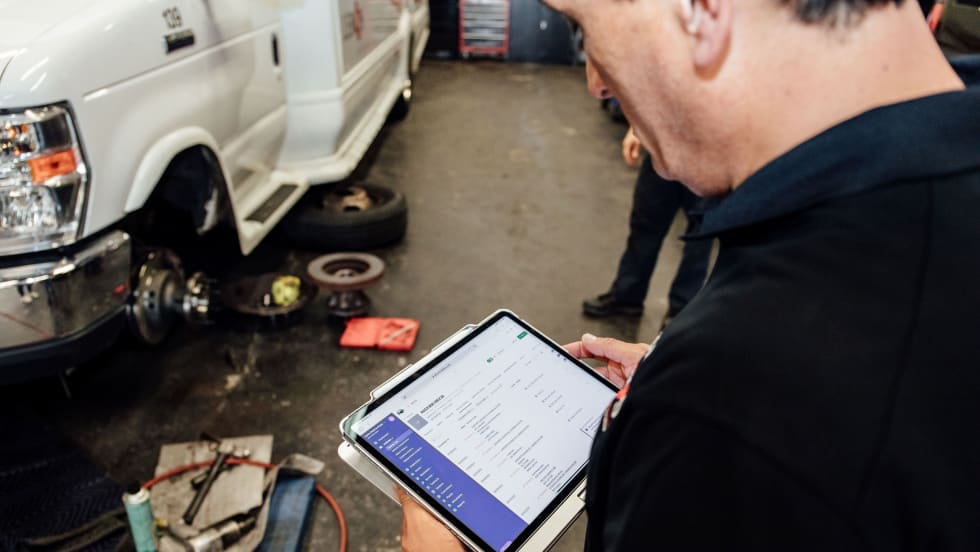
Reinventing Fleet Maintenance with Real-time Visibility and AI
Transit leaders need to know what needs fixing, where to look, who is responsible, when work is completed, and what it costs without having to chase information across disconnected systems.
Read More →
SamTrans Sets Priorities for Potential Connect Bay Area Revenue
The board-approved framework allocates future funding to maintaining service, rider improvements, equity initiatives, and infrastructure repairs.
Read More →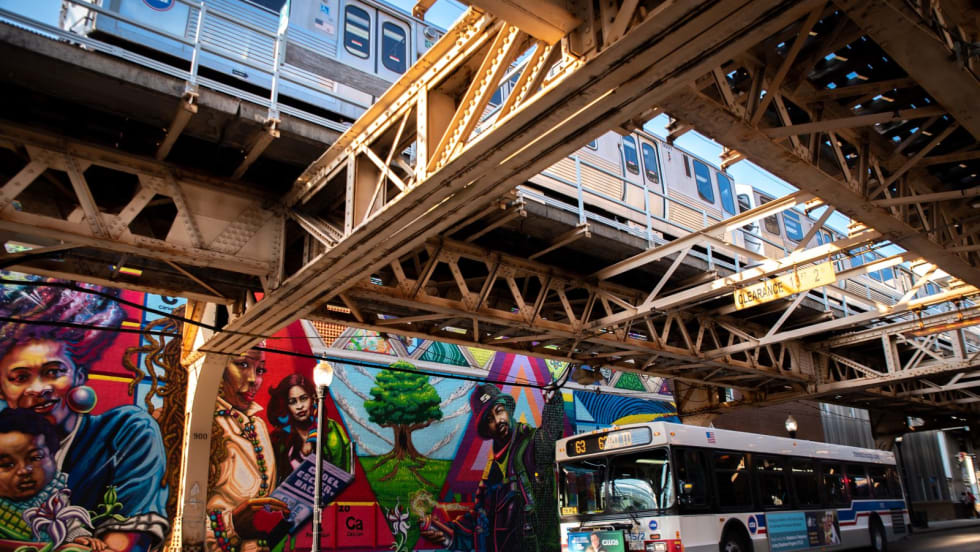
Chicago's NITA Act Moves Into Next Phase as Service Improvements Begin
Rider-focused improvements will begin rolling out across the system immediately as CTA, Metra, and Pace increase service this summer in the six-county region.
Read More →
A True Low-Floor Minibus Design Delivers Better Accessibility and Efficiency for Everyone
As transit demands evolve, so should your fleet. Download the whitepaper to see how the Low-Floor Frontrunner Minibus compares to traditional options.
Read More →
2026 METRO Buyer’s Guide & Directory
Searching for the right vehicles, technology, equipment, or services for your public transit or motorcoach operation? This industry guide brings together manufacturers and suppliers from across the transportation market — all in one place. Download it to connect with the companies that help agencies and operators improve mobility, enhance operations, and move their organizations forward.
Read More →
Rays the Mark Foundation to Honor CDTA’s Emily DeVito at October Fundraiser
Event at Chicago-area Ravisloe Country Club will support DeVito, a transit employee and mother of twins battling kidney failure and awaiting a transplant.
Read More →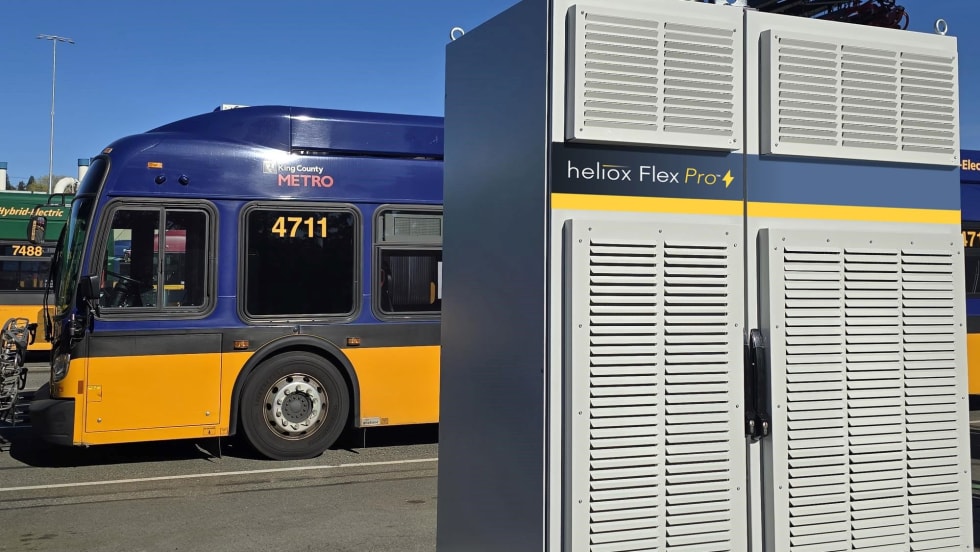
King County Test Heliox Chargers, Keolis Lands California Contract Top Biz Briefs
Stay informed with these quick takes on the projects and companies driving progress across the transportation landscape.
Read More →
Spare Expands AI-Native Operations Platform With Fixed-Route Capabilities
The launch marks a major milestone in Spare’s vision for unified transit operations.
Read More →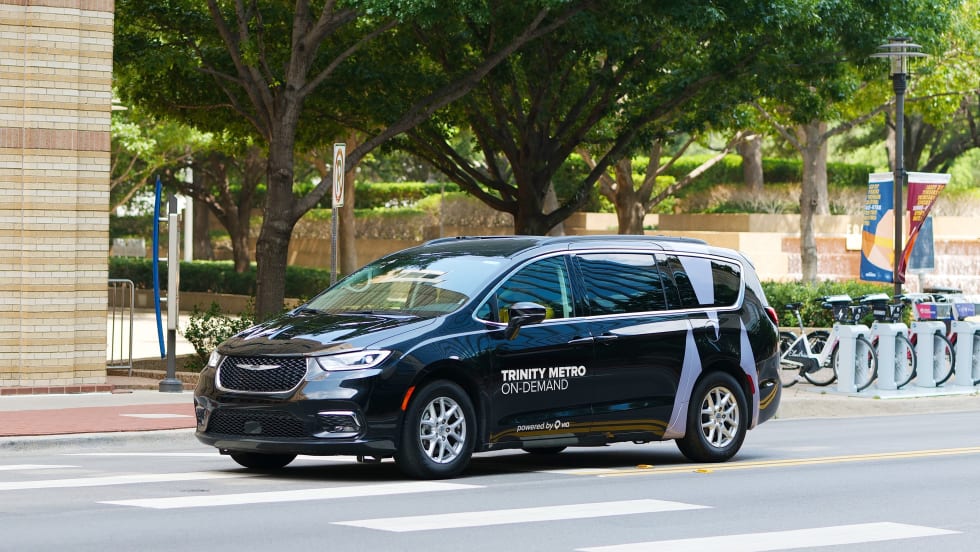
Via Announces Scheduling and Supply Studio
The Scheduling and Supply Studio provides the world’s first fully integrated platform for optimizing vehicle and driver availability to rider demand, said company officials.
Read More →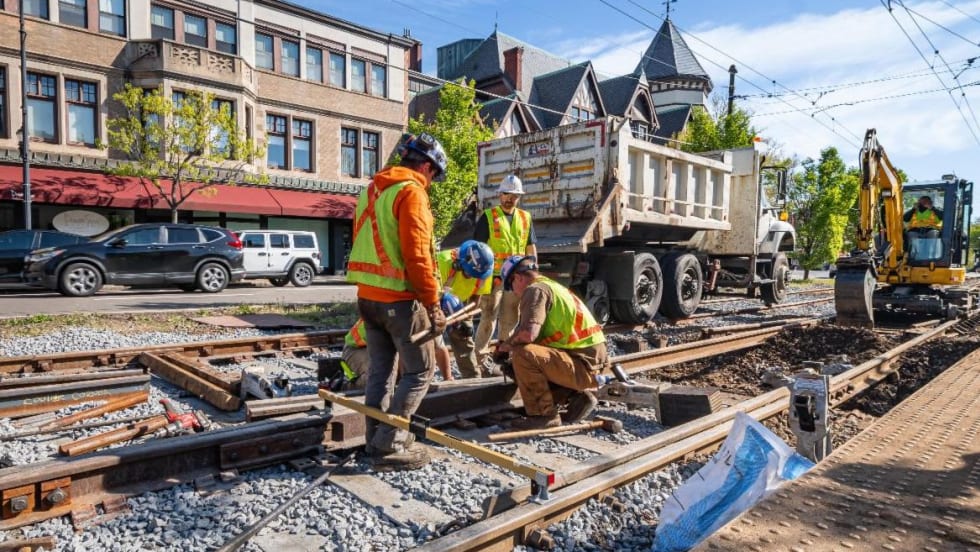
Boston's MBTA Completes Latest Green Line Work
The work took place during 12 consecutive days of shuttle bus service replacement between Kenmore and Cleveland Circle.
Read More →