



GM Survey: Recession Impacting Operations, Capital Programs
Fourth annual survey finds that one out of four respondents tabbed stimulus funds for operating assistance, while one-third plan to buy vehicles with the money. Meanwhile, the average GM salary is $156,605.

[IMAGE]SeptOct-GM-1.jpg[/IMAGE] IN THIS YEAR’S GENERAL MANAGER SURVEY, THE FOURTH conducted by METRO Magazine, we asked executives if state and local budgets were impacting their operations and capital programs, as well as how they plan on spending their stimulus funds, and what “green” practices and customer improvements they’ve implemented. Overall, 40 executives responded to this year’s survey. Their titles ranged from general manager to executive director to CEO to transit director. Of the respondents, one managed a Canadian system, while the rest manage systems in the U.S.
EXECUTIVE SALARIES
Most of the transit executives in our survey have carved out long-term careers in the industry, with an average of 25 years in public transportation. The longest tenure was 45 years; the shortest was just under a year. The average annual salary for transit executives in this year’s survey totaled $156,605. The lowest reported salary was $63,000; the highest was $266,000. The median was $157,000. Assessing salary against the size of the operational budget (see Figure 2, click on link below) showed a strong correlation. There was also a strong correlation between the amount of experience respondents had with their salaries (Figure 4, click on link below). Ties between fl eet size and salary were pretty predictable with a couple of exceptions (Figure 5, click on link below).
STIMULUS SPENDING
We asked transit executives how they would be spending their stimulus funding (Figure 6, click on link below). Nearly one-third (32 percent) of respondents plan on using the funding to pay for new vehicle purchases, while one out of four respondents are using the money for operations. A majority (43 percent) have tabbed the funding to pay for “other” items, which included: railcar rehabilitation, rail station upgrades, installation of security fencing and video surveillance, improving accessibility at bus stops and purchasing bus shelters. Nearly three out of four survey respondents believe that their local newspaper gives them fair coverage, while only a minimal number (6 percent) felt that media coverage was unfair. When asked about workforce diversity, a majority of transit executives (79 percent) said it wasn’t an issue at their operation.
FUNDING AND OTHER CHALLENGES
Four out of fi ve respondents said state and local budgets were impacting their service operation and capital programs (Figure 7, click on link below). Many listed fare hikes and service cuts as the unfortunate result of the budget cuts. Others cited delays in capital projects due to the shortfalls. “The use of stimulus funds has allowed us to not make signifi cant cuts in service for the next two years. After that, we will be in trouble,” said one respondent. While funding registered as the main issue plaguing transit systems throughout the survey, we asked executives what other challenges came to mind (Figure 9, click on link below). Important issues cited include: responding to the need for more service; hiring and retaining qualifi ed maintenance technicians; costs of labor and benefi ts; and implementing new fare collection systems.
GOING GREEN, HIGH TECH
We addressed the issue of sustainability and asked respondents how they were going green (Figure 10, click on link below). Making fl eets cleaner by switching to alternative fuels, such as CNG or hybrid- electric, was listed by several executives. Many respondents reported on their extensive recycling programs. We also asked about customer service improvements that agencies undertook in the last year. Revamping Websites and offering
To view the full story, click here.
More Bus
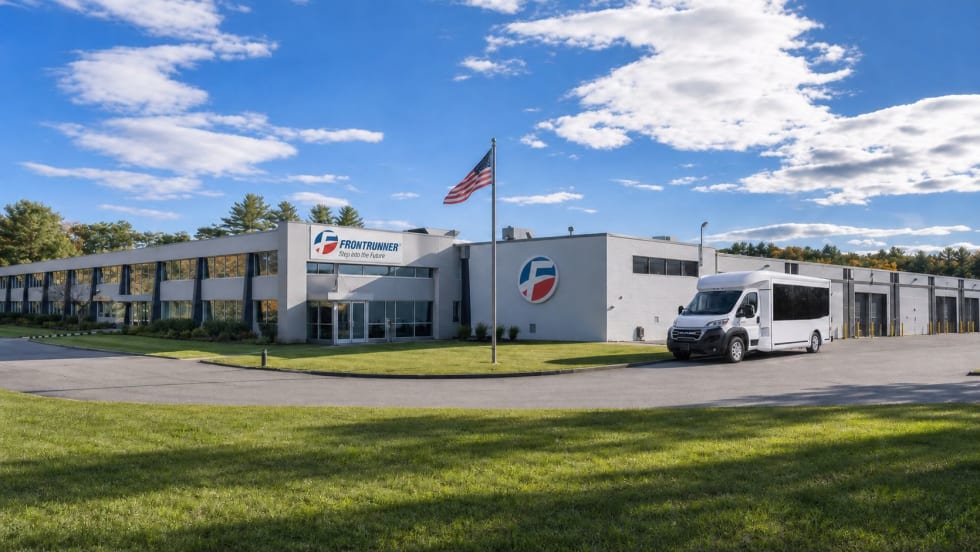
Frontrunner Bus Group Expands with New Massachusetts Headquarters
The significantly larger facility will provide the infrastructure needed to support the company’s growing workforce, advanced technologies, and expanding product line.
Read More →
Joshua Schank on Transportation Innovation, Risk, and the Future of Mobility
In this edition of METROspectives, Joshua Schank discusses lessons from launching LA Metro’s Office of Extraordinary Innovation, the challenges of advancing new mobility technologies, and much more.
Read More →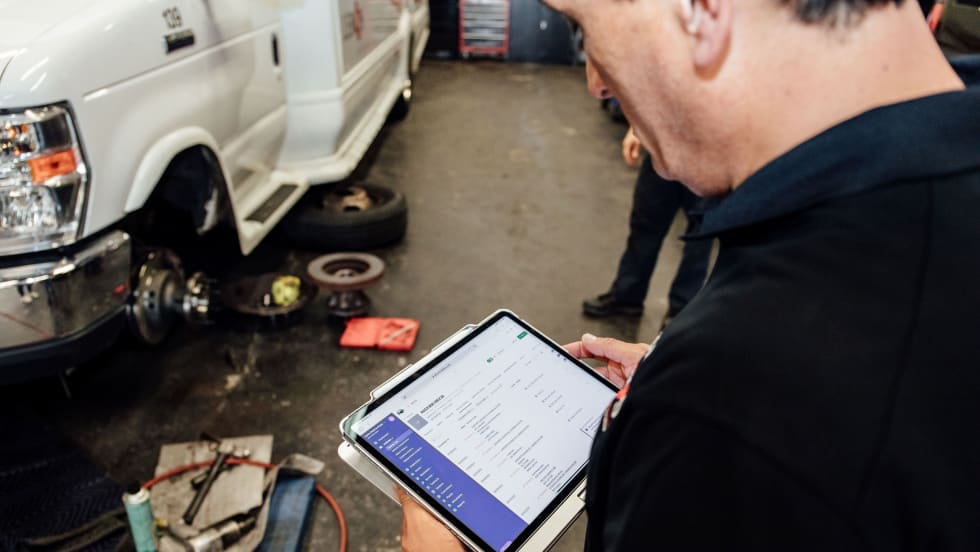
Reinventing Fleet Maintenance with Real-time Visibility and AI
Transit leaders need to know what needs fixing, where to look, who is responsible, when work is completed, and what it costs without having to chase information across disconnected systems.
Read More →
SamTrans Sets Priorities for Potential Connect Bay Area Revenue
The board-approved framework allocates future funding to maintaining service, rider improvements, equity initiatives, and infrastructure repairs.
Read More →
When Routine Fails: How Public Transit Must Adapt for the World Cup
The 2026 FIFA World Cup will test transit agencies’ ability to manage unpredictable travel patterns, making real-time data and operational flexibility critical to moving millions of visitors efficiently.
Read More →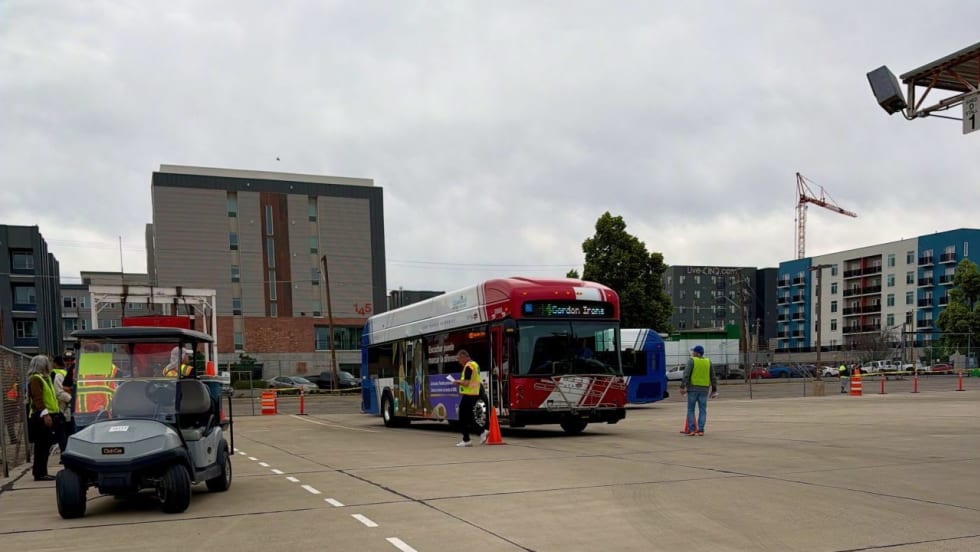
Photo Highlights from APTA's 2026 Mobility Conference
The photo gallery captures scenes from the conference, including the International Bus Roadeo, exhibit hall activities, the Bus Showcase, and much more.
Read More →
Chicago's NITA Act Moves Into Next Phase as Service Improvements Begin
Rider-focused improvements will begin rolling out across the system immediately as CTA, Metra, and Pace increase service this summer in the six-county region.
Read More →
Philadelphia's SEPTA Approves Annual Transit Service Plan
Between 2021 and 2024, SEPTA held more than 200 public meetings — including 144 in-person sessions — throughout the SEPTA service region.
Read More →
A True Low-Floor Minibus Design Delivers Better Accessibility and Efficiency for Everyone
As transit demands evolve, so should your fleet. Download the whitepaper to see how the Low-Floor Frontrunner Minibus compares to traditional options.
Read More →
WMATA Debuts 'Fares Pay for Service' Awareness Campaign
The campaign was highlighted during a media event at the Paul S. Sarbanes Transit Center in Silver Spring, where WMATA’s GM/CEO Randy Clarke joined Metro Transit Police officers, WMATA management team, board members, and staff to expand fare enforcement and customer education efforts on Metro Bus routes throughout the region.
Read More →