



How to Maximize Your Motorcoach Insurance Options
Ongoing research, communication and safety are crucial to finding and maintaining a sound insurance policy. Many coach operators are also taking on more risk and control with captive insurance.

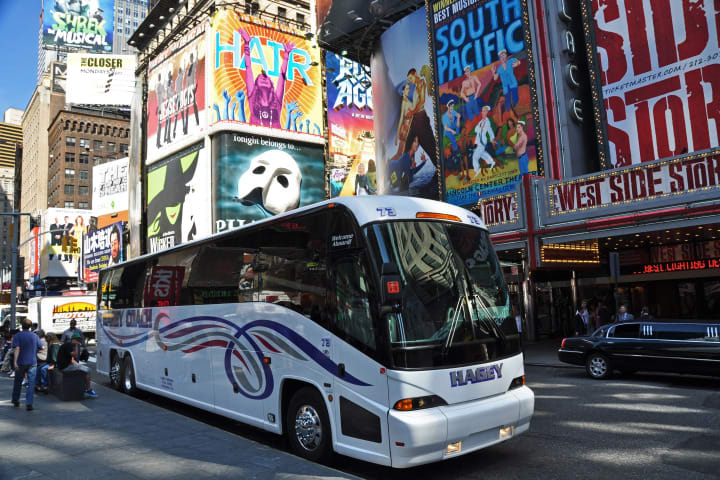
[IMAGE]MET11risk-.jpg[/IMAGE]Motorcoach carriers looking to purchase or change insurance policies contend with several factors, and the process can seem complicated and costly. METRO Magazine spoke with industry experts to get some tips on what to consider and how to ensure you get the best coverage for your company.
First off, look into the several insurance companies that specialize in offering passenger transportation insurance, including Lancer Insurance, Shriver Insurance Agency, Transportation Insurance Brokers, and National Interstate Insurance Co., just to name a few. Because these companies offer products tailored to transportation, including driver safety training, it is a plus to seek them out when conducting your search.
Francis Walsh, vice president/senior underwriter, Lancer Insurance, says that the importance of "having an experienced insurance company familiar with handling passenger transportation claims cannot be overstated. Your customers are your livelihood, so how they are treated in the event of a claim is as important as anything your insurance company will do for you." He also points out that the more risk an operator can afford to take through liability and physical damage deductibles, the more premium savings they will see.
Relationship, safety culture key
Other factors to keep in mind when researching insurance benefits and costs are the needs and assets of your operation and how these will affect your policy.
The International Motorcoach Group (IMG) is comprised of more than 57 motorcoach tour and charter operators in North America. Its members vary in size and insurance needs. Steve Klika, president, says that coach operators need to understand that establishing a relationship with your insurance carrier is vital. "If I were to give some advice...when buying insurance, look at [it] not only on a short-term basis, but on a long-term basis. Take a look at the relationship [you're] going into." He contrasts the experience with buying home or auto insurance. "Don't look at it for just year-to-year, because the insurance company is going to want to know your experience, so in case you do have a bad year, they're not just going to bail out on you. And at the same time, in some cases by having a long-term relationship, it's going to have a [positive] impact on your premiums year-to-year," he explains.
[PAGEBREAK]
Understanding coverage
Operators need to take the time to understand what the insurance carrier's looking for as they develop premiums and what they base the carrier's premiums and coverage on, including type of experience and operation, Klika adds. Less experience will translate to higher insurance costs and a potentially higher premium. Conversely, an established organization with a good safety record and training programs in place will be more competitive.
"They're going to take a look at your drivers' records, and they're going to want to see how you're operating, how you're preventing accidents," says Klika.
Klika and Walsh agree that safety features, including DriveCam and electronic data recorders help mitigate costs. Klika points out that anything helping to prevent accidents will be to a carrier's advantage, whether it's technology-based, or driver training programs; the ongoing safety culture of the company is closely examined. Electronic Data Recorders (EDRs ) are favored by underwriters, because they help keep loss costs down, which in turn, [has] an effect on premiums, adds Walsh.
Many insurance companies, like Long Beach, N.Y.-based Lancer Insurance, offer safety training to motorcoach operators. Lancer introduced their first free and exclusive driver training video tapes in 1989. "Twenty years later, we have more than 20 different driver and management training video tapes streaming on our website and available exclusively to our policyholders, 24/7. DVD and VHS versions are available as well," Walsh says. Motorcoach customers receive weekly, monthly, and quarterly newsletters and e-newsletters addressing a variety of safety, loss prevention and risk management topics. "Driver safety awards, pins, company safety achievement plaques and customer loyalty awards are additional products available through our total service programs," he adds.
Importance of ratings
The Elmhurst, Ill.-based Shriver Insurance Agency handles more than 500 accounts, with motorcoach operators making up approximately 300. The company has insured motorcoaches for the past 40 years that they have been in business.
Vicki Carver, customer service representative, advises new operators to first call around for an idea of pricing before they buy. "Sometimes, they're sticker-shocked, and they'll buy and think they won't have to pay much. Then they find out how much the insurance is." Most insurance companies require a minimum of $5 million in coverage.
Carver also encourages operators to make sure they select an A-rated company. She recommends using A.M. Best, a full-service credit rating organization, providing ratings and analysis that help assess the creditworthiness and financial strength of risk-bearing entities and investment vehicles. (To visit the site, go to www.ambest.com) This global organization constantly monitors and updates ratings on companies, including insurance agencies. They also publish a new book annually, listing ratings. "They have to have [a certain amount of] financial assets, versus the liabilities, to make sure they're able to pay all the claims," Carver explains. The rating drops when the company has less ability to demonstrate this type of financial ability. "You don't want anything under a B."
More Motorcoach
Reinventing Fleet Maintenance with Real-time Visibility and AI
Transit leaders need to know what needs fixing, where to look, who is responsible, when work is completed, and what it costs without having to chase information across disconnected systems.
Read More →
ABA's Ferguson Testifies in Support of BUS Act, National Standards for Bus Operators
The BUSES Act would create a nationwide framework preventing state and local governments from enforcing bus idling restrictions of less than 15 minutes, a threshold consistent with existing Environmental Protection Agency guidance.
Read More →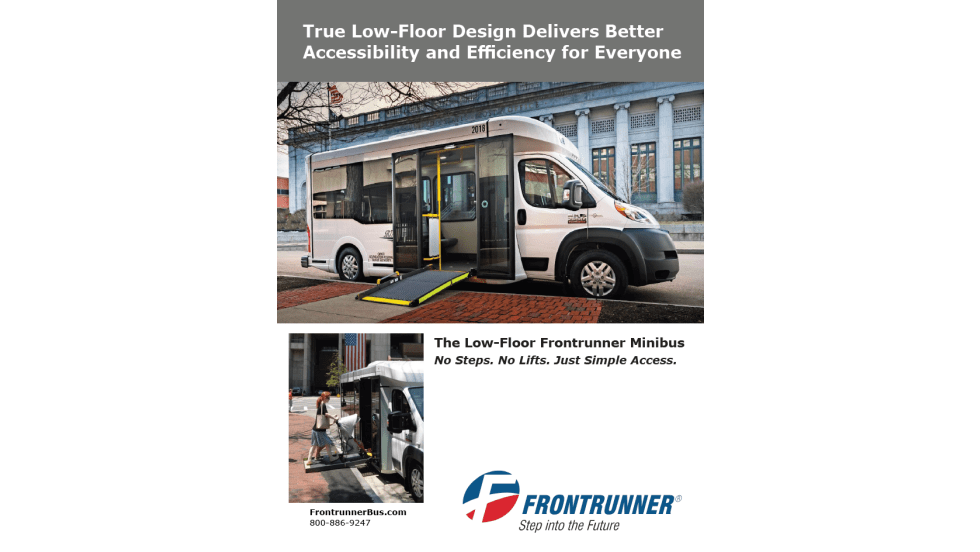
A True Low-Floor Minibus Design Delivers Better Accessibility and Efficiency for Everyone
As transit demands evolve, so should your fleet. Download the whitepaper to see how the Low-Floor Frontrunner Minibus compares to traditional options.
Read More →
2026 METRO Buyer’s Guide & Directory
Searching for the right vehicles, technology, equipment, or services for your public transit or motorcoach operation? This industry guide brings together manufacturers and suppliers from across the transportation market — all in one place. Download it to connect with the companies that help agencies and operators improve mobility, enhance operations, and move their organizations forward.
Read More →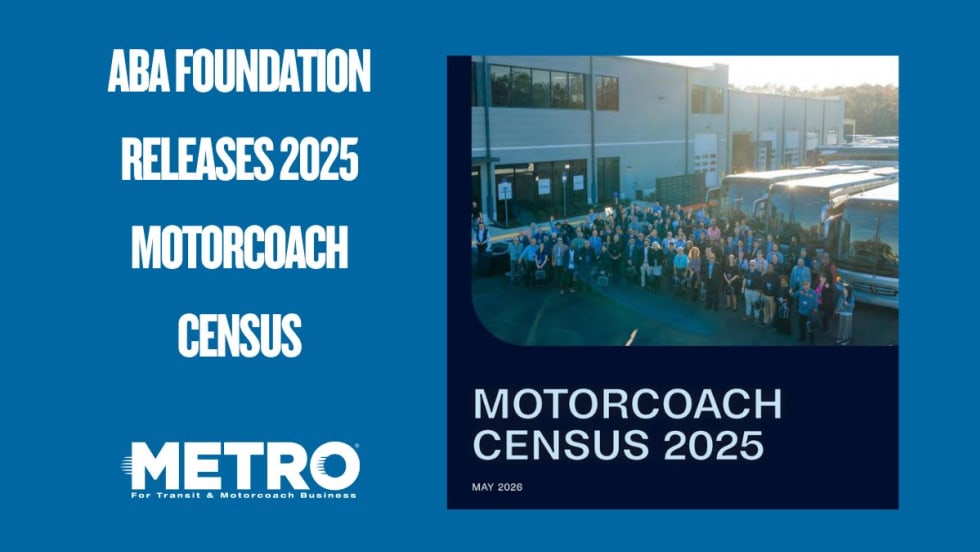
ABA Foundation’s 2025 Motorcoach Census Highlights Industry Growth, 77K Jobs
Conducted annually by Tourism Economics, the study found that 1,769 companies operating 49,543 motorcoaches are based in the US, while 122 companies operating 1,425 motorcoaches are located in Canada.
Read More →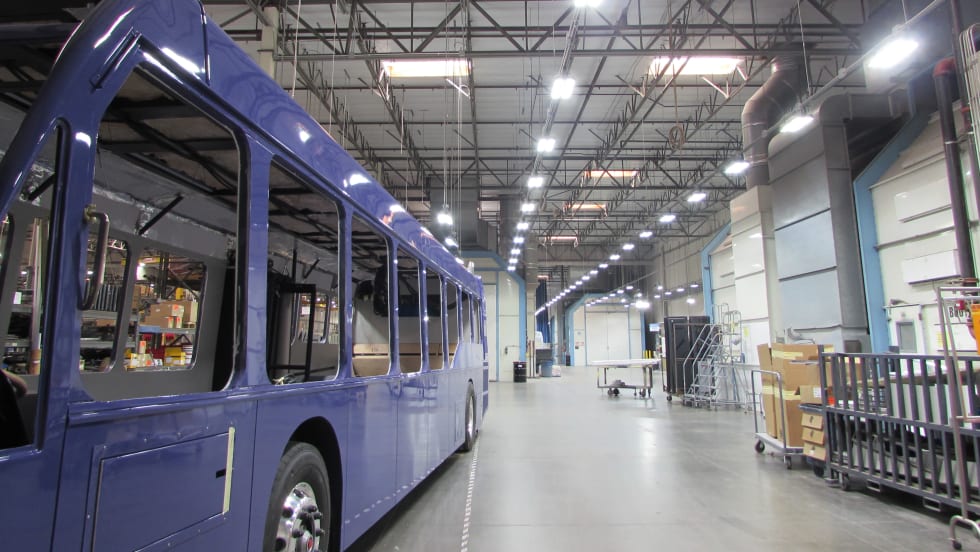
ENC Lands Additional 10-Bus Order From Academy Bus
The latest purchase brings Academy Bus’ AXESS fleet orders to 35 vehicles as ENC continues expanding its heavy-duty transit lineup.
Read More →
American Bus Association Files Lawsuit Against NYC Over Bus Idling Rules
The lawsuit, filed in the U.S. District Court for the Southern District of New York, challenges the City’s use of its Citizens Air Complaint program.
Read More →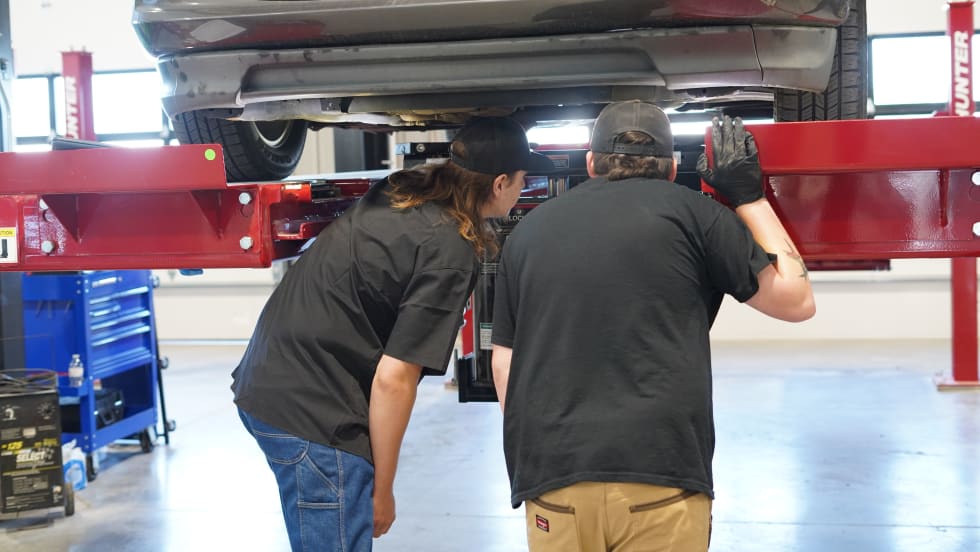
Avoiding Mid-Season Breakdowns: A Fleet Readiness Q&A
John Hatman, COO of Master’s Transportation, breaks down the priorities, warning signs and common mistakes fleet managers should address now to stay ahead of summer demand.
Read More →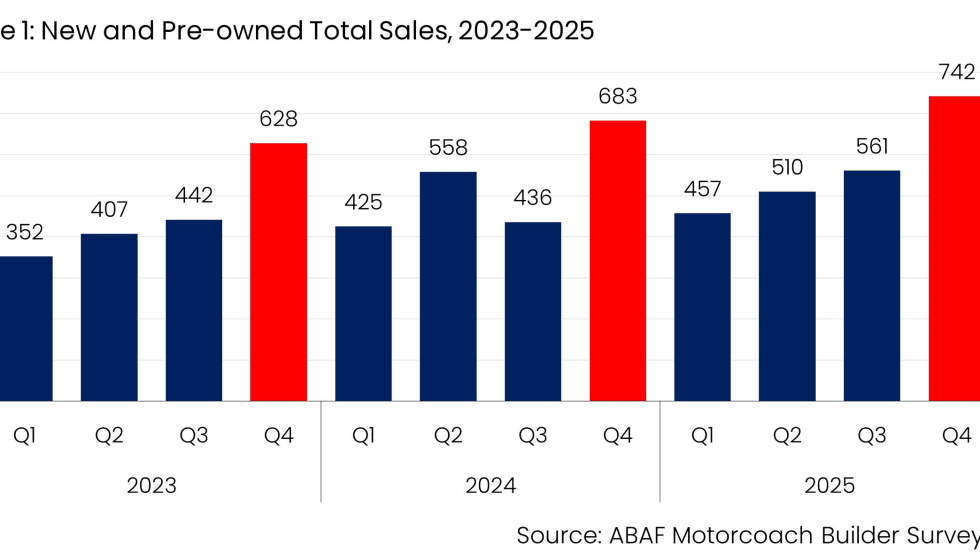
ABA Report: Motorcoach Sales Tick Up in Q1 2026 as Market Stabilizes
The Foundation produces the report each quarter, using data collected from surveys of major motorcoach manufacturers that sell vehicles in the US and Canada.
Read More →
How the Motorcoach Industry Supports Disaster Response and National Preparedness
Fred Ferguson, president and CEO of the American Bus Association (ABA), discussed how the industry prepares for emergencies, the growing recognition of motorcoaches as critical infrastructure, and steps operators can take to strengthen disaster readiness.
Read More →