



Mississauga rebrands transit system, focuses on growing ridership
A new citywide strategic plan is playing a major role in changes being made at the Ontario-based Mississauga Transit. The transit system is rebranding its services, and adding a BRT line and 15 new hybrid vehicles to its fleet.
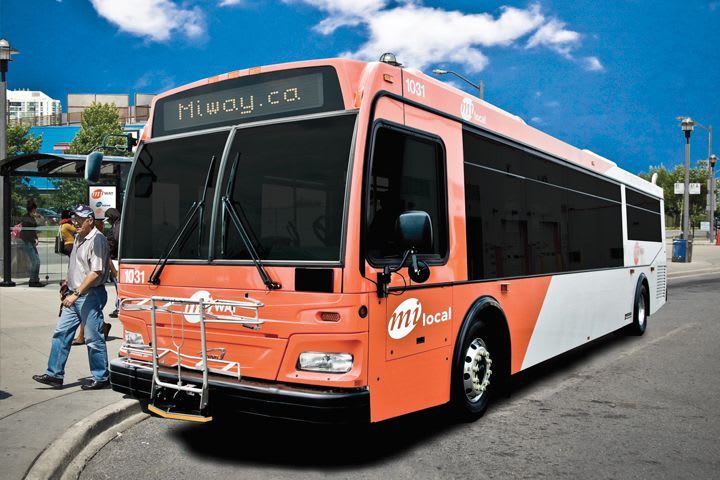
As part of the rebranding, MiWay procured 15 Orion VII hybrid buses from Daimler Buses North America, equipped with BAE hybrid propulsion systems, which were delivered between August and September.
[IMAGE]Miss-10.jpg[/IMAGE]A new citywide strategic plan is playing a major role in changes being made at the Ontario-based Mississauga Transit. The transit system is rebranding its services, and adding a bus rapid transit (BRT) line and 15 new hybrid vehicles to its fleet.
The changes began when the city decided it wanted to begin "Developing a Transit-Oriented City" as part of its five "Strategic Pillars for Change."
"The vision of this pillar is that the future Mississauga is a city where people can get around without an automobile and where transit will directly influence and shape the form of the city," said Geoff Wright, director, transportation project office.
Transit service changes were implemented with three objectives in mind: To influence a modal shift to transit, specifically by attracting the choice rider; for transit to support land use, intensification and the development of a transit-oriented city; and to establish a framework to support the development of a rapid transit network.
The city also changed the name of its transportation system from Mississauga Transit to MiWay this past August.
Beginning Oct. 4, customers will be able to choose between two types of the newly rebranded MiWay service — MiExpress (blue) buses that will operate on five limited-stop express routes and MiLocal (orange) buses, which will operate on local and school routes. "The new brand represents a customer-focused approach to grow ridership and is the beginning of an ongoing journey to enhance the value of service being delivered to our existing customers and to earn the business of new riders," Wright explained.
As part of the rebranding, MiWay procured 15 Orion VII hybrid buses from Daimler Buses North America, equipped with BAE hybrid propulsion systems, which were delivered between August and September.
"Discussion to purchase hybrid buses was influenced by a number of factors, including reduced emissions, increased fuel economy and reduced maintenance costs compared to conventionally powered buses," Wright said. "Passenger comfort is also expected to be enhanced on these buses by the quieter operation from the propulsion system."
A new MiWay Website — www.miway.ca — was also planned for launch in September, along with a version for mobile devices that displays the next three departure times or the full schedule for any day of the week, for any bus stop in Mississauga.
Scheduled to begin operation in 2013, the $249 million BRT project will create an 11-mile, dedicated east-west BRT corridor across Mississauga to be shared by Toronto's Go Transit, which will combine the use of a dedicated busway and Provincial Highway bus bypass shoulders and will see the construction of 11 new transit stations.
Meanwhile, the Hurontario/Main Street Light Rail Transit (LRT) Project, an 11-mile, north-south LRT corridor, is entering the preliminary design and environmental assessment stage.
A continuing communication and education campaign is needed to grow ridership among two distinct and equally important audiences, Wright explained. The first consists of existing riders, which includes business commuters and students. The second audience comprises "choice riders," such as those traveling in their vehicles to work or school during peak traffic hours.
"In many cases, choice riders are considering the purchase of a second vehicle," Wright explained. "The ongoing communication and education campaign will present a compelling proposal to encourage the transit choice as a smart, reliable and convenient transportation option."
The campaign will continue over the next three years, as service improvements are introduced and as the BRT system opening approaches. The campaign is expected to achieve an 80 percent penetration rate among all Mississauga residents in its first year.
More Bus
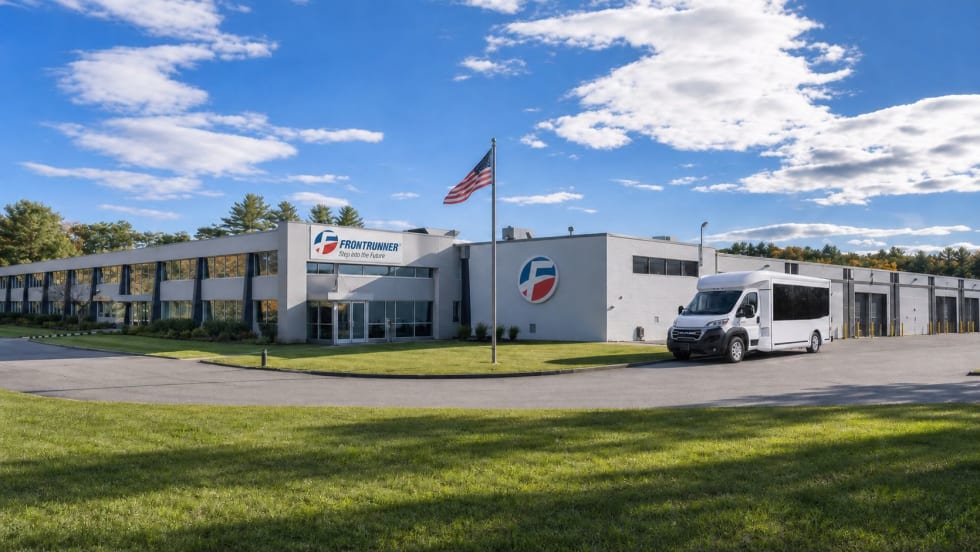
Frontrunner Bus Group Expands with New Massachusetts Headquarters
The significantly larger facility will provide the infrastructure needed to support the company’s growing workforce, advanced technologies, and expanding product line.
Read More →
Joshua Schank on Transportation Innovation, Risk, and the Future of Mobility
In this edition of METROspectives, Joshua Schank discusses lessons from launching LA Metro’s Office of Extraordinary Innovation, the challenges of advancing new mobility technologies, and much more.
Read More →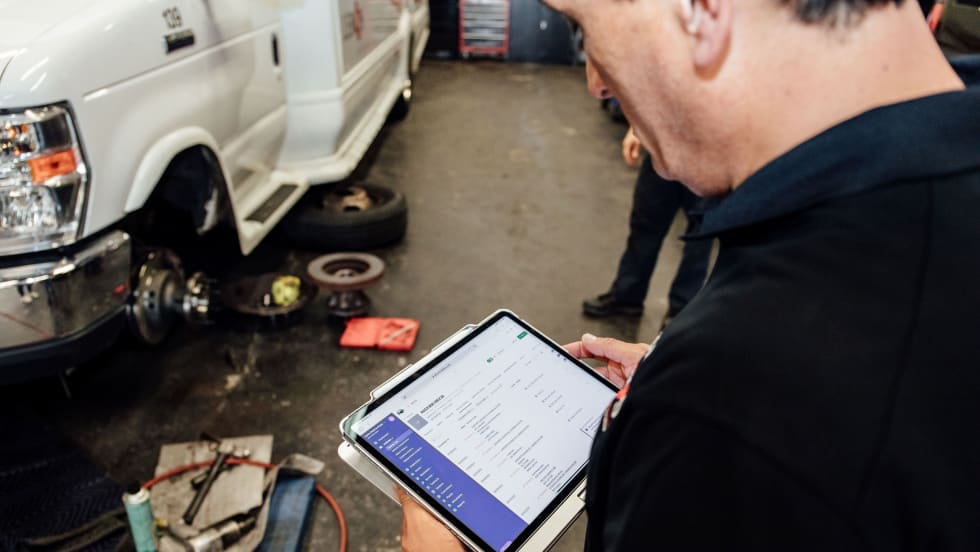
Reinventing Fleet Maintenance with Real-time Visibility and AI
Transit leaders need to know what needs fixing, where to look, who is responsible, when work is completed, and what it costs without having to chase information across disconnected systems.
Read More →
SamTrans Sets Priorities for Potential Connect Bay Area Revenue
The board-approved framework allocates future funding to maintaining service, rider improvements, equity initiatives, and infrastructure repairs.
Read More →
When Routine Fails: How Public Transit Must Adapt for the World Cup
The 2026 FIFA World Cup will test transit agencies’ ability to manage unpredictable travel patterns, making real-time data and operational flexibility critical to moving millions of visitors efficiently.
Read More →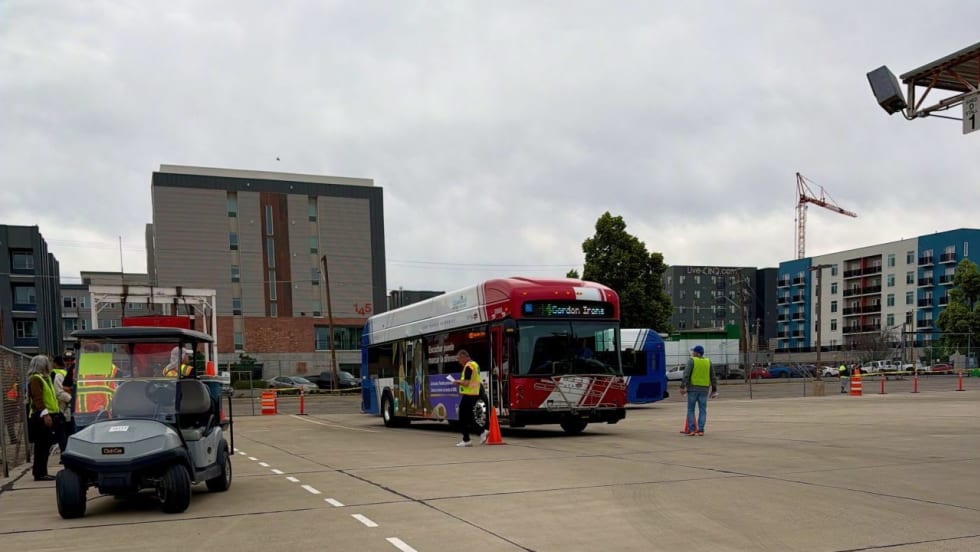
Photo Highlights from APTA's 2026 Mobility Conference
The photo gallery captures scenes from the conference, including the International Bus Roadeo, exhibit hall activities, the Bus Showcase, and much more.
Read More →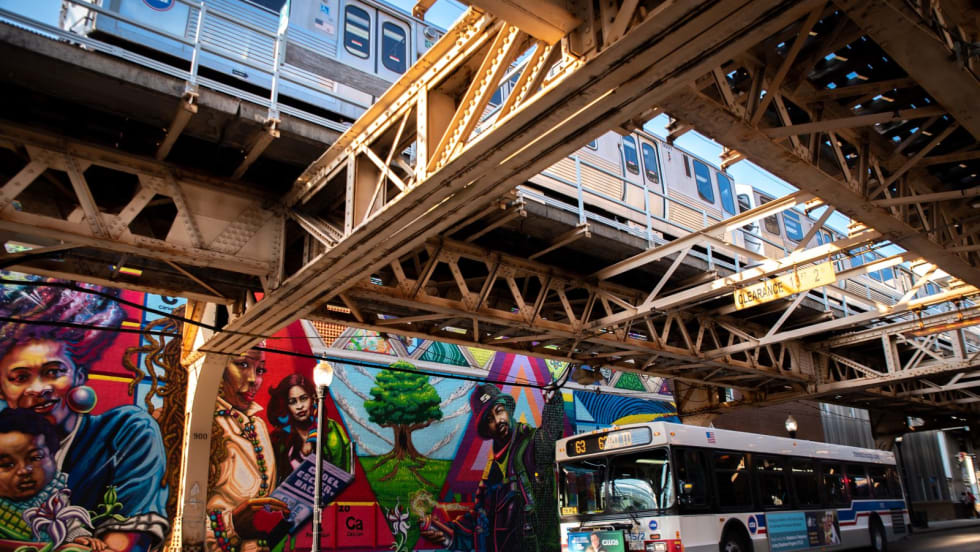
Chicago's NITA Act Moves Into Next Phase as Service Improvements Begin
Rider-focused improvements will begin rolling out across the system immediately as CTA, Metra, and Pace increase service this summer in the six-county region.
Read More →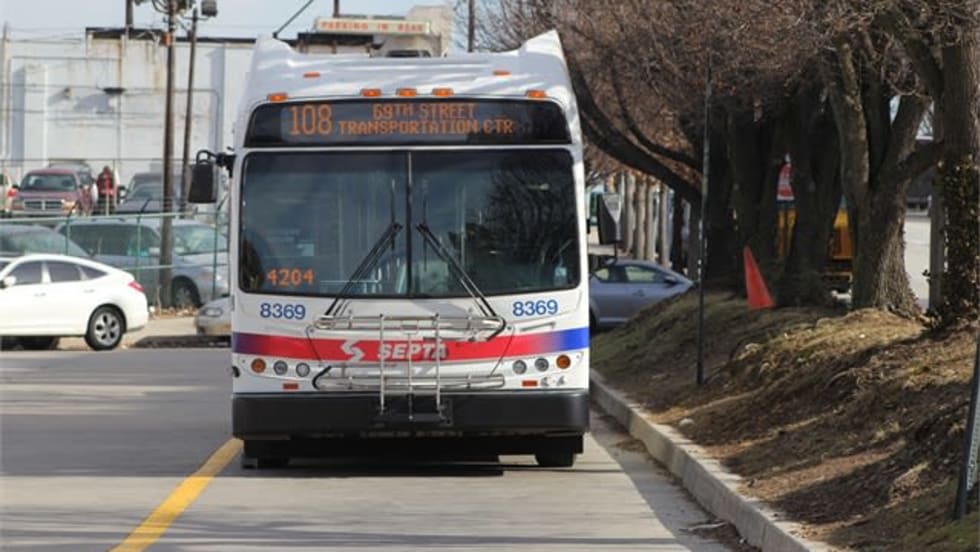
Philadelphia's SEPTA Approves Annual Transit Service Plan
Between 2021 and 2024, SEPTA held more than 200 public meetings — including 144 in-person sessions — throughout the SEPTA service region.
Read More →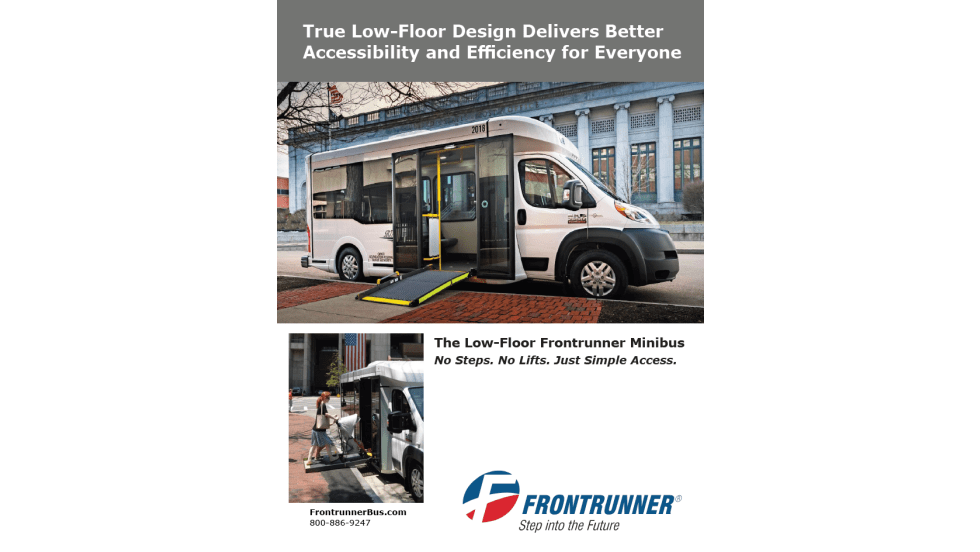
A True Low-Floor Minibus Design Delivers Better Accessibility and Efficiency for Everyone
As transit demands evolve, so should your fleet. Download the whitepaper to see how the Low-Floor Frontrunner Minibus compares to traditional options.
Read More →
WMATA Debuts 'Fares Pay for Service' Awareness Campaign
The campaign was highlighted during a media event at the Paul S. Sarbanes Transit Center in Silver Spring, where WMATA’s GM/CEO Randy Clarke joined Metro Transit Police officers, WMATA management team, board members, and staff to expand fare enforcement and customer education efforts on Metro Bus routes throughout the region.
Read More →