



Women In Transportation Profile: Sandy Modell
Title: General Manager Organization: Alexandria Transit Company City: Alexandria, Va.
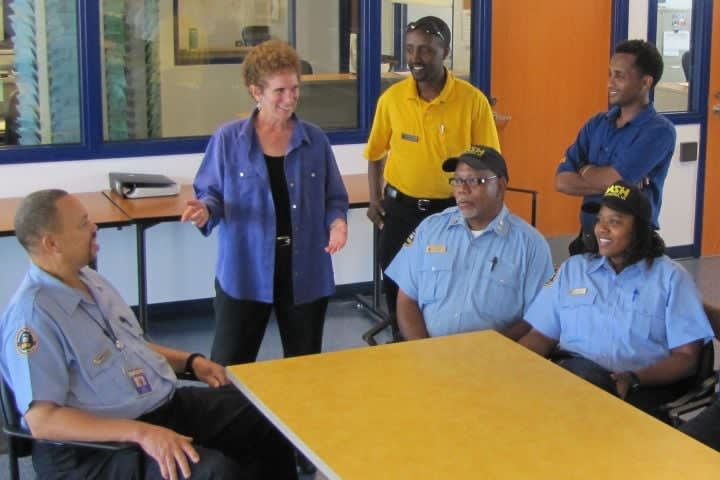
Among her greatest accomplishments at DASH, Modell counts the cultivation of a supportive work environment, which made Alexandria's DASH system one of METRO Magazine's Top 10 Transit Systems to Work For in 2008. Modell calls the way DASH treats its customers and employees the "DASH Difference."

While an undergraduate at James Madison University, Sandy Modell stumbled across a "help wanted" ad for bus drivers. At the time, Modell was planning to pursue a career in teaching or a recreational field, but a year of driving buses, transit, paratransit and taxis part-time in Harrisonburg, Va., changed her mind.
"I loved what I was doing so much," Modell says. "I just really enjoyed driving. I enjoyed working with people and the customers so much that I decided when I graduated, I would stay on with the agency."
Stay on she did. Following college, Modell worked her way up in the City of Harrisonburg Transportation Department, eventually becoming the department's first transit administrator. In 1984, she was offered a job by the City of Alexandria to help facilitate the creation of a new DASH system, since — at the time — the city had no transit operations experts on staff. In her new position, Modell worked on planning, marketing, fares and transfer policies with other local bus systems. Today, she is the Alexandria Transit Co.'s (DASH) GM.
When Modell first started, Alexandria's DASH system consisted of only 19 buses and 40 employees; ridership was hovering around 923,000 annually. Today, the system serves four million riders a year, and has a total of 63 buses and 140 employees.
"When I came here it was called 'the fledgling bus system.' They didn't know if it was going to make it or not because the system didn't have full support of the community or top officials," she explains. As overseer of such a new transit system, she faced a major hurdle in that the area was already served by a regional bus system, the Washington Metropolitan Area Transit Authority. "Basically, we had to prove ourselves. We had to prove to the community and to the city that we were worthy of the support and of being here," she says.
Today, DASH is recognized by the community in recent city surveys as one of Alexandria's top five services. Modell attributes this to DASH's high standards in maintenance and customer service, to which she has made some significant contributions.
"When I first came to DASH, wheelchair lifts hadn't really gotten under way yet," Modell says. "But, we decided early on — prior to the passage of the Americans with Disabilities Act — that our goal was to make DASH 100 percent wheelchair accessible, and I took on the project. We implemented the program with new buses. All our new buses had wheelchair lifts even though it was not required at that time."
Among her greatest accomplishments at DASH, Modell counts the cultivation of a supportive work environment, which made Alexandria's DASH system one of METRO Magazine's Top 10 Transit Systems to Work For in 2008. Modell calls the way DASH treats its customers and employees the "DASH Difference."
Modell is also responsible for the construction of Alexandria's new DASH maintenance, operations and administration building, — the $35 million William B. Hurd Transit Facility — which opened this year. According to Modell, the DASH staff was suffering from overcrowding in the old facility but, from the time she first had an idea for a new building to the time the facility was opened, 15 years had passed.
"Projects like these do not happen overnight. You have to build consensus, you have to be a strong negotiator, and you have to have perseverance and determination to make something like this happen," Modell says.
Modell's perseverance has paid off. Because of the new facility, the transit system is now poised for growth and expansion. She is now working to replace the system's oldest buses with hybrids, and she hopes that soon DASH will have a system-wide, real-time bus information system. She is focused on DASH's long-term plans to help meet Alexandria's transit needs.
More Bus
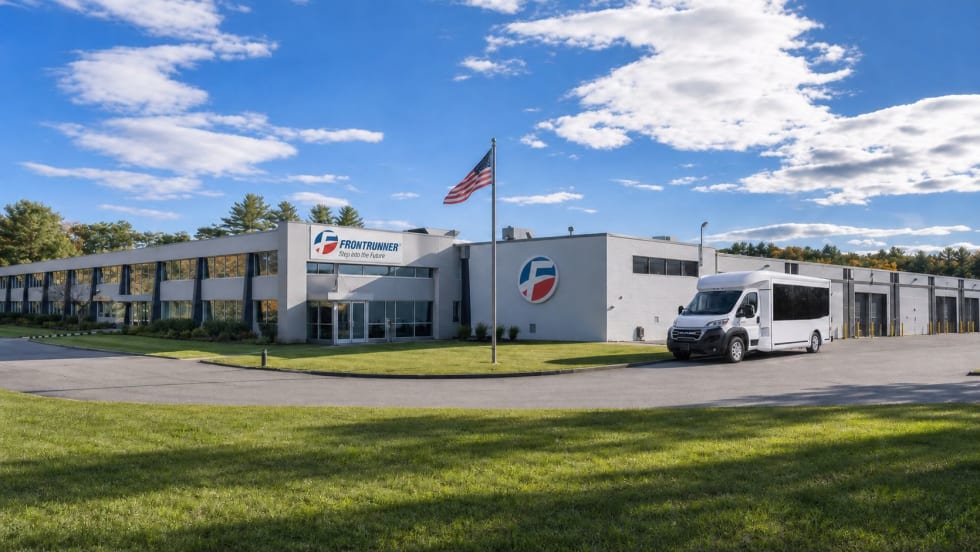
Frontrunner Bus Group Expands with New Massachusetts Headquarters
The significantly larger facility will provide the infrastructure needed to support the company’s growing workforce, advanced technologies, and expanding product line.
Read More →
Joshua Schank on Transportation Innovation, Risk, and the Future of Mobility
In this edition of METROspectives, Joshua Schank discusses lessons from launching LA Metro’s Office of Extraordinary Innovation, the challenges of advancing new mobility technologies, and much more.
Read More →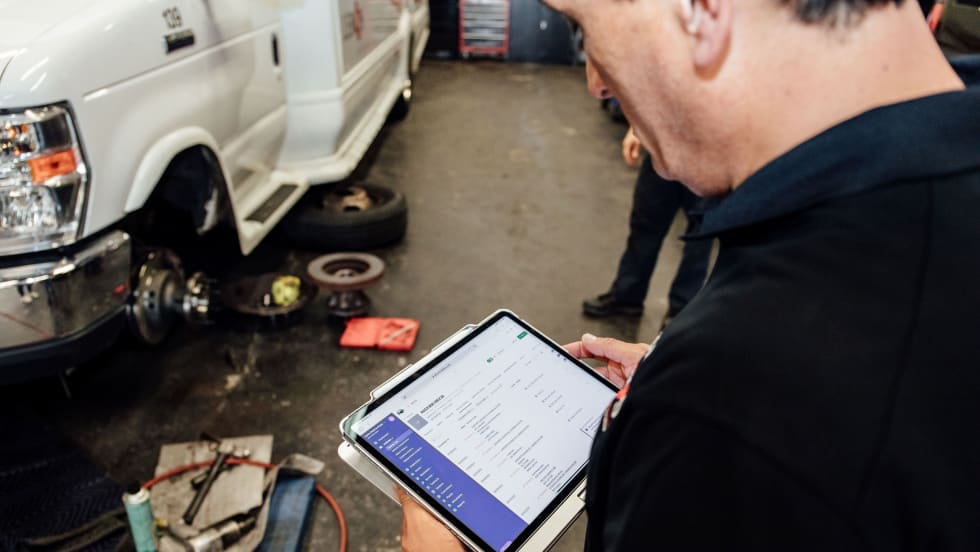
Reinventing Fleet Maintenance with Real-time Visibility and AI
Transit leaders need to know what needs fixing, where to look, who is responsible, when work is completed, and what it costs without having to chase information across disconnected systems.
Read More →
SamTrans Sets Priorities for Potential Connect Bay Area Revenue
The board-approved framework allocates future funding to maintaining service, rider improvements, equity initiatives, and infrastructure repairs.
Read More →
When Routine Fails: How Public Transit Must Adapt for the World Cup
The 2026 FIFA World Cup will test transit agencies’ ability to manage unpredictable travel patterns, making real-time data and operational flexibility critical to moving millions of visitors efficiently.
Read More →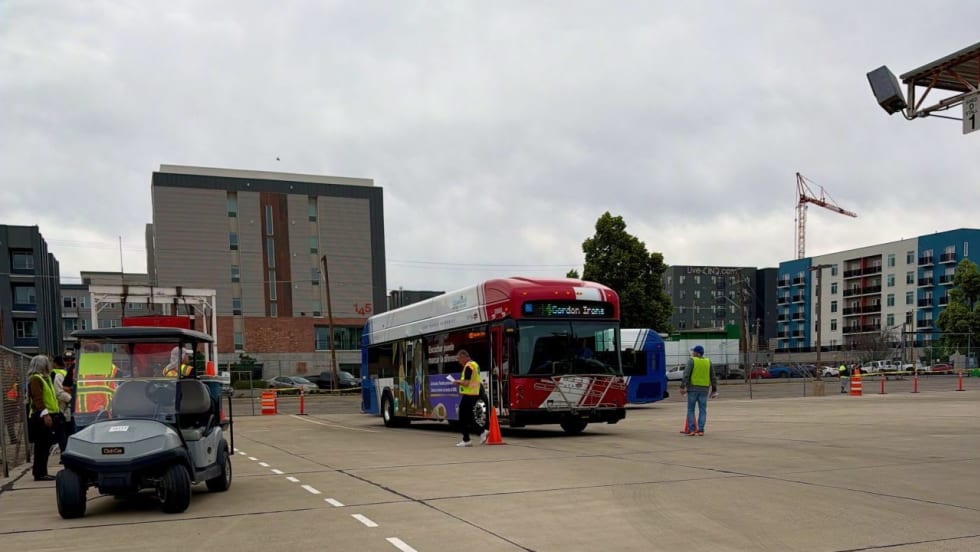
Photo Highlights from APTA's 2026 Mobility Conference
The photo gallery captures scenes from the conference, including the International Bus Roadeo, exhibit hall activities, the Bus Showcase, and much more.
Read More →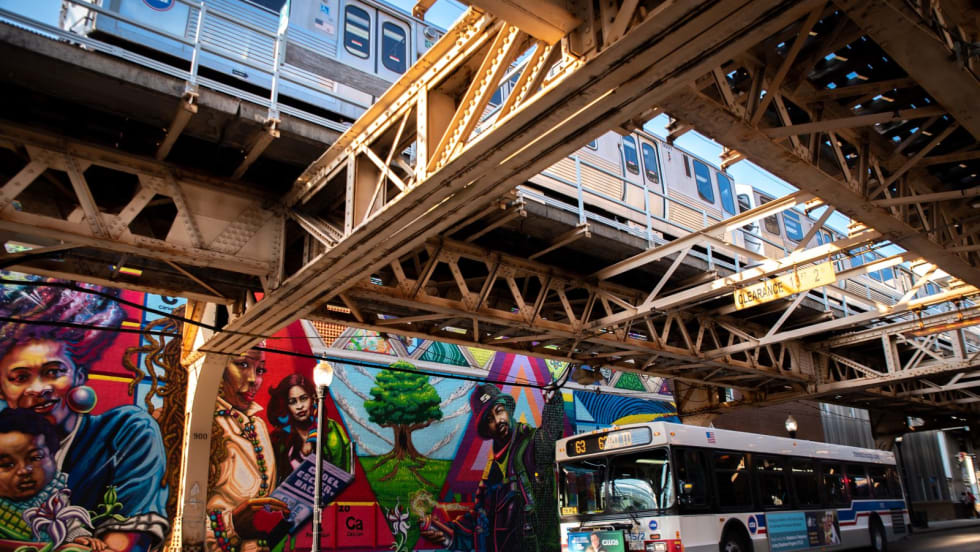
Chicago's NITA Act Moves Into Next Phase as Service Improvements Begin
Rider-focused improvements will begin rolling out across the system immediately as CTA, Metra, and Pace increase service this summer in the six-county region.
Read More →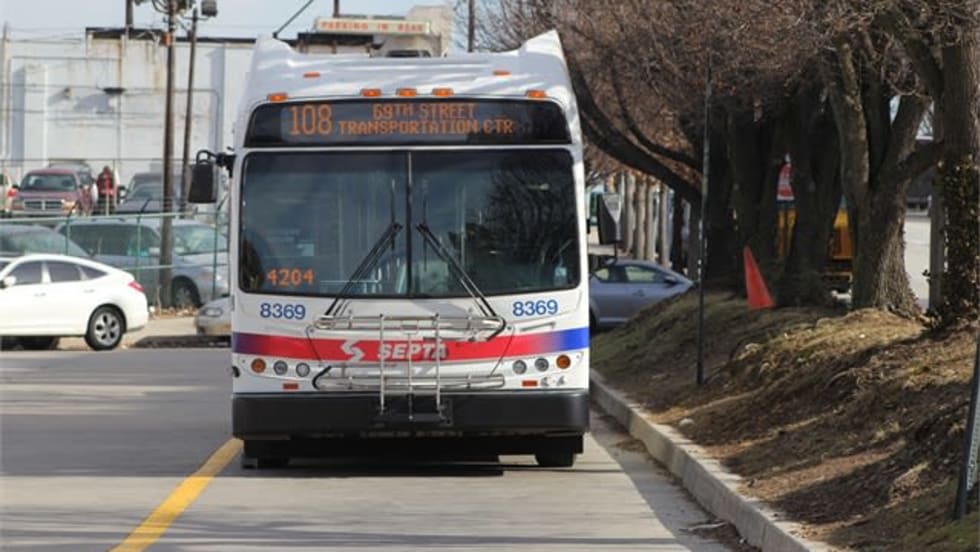
Philadelphia's SEPTA Approves Annual Transit Service Plan
Between 2021 and 2024, SEPTA held more than 200 public meetings — including 144 in-person sessions — throughout the SEPTA service region.
Read More →
A True Low-Floor Minibus Design Delivers Better Accessibility and Efficiency for Everyone
As transit demands evolve, so should your fleet. Download the whitepaper to see how the Low-Floor Frontrunner Minibus compares to traditional options.
Read More →
WMATA Debuts 'Fares Pay for Service' Awareness Campaign
The campaign was highlighted during a media event at the Paul S. Sarbanes Transit Center in Silver Spring, where WMATA’s GM/CEO Randy Clarke joined Metro Transit Police officers, WMATA management team, board members, and staff to expand fare enforcement and customer education efforts on Metro Bus routes throughout the region.
Read More →