



Why libertarians are wrong about federal transportation investment
The responsibility of government to enforce public rights of way and ensure a well functioning marketplace was not questioned in America's founding. One of President George Washington's first acts was to plan and design the National Road.
Newly installed House Transportation and Infrastructure Committee Chairman John Mica (R-Fla.) wants to report a new surface transportation authorization bill out of his committee this coming spring. The question is whether it will be a two-year law or a full six-year authorization, because neither the administration nor enough members of Congress have the stomach to propose a tax increase to fully fund a bill. So, any gap in a six-year measure would have to be funded by general revenues, which, in turn, likely means deficit spending or finding cuts elsewhere. Yet, there may be a more fundamental, troubling reason: Mica's own leadership may not believe that the federal government should play much of a role in transportation infrastructure other than maintaining existing highways.
The ideological opposition to federal transit spending, even when the U.S. Chamber of Commerce and the recent bipartisan commission on the deficit support gas tax increases to fund additional infrastructure investment, is deepening. It is often driven by those who fail to acknowledge the history of such spending. They deny even the nation's founders' beliefs about federal responsibility on this issue.
Assumptions ignore history
Many say, for example, that transit spending specifically — a few others even argue most forms of transportation investment — never was intended to be responsibilities of the federal government. They are wrong on a number of levels. Even from the time of Magna Carta, the national government, in those days, the crown, had an assumed right - some even assert a responsibility — to enforce public rights of way, either through forcing adjacent land owners to maintain them themselves or by projects funded from the treasury. This traditional responsibility was later expanded as the British parliament assumed responsibilities for such infrastructure investments. Adam Smith, in his seminal work, The Wealth of Nations, published in 1776, viewed infrastructure as a responsibility of government to ensure a well functioning marketplace.
This tradition was not even questioned in America's founding. Possibly because of his own background as a land surveyor, one of President George Washington's first acts in his first term was planning and designing the National Road, linking coastal ports with the expanding interior along the Ohio River valley.
President Abraham Lincoln, through federal land grants, helped to fund development of the transcontinental railroads. In the 20th Century, two major federal highway programs helped to create the extensive network of U.S. roads that are the envy of the world. President Franklin Roosevelt's New Deal funded many public transportation investments. Indeed, many Republicans said they opposed the 2009 stimulus package, in part, because there was too little infrastructure spending in the bill.
Where are the grown-ups?
Where are those leaders now? Our infrastructure needs are no less acute. Virtually every other government in the world, including conservative ones, preserved infrastructure investment, despite austerity programs undertaken by many. The new British government is a noteworthy example.
There is plenty of room for disagreement over how this responsibility should be undertaken. To suggest, however, government, particularly the federal government, is not responsible for addressing challenges that have national, interstate and, now, even international importance, is either ignorant or disingenuous.
Cliff Henke, a contributing editor to METRO, is senior analyst at PB. His views herein are solely his own.
More Bus

Frontrunner Bus Group Expands with New Massachusetts Headquarters
The significantly larger facility will provide the infrastructure needed to support the company’s growing workforce, advanced technologies, and expanding product line.
Read More →
Joshua Schank on Transportation Innovation, Risk, and the Future of Mobility
In this edition of METROspectives, Joshua Schank discusses lessons from launching LA Metro’s Office of Extraordinary Innovation, the challenges of advancing new mobility technologies, and much more.
Read More →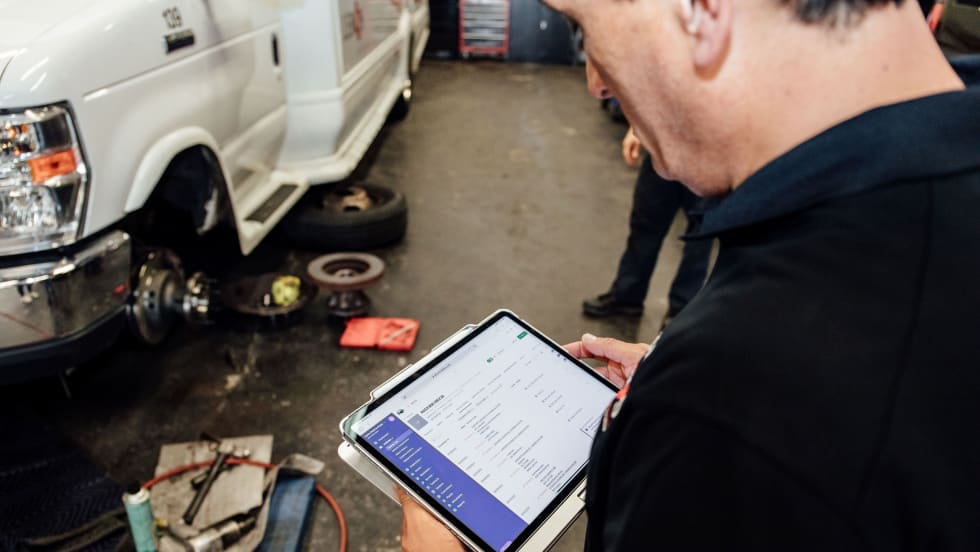
Reinventing Fleet Maintenance with Real-time Visibility and AI
Transit leaders need to know what needs fixing, where to look, who is responsible, when work is completed, and what it costs without having to chase information across disconnected systems.
Read More →
SamTrans Sets Priorities for Potential Connect Bay Area Revenue
The board-approved framework allocates future funding to maintaining service, rider improvements, equity initiatives, and infrastructure repairs.
Read More →
When Routine Fails: How Public Transit Must Adapt for the World Cup
The 2026 FIFA World Cup will test transit agencies’ ability to manage unpredictable travel patterns, making real-time data and operational flexibility critical to moving millions of visitors efficiently.
Read More →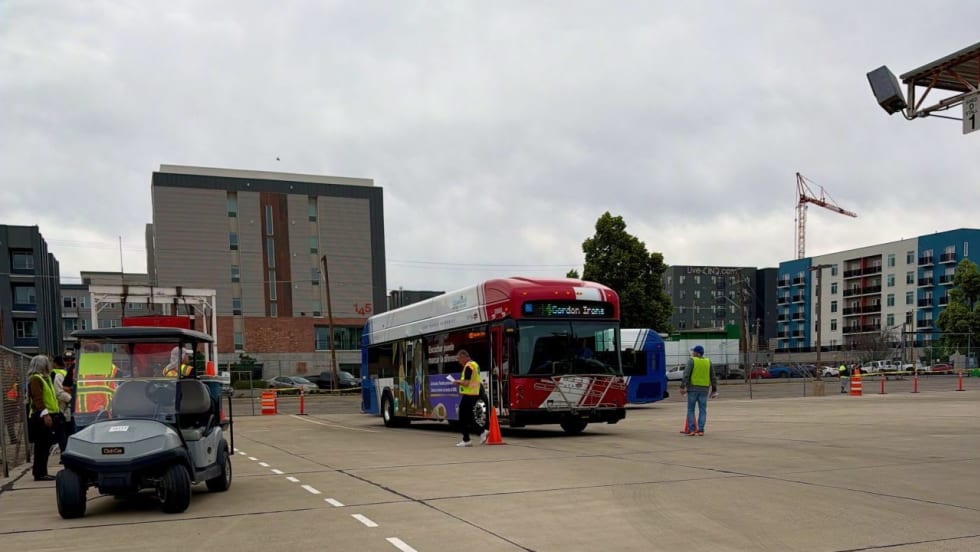
Photo Highlights from APTA's 2026 Mobility Conference
The photo gallery captures scenes from the conference, including the International Bus Roadeo, exhibit hall activities, the Bus Showcase, and much more.
Read More →
Chicago's NITA Act Moves Into Next Phase as Service Improvements Begin
Rider-focused improvements will begin rolling out across the system immediately as CTA, Metra, and Pace increase service this summer in the six-county region.
Read More →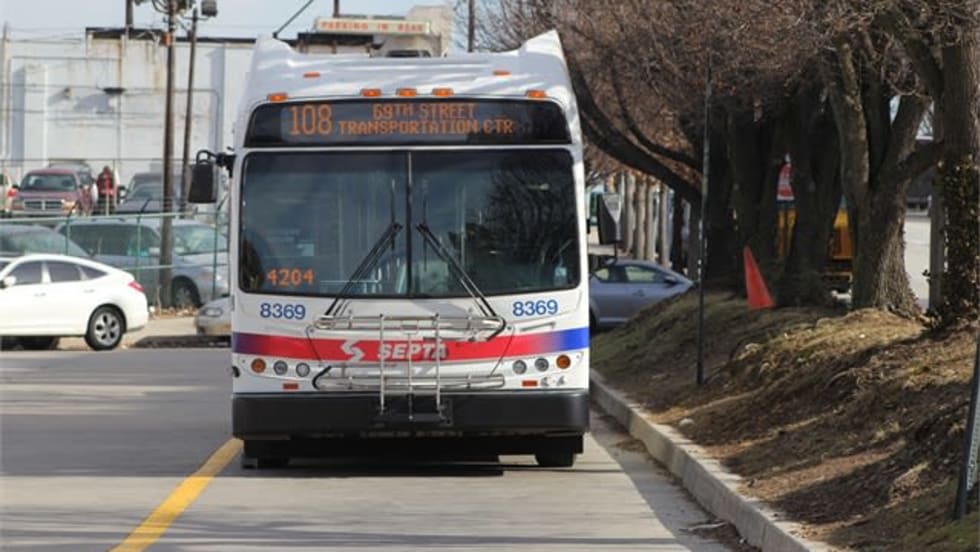
Philadelphia's SEPTA Approves Annual Transit Service Plan
Between 2021 and 2024, SEPTA held more than 200 public meetings — including 144 in-person sessions — throughout the SEPTA service region.
Read More →
A True Low-Floor Minibus Design Delivers Better Accessibility and Efficiency for Everyone
As transit demands evolve, so should your fleet. Download the whitepaper to see how the Low-Floor Frontrunner Minibus compares to traditional options.
Read More →
WMATA Debuts 'Fares Pay for Service' Awareness Campaign
The campaign was highlighted during a media event at the Paul S. Sarbanes Transit Center in Silver Spring, where WMATA’s GM/CEO Randy Clarke joined Metro Transit Police officers, WMATA management team, board members, and staff to expand fare enforcement and customer education efforts on Metro Bus routes throughout the region.
Read More →