



‘Differently-abled’ riders require alternative travel training levels
Terry Moakley is past-president of the Association of Travel Instruction, www.travelinstruction.org. He is also a member of the United Spinal Association’s board of directors and currently chairs its VetsFirst Committee.
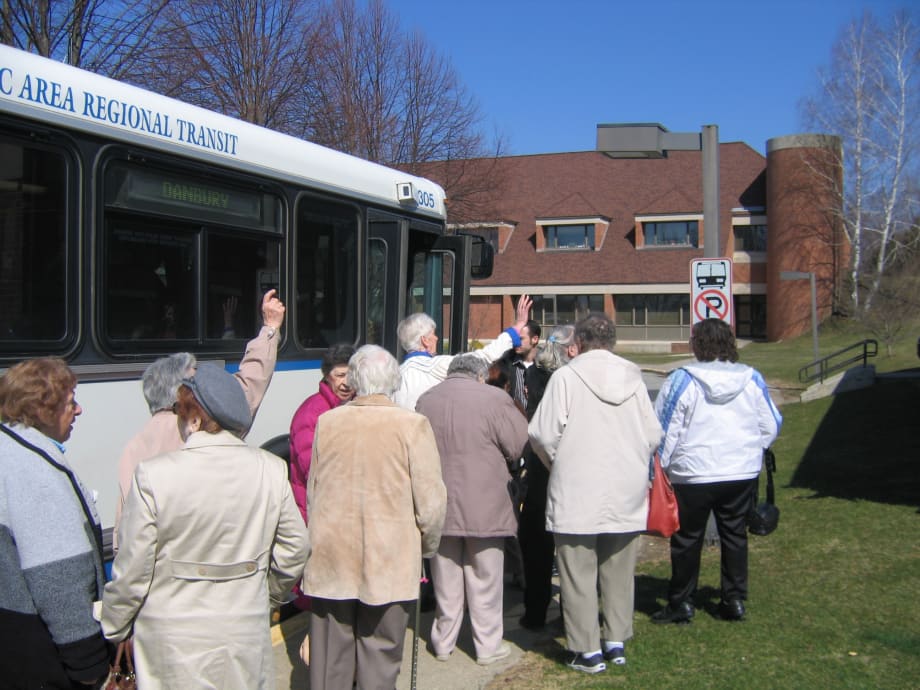
Travel training methods used to accommodate "differently-abled" riders include orientation, familiarization, route training and one-to-one comprehensive, intensive.
Travel training methods used to accommodate
As the critical mass of accessible fixed-route public transportation vehicles and systems has grown since the 1990 enactment of the Americans with Disabilities Act, so too has the profession of travel training. However, in different communities across the country, working travel trainers have learned that persons with disabilities and seniors are "differently-abled" and may require alternative levels of travel training.
At the 2010 Association of Travel Instruction Conference, long-time travel trainers Margaret M. Groce and Rosanne Bopp of the New York City Department of Education's District 75 Travel Training Program delivered a presentation that categorizes and explains the range of travel training services out there. The association now is in the process of refining this information as it moves forward toward a travel trainer certification process.
Orientation, familiarization
The simplest form of travel training being provided today is orientation, which may be delivered to an individual or a group. An orientation session may last one hour or slightly more, and trainees should learn about the local public transportation system, including how to read maps and schedules, how to apply for reduced-fare benefits, how to pay one's fare, etc. Having an accessible vehicle available so that some trainees can practice boarding, securement and disembarking might also be provided in some locales as part of an orientation session.
A second form of travel training is known as familiarization, which typically involves just one round trip on the local transit system accompanied by a travel trainer, who will provide in-depth information about the particulars of the route. Familiarization might be needed by a person with a disability who is an experienced traveler but who has relocated from one local neighborhood to another, or from one city to another. Familiarization may also be all that is needed for a senior who can no longer drive or has recently acquired a disability.
Orientation and familiarization are the two types of travel training that I have provided during my career at United Spinal Association. MTA New York City Transit, my colleagues at the Department of Education's Travel Training Program and our agency provided many group orientation sessions throughout our city after wheelchair-accessible buses began to arrive in 1982.
For many years, United Spinal published and distributed freely its "How to Ride the Bus" guide, and like other New York City disability groups, we participated in a "Bus Buddy" familiarization program. By the late 1990s, there were enough accessible subway stations in New York for us to apply for and receive an Easter Seals Project ACTION grant for a "Subway Buddy" program as well.
Route training
A third type of travel training offered in many communities is known as route training. It is provided typically to experienced travellers who have the knowledge and the skills to travel independently, but due to changed circumstances, must learn to use a completely different route or mode of public transportation. Simple route training usually involves individualized, accompanied instruction from one to three round trips; however, complex route training may require three or more round trips because the new mode of transport or the new route is much more difficult for the trainee to negotiate, due to different terrain, man-made barriers, multiple transfers or more crowded conditions.
For persons who need complex route training, "shadowing" is recommended. The travel trainer meets the trainee as he or she embarks on a first unaccompanied trip on the new mode or route, but the trainee is shadowed by another travel trainer from a distance during the trip to verify the trainee's ability to travel the new public transportation route safely and independently.
Comprehensive, intensive
Travel training of the fourth type is defined as short-term, comprehensive, intensive and one-to-one instruction provided to a person with a disability in the skills and behaviors necessary for safe and independent travel on public transportation where appropriate. This population includes persons with significant cognitive disabilities who have never traveled independently before; young people with physical or sensory disabilities who have not had the opportunity to move around the environment before or use public transportation independently; and persons who have experienced a traumatic injury or health crisis that affects their ability to negotiate environments independently.
This form of travel training is the type provided by the New York City Department of Education travel trainers and by some other agencies across the nation. The duration of this type of travel training is generally much longer than previous variations discussed, because trainees must learn skills and behaviors often taken for granted by non-disabled transit users, such as how to pay the transit fare, who to contact in the event of an emergency and choosing safe street crossings.
For these important reasons, we remind travel trainers of their most critical first action when a new trainee presents: conducting a thorough and detailed assessment of the individual seeking travel training. By doing so, at the end of the training your trainees will know that they, too, can use public transportation safely and independently.
More Paratransit
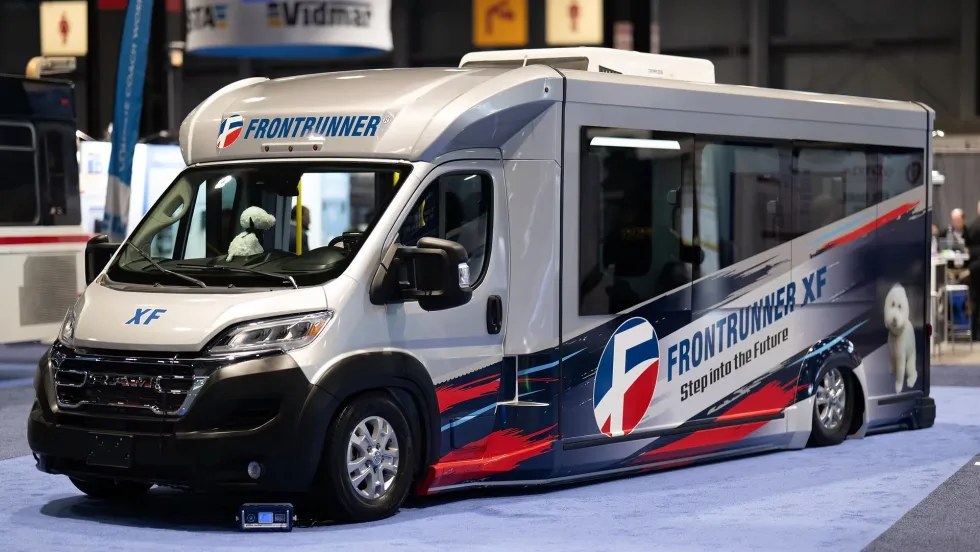
Frontrunner Bus Group Introduces XF Low-Floor Bus with Enhanced Accessibility
The new mid-sized bus features a full flat-floor design, eight-inch curbside step-in height, and zero-entry rear ramp to improve passenger access and operational flexibility.
Read More →
Scenes from APTA TRANSform & EXPO 2026
Transit leaders, manufacturers, and industry professionals gathered in Chicago to explore new technologies, share ideas, and discuss the future of public transportation.
Read More →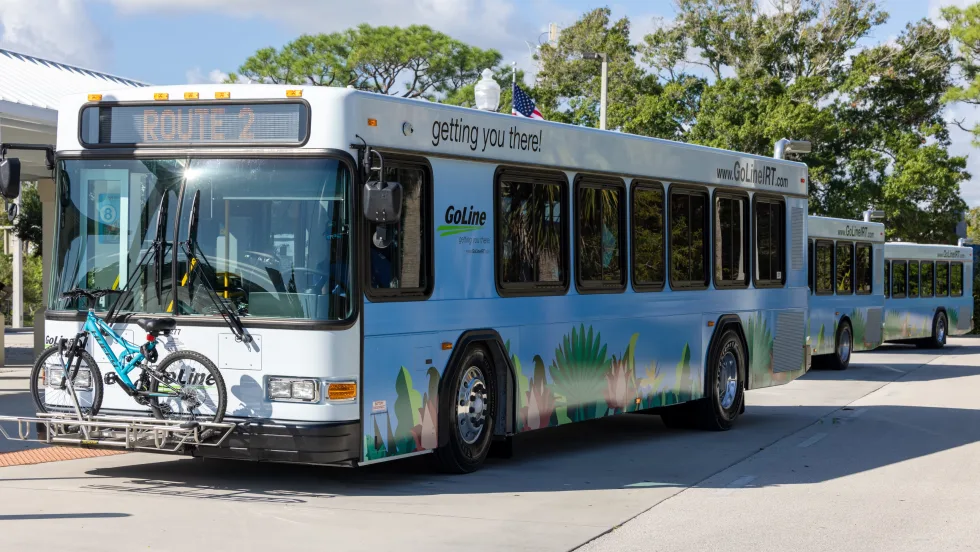
Indian River Transit’s Community-Focused Approach Earns National Recognition
Named APTA’s 2026 Outstanding Public Transportation System in its size category, Florida’s Indian River County transit system continues to grow ridership through fare-free service and a focus on evolving community needs.
Read More →
Everett Transit, Community Transit Outline Consolidation Agreement
The proposed agreement calls for a 50% increase in bus service in Everett, a new microtransit zone, continued paratransit service, and the transfer of Everett Transit operations to Community Transit.
Read More →
Driving Smarter Paratransit
John Hanlon shares how AlphaRoute is leveraging AI-powered technology to help paratransit providers optimize operations, support frontline staff, and enhance the rider experience.
Read More →
People Movement: Dan Dipert Coaches Adds Third-Generation Leader, Keolis Names New Valley Metro VP/GM, and More
In this edition, we also cover recent appointments and announcements at the Wabtec, SilverRide, HNTB, and more, showcasing the individuals helping to shape the future of transportation.
Read More →
Biz Briefs: RIPTA Unveils New Frontrunners, Clevland RTA Adds New Siemens, and More
In METRO's latest installment, we take a look at recent news from Siemens, Prevost, Dodge, and more partnerships making headlines across the transportation sector.
Read More →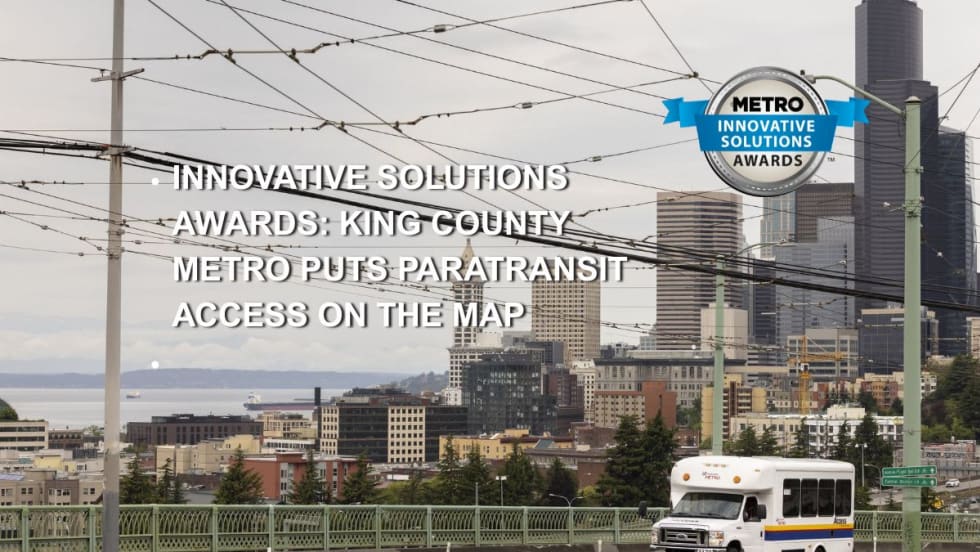
King County Metro Makes ADA Paratransit Easier to Navigate
METRO's Innovative Solutions Award winner replaces complex service-area descriptions with an accessible, interactive map that puts paratransit information directly in customers’ hands.
Read More →
Jacksonville’s NAVI Project Charts a New Course for Autonomous Public Transportation
Through its NAVI program, JTA is showing how autonomous vehicles, intelligent infrastructure, and coordinated operations can work together to deliver everyday public transportation.
Read More →
Driving Smarter Paratransit
John Hanlon shares how AlphaRoute is leveraging AI-powered technology to help paratransit providers optimize operations, support frontline staff, and enhance the rider experience.
Read More →