



What government can do to create transit jobs
The real job creator, of course, is what APTA and its business members have advocated for more than a decade: a stable, longer-term funding bill at current levels or better.
Because the unemployment rate has been stuck above 9 percent — add in the underemployment rate and it's no less than double that, according to many reports - the president addressed a joint session of Congress. While we don't know exactly what he said at press time, what he said in his weekly Internet video the weekend before was right on. You want an effective jobs bill? Pass a long-term transportation bill.
Left and right ideas
Some on the left think the answer is to force businesses to keep jobs here by some sort of artificial "pay to play" mandate and one proposal they'd like to see passed is called "Make it In America." Part of this proposal calls for 100 percent content requirements in all public transportation vehicles, a level that is presenting a nightmare for those in the high-speed rail program, where such a mandate is part of the stimulus legislation — and where even longstanding U.S. brands in bus engines and transmissions probably would not meet, if it were extended to transit.
Some on the right think that a 35 percent cut in the current federal public transportation program can be filled with public-private partnerships (P3s) and looser environmental and other rules. Although P3s can help, no responsible study suggests that it can provide enough private financing or cut enough costs to fill the gap that a one-third cut from current federal funding levels would mean. Faster project development and funding approvals would also clearly help, but again, not by that much.
The real job creator
The real job creator, of course, is what APTA and its business members have advocated for more than a decade: a stable, longer-term funding bill at current levels or better. Business leaders tell me these conditions will help them make confident decisions about new hiring and funding new R&D.
It will give them the confidence to seek opportunities here, not shift their resources to other countries or other industries. Many of these private-sector companies are multinational and most are in other lines of business as well. In fact, for most, public transportation is nowhere near to being their most important market.
As I've pointed out before, state and local voters get it and have already passed ballot propositions this year at a historic 70 percent-plus rate, including those with tax increases attached. Many of these, though, assume that the federal government will also contribute a fair share, and some want the feds to help with more agreeable loan terms that states and cities would pay back with the money local taxpayers voted to give them. It is time for our federal leaders to be part of the solution for more job creation and not part of the problem.
More Bus
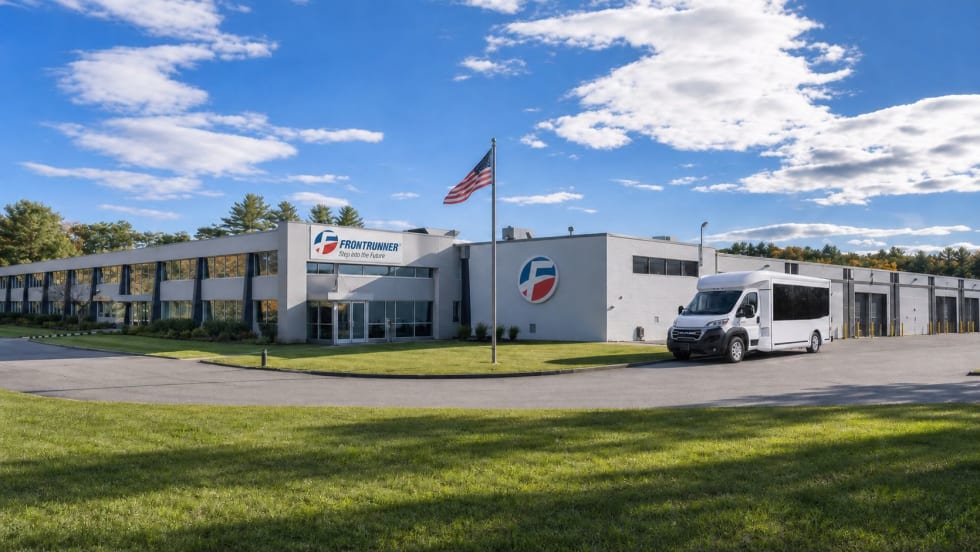
Frontrunner Bus Group Expands with New Massachusetts Headquarters
The significantly larger facility will provide the infrastructure needed to support the company’s growing workforce, advanced technologies, and expanding product line.
Read More →
Joshua Schank on Transportation Innovation, Risk, and the Future of Mobility
In this edition of METROspectives, Joshua Schank discusses lessons from launching LA Metro’s Office of Extraordinary Innovation, the challenges of advancing new mobility technologies, and much more.
Read More →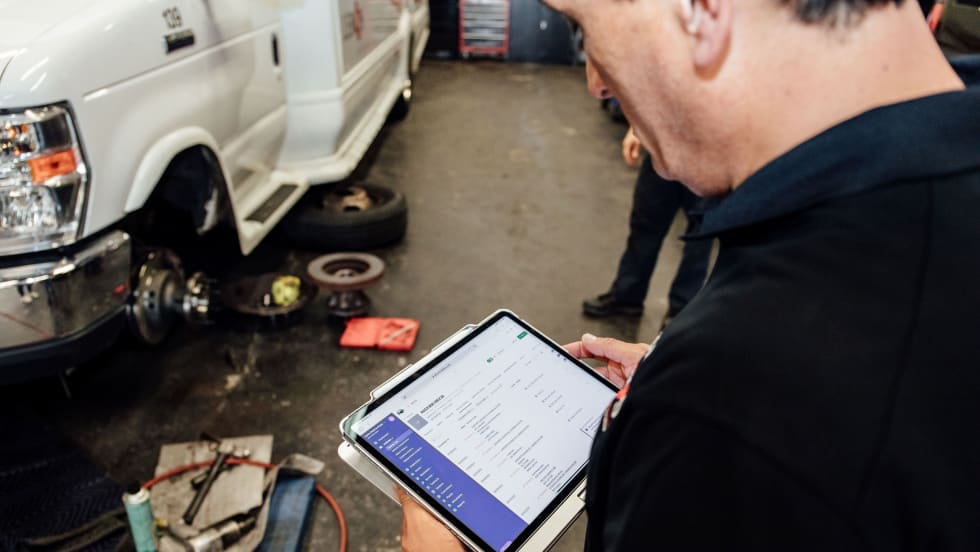
Reinventing Fleet Maintenance with Real-time Visibility and AI
Transit leaders need to know what needs fixing, where to look, who is responsible, when work is completed, and what it costs without having to chase information across disconnected systems.
Read More →
SamTrans Sets Priorities for Potential Connect Bay Area Revenue
The board-approved framework allocates future funding to maintaining service, rider improvements, equity initiatives, and infrastructure repairs.
Read More →
When Routine Fails: How Public Transit Must Adapt for the World Cup
The 2026 FIFA World Cup will test transit agencies’ ability to manage unpredictable travel patterns, making real-time data and operational flexibility critical to moving millions of visitors efficiently.
Read More →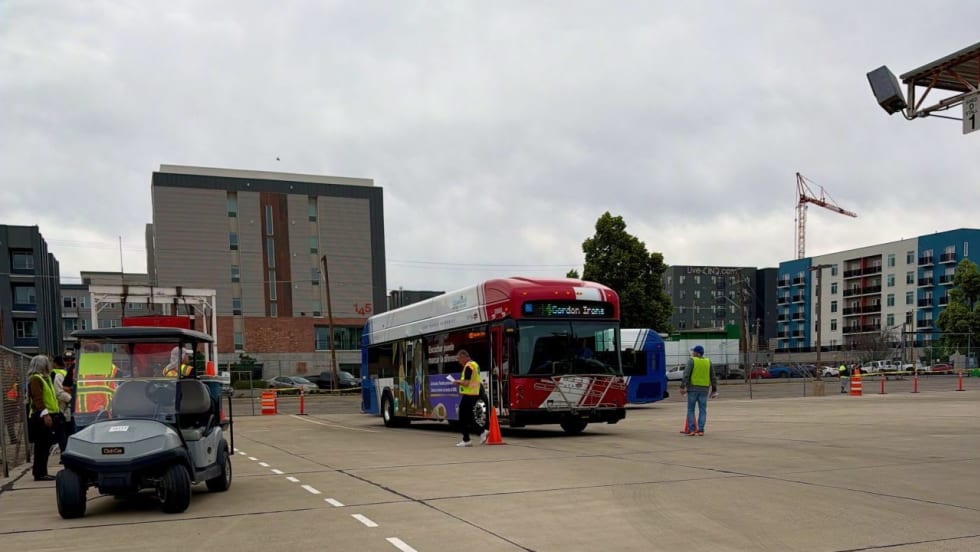
Photo Highlights from APTA's 2026 Mobility Conference
The photo gallery captures scenes from the conference, including the International Bus Roadeo, exhibit hall activities, the Bus Showcase, and much more.
Read More →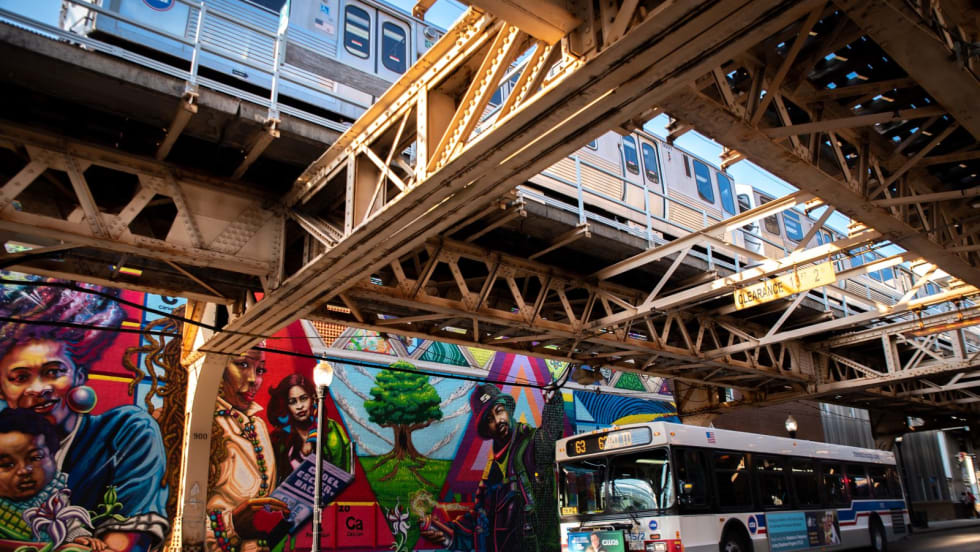
Chicago's NITA Act Moves Into Next Phase as Service Improvements Begin
Rider-focused improvements will begin rolling out across the system immediately as CTA, Metra, and Pace increase service this summer in the six-county region.
Read More →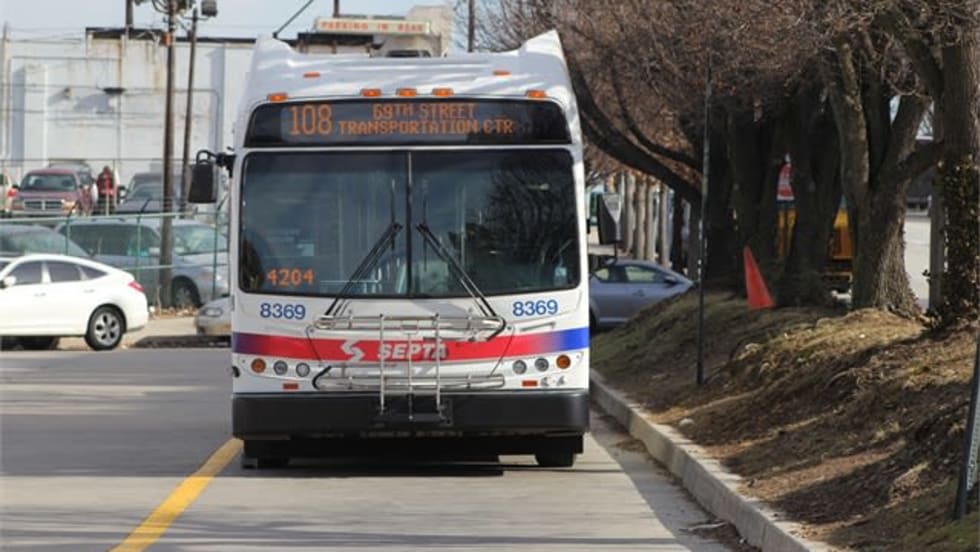
Philadelphia's SEPTA Approves Annual Transit Service Plan
Between 2021 and 2024, SEPTA held more than 200 public meetings — including 144 in-person sessions — throughout the SEPTA service region.
Read More →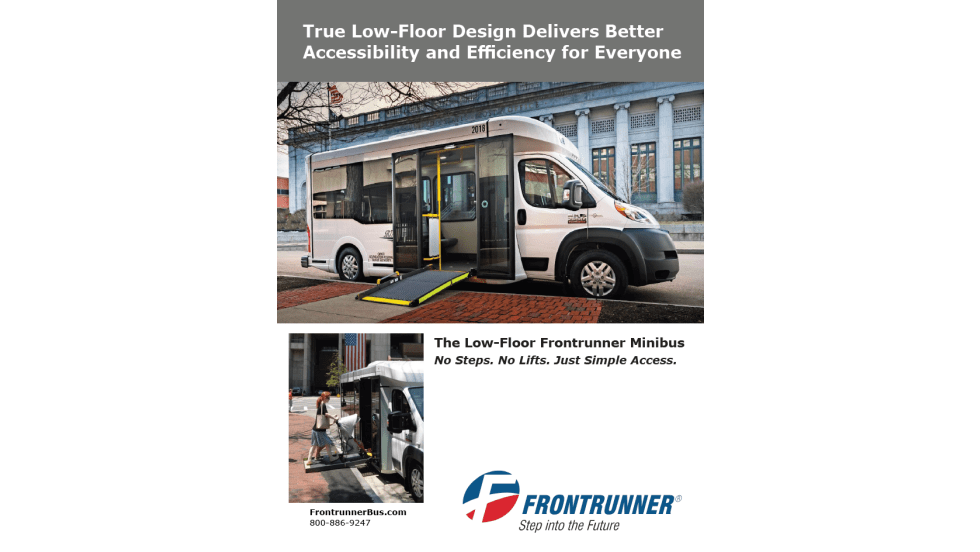
A True Low-Floor Minibus Design Delivers Better Accessibility and Efficiency for Everyone
As transit demands evolve, so should your fleet. Download the whitepaper to see how the Low-Floor Frontrunner Minibus compares to traditional options.
Read More →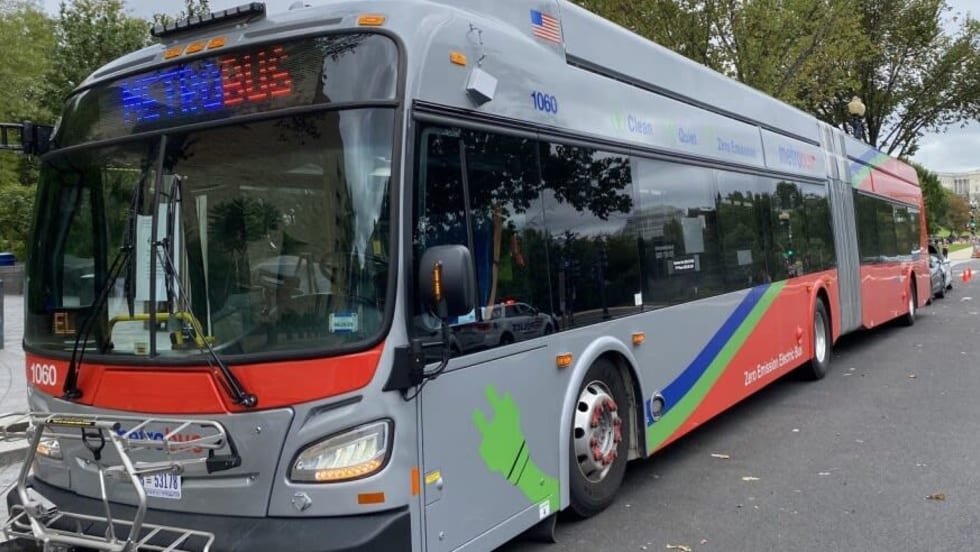
WMATA Debuts 'Fares Pay for Service' Awareness Campaign
The campaign was highlighted during a media event at the Paul S. Sarbanes Transit Center in Silver Spring, where WMATA’s GM/CEO Randy Clarke joined Metro Transit Police officers, WMATA management team, board members, and staff to expand fare enforcement and customer education efforts on Metro Bus routes throughout the region.
Read More →