



Megabus reinventing intercity travel
Megabus.Com - Paramus, N.J.

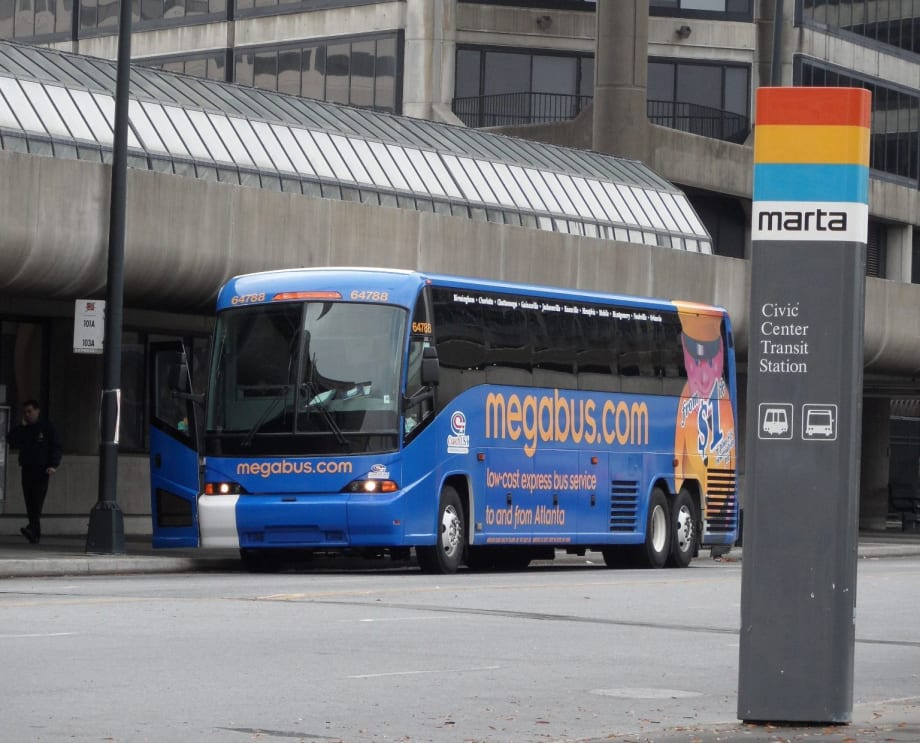

Moving from zero brand recognition five-and-a-half years ago at its inception to transporting one million passengers every 42 days, Paramus, N.J.-based megabus.com has made great strides in the intercity travel market. Some say the company, a subsidiary of Coach USA, has even reinvented it, making it even more convenient and affordable and attracting more customers as a result.
In April 2006, Coach USA created the company, which introduced the concept of purchasing a ticket online instead of having to buy it at a terminal. This gave customers the added convenience of shopping for the best prices — sometimes for as low as $1 — and departure times.
"It's pretty much an Internet-based business from the time you book a trip...that's an element that consumers have really enjoyed," Dale Moser, president/COO, megabus.com says.
Additionally, once a customer buys a ticket, they are guaranteed a seat on the bus leaving at the departure time they selected. "Historically you walked up to the terminal, bought a ticket, then got in line, [only] to find out you may not go on that trip. You have to go on another bus," Moser adds.
Megabus.com also chose central city locations for its pick-up and drop-off points, providing easy access to other forms of transportation, including trains, cabs and buses located within walking distance in a safe area to hotels, restaurants, theaters and shopping. Additionally, the coaches make minimal stops between destination points.
"We go from major destinations to other major cities, with maybe one stop in between, [usually] a driver rest stop or an inter-point that serves as a driver rest stop and pickup place," Moser says.
Using double-deck coaches is another way Megabus provides value and keeps their practices green. With a passenger capacity of 81, a double-deck can seat more people, making it 33% more green than the standard motorcoach, Moser says. For example, he explains, trips from New York to Washington, D.C., use only 25% of the fuel that would normally be used if 60% of the passengers on a full bus were driving their cars.
"We're mitigating our demand on fossil fuels, and the 2010 engines we're using right now give off 10 times less carbon dioxide than the average automobile, per government statistics," Moser explains.
As Moser sees it, a clear indication that megabus.com helped to reinvent intercity motorcoach travel in North America is the significant number of carriers introducing similar services.
"We're flattered [and] delighted by that. It gives the traveling public more opportunity and options," he says.
Moser also points to the DePaul University's Chaddick Institute for Metropolitan Development report, released in 2010, which found that even though motorcoach ridership had been in decline for 30 consecutive years, in 2007 for the first time it had increased by 4.1%.
"[The report's authors] attributed the increase and turnaround to Megabus, because we were reinventing the service and recasting it," Moser says. "It was getting new travelers that were not your customary bus travelers out of the car, off the plane and onto the motorcoach."
The operator's ridership is still increasing, at 38% year over year, Moser says. Continuing that growth, the carrier recently expanded into the Southeast region of the U.S., creating a hub in Atlanta in response to feedback from both customers and potential customers asking for the service. Over the last couple of years, Moser says, the carrier has seen a huge volume of requests from people in the Southeastern U.S., who either used the service in another part of the country or had family or friends use it, to bring Megabus to various cities in the region.
To tap that feedback, Megabus.com embraced social media, including Facebook, Twitter and Tumblr, focusing on getting close to its customer base, understanding their needs and designing programs to meet their needs. Social media, Moser says, offers"a whole new realm of opportunity to communicate with, listen to people, and then formulate your strategy based on consensus and what the end consumer's looking for. That's been our overall strategy and it has worked."
More Motorcoach
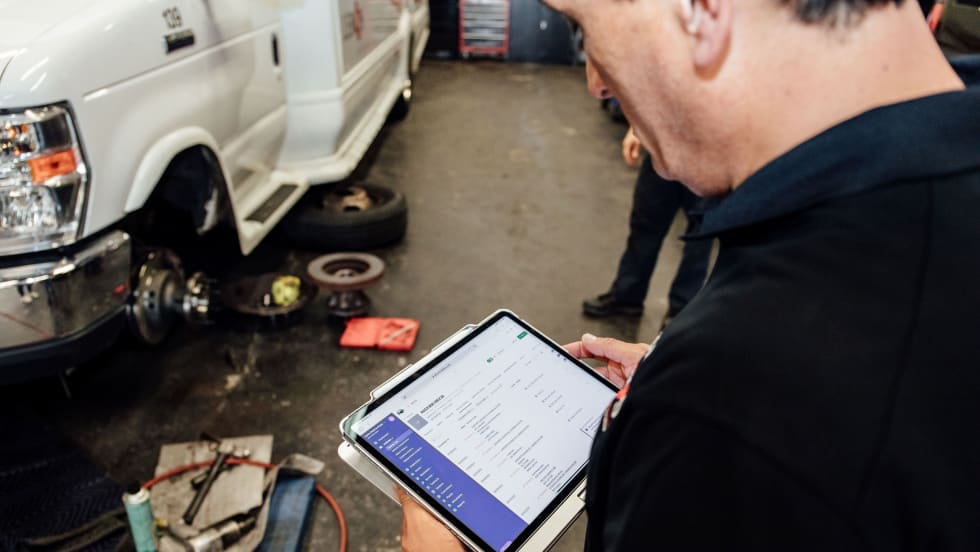
Reinventing Fleet Maintenance with Real-time Visibility and AI
Transit leaders need to know what needs fixing, where to look, who is responsible, when work is completed, and what it costs without having to chase information across disconnected systems.
Read More →
ABA's Ferguson Testifies in Support of BUS Act, National Standards for Bus Operators
The BUSES Act would create a nationwide framework preventing state and local governments from enforcing bus idling restrictions of less than 15 minutes, a threshold consistent with existing Environmental Protection Agency guidance.
Read More →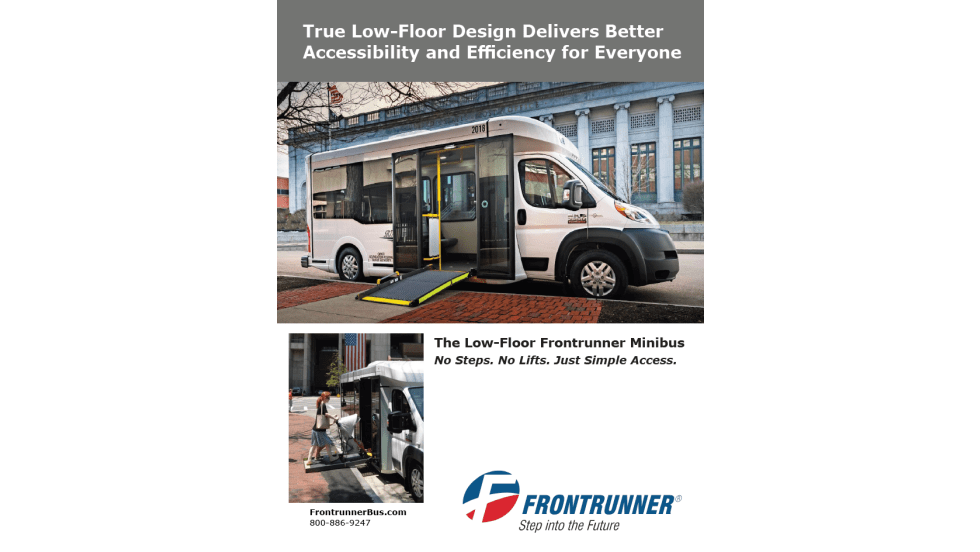
A True Low-Floor Minibus Design Delivers Better Accessibility and Efficiency for Everyone
As transit demands evolve, so should your fleet. Download the whitepaper to see how the Low-Floor Frontrunner Minibus compares to traditional options.
Read More →
2026 METRO Buyer’s Guide & Directory
Searching for the right vehicles, technology, equipment, or services for your public transit or motorcoach operation? This industry guide brings together manufacturers and suppliers from across the transportation market — all in one place. Download it to connect with the companies that help agencies and operators improve mobility, enhance operations, and move their organizations forward.
Read More →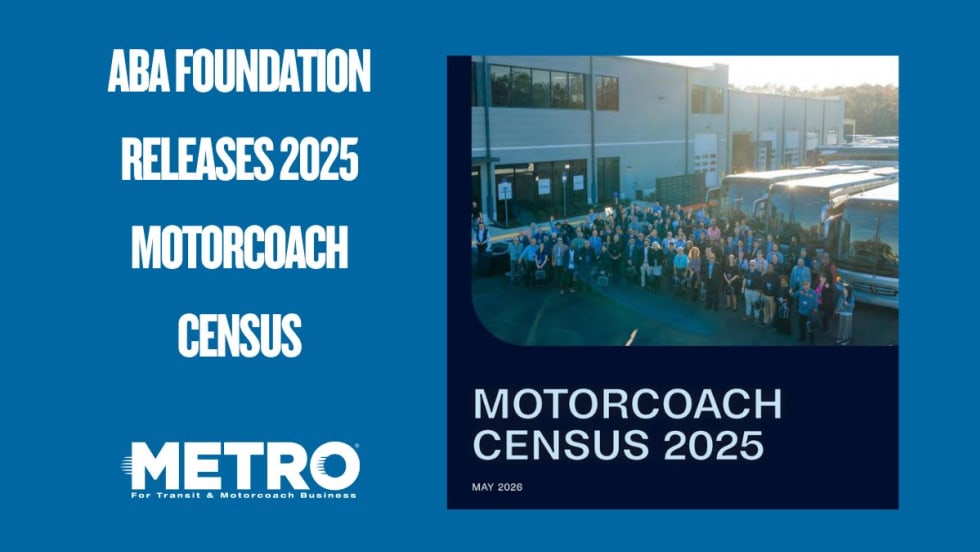
ABA Foundation’s 2025 Motorcoach Census Highlights Industry Growth, 77K Jobs
Conducted annually by Tourism Economics, the study found that 1,769 companies operating 49,543 motorcoaches are based in the US, while 122 companies operating 1,425 motorcoaches are located in Canada.
Read More →
ENC Lands Additional 10-Bus Order From Academy Bus
The latest purchase brings Academy Bus’ AXESS fleet orders to 35 vehicles as ENC continues expanding its heavy-duty transit lineup.
Read More →
American Bus Association Files Lawsuit Against NYC Over Bus Idling Rules
The lawsuit, filed in the U.S. District Court for the Southern District of New York, challenges the City’s use of its Citizens Air Complaint program.
Read More →
Avoiding Mid-Season Breakdowns: A Fleet Readiness Q&A
John Hatman, COO of Master’s Transportation, breaks down the priorities, warning signs and common mistakes fleet managers should address now to stay ahead of summer demand.
Read More →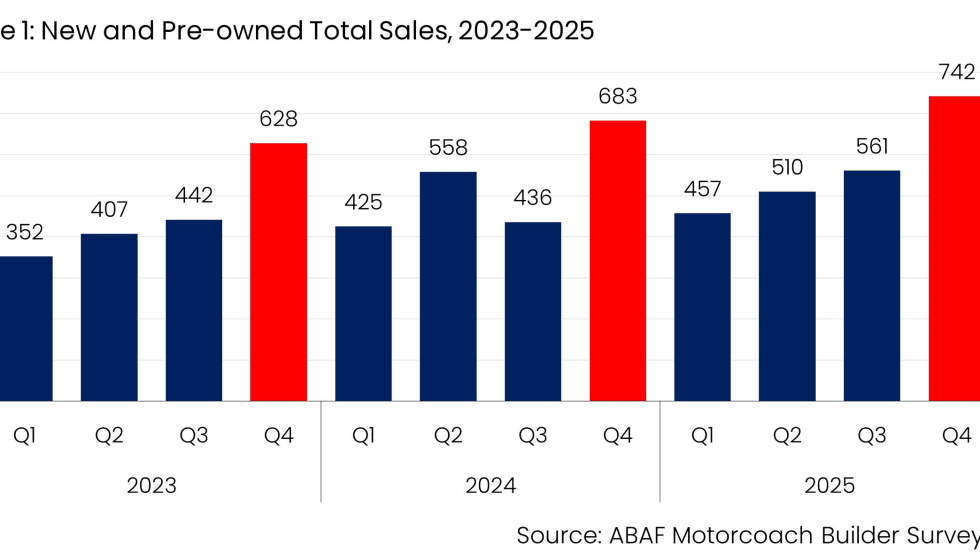
ABA Report: Motorcoach Sales Tick Up in Q1 2026 as Market Stabilizes
The Foundation produces the report each quarter, using data collected from surveys of major motorcoach manufacturers that sell vehicles in the US and Canada.
Read More →
How the Motorcoach Industry Supports Disaster Response and National Preparedness
Fred Ferguson, president and CEO of the American Bus Association (ABA), discussed how the industry prepares for emergencies, the growing recognition of motorcoaches as critical infrastructure, and steps operators can take to strengthen disaster readiness.
Read More →