



Safety tops list of values for Pacific Western
Pacific Western Group of Companies - Calgary
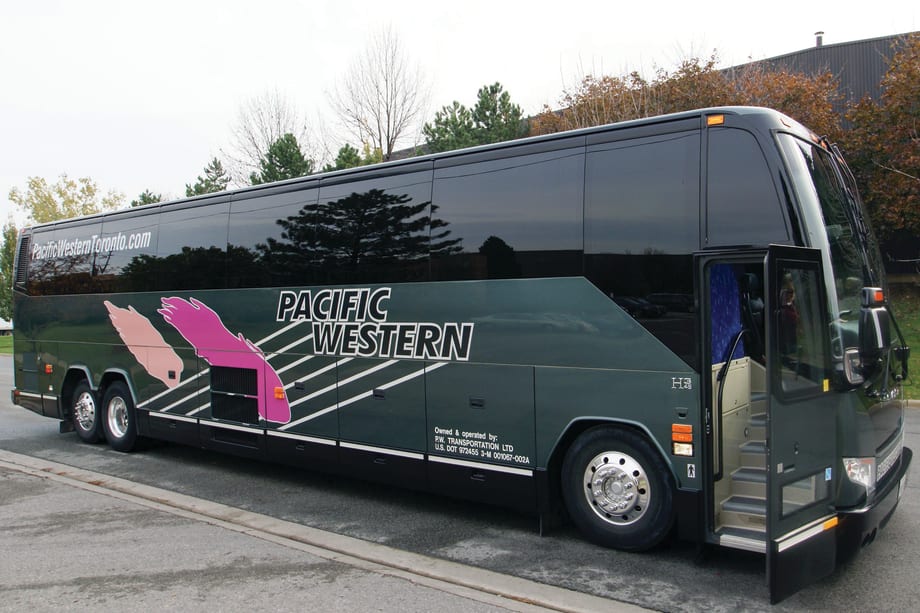

With more than 50 years in business, the Pacific Western Group of Companies evolved from a school bus operator to becoming an extensive network of offerings with four business lines and 20-plus brands, which include motorcoach, industrial and transit lines.
Over the years, the operation has also grown its fleet to close to 3,000 coaches, school and transit buses; more than 2,900 drivers and 3,800 employees. To that end, Pacific Western has established core values across its entire slate of businesses, with safety being at the top of the list.
"Literally, our ownership wants us to be seen as leaders in bus and coach safety in the world," says Stephen Evans, VP, safety, for the Pacific Western.
Evans was brought on in 2008 to help provide a vision of what world class safety programs would look like, provide training and mentorship, put the programs and initiatives into place, create more visible safety programs, and provide overall direction and support for the four VPs for each business arm.
Without a typical "pyramid" of authority, the decentralized Pacific Western created a director of safety position for each group, which are all supported by Evans.
"They are insiders," explains Evans. "They have a seat at the table within the individual lines, but also, have a dotted line relationship to me so we kind of get the best of both worlds."
To help each division operate within their own brands but also embrace the corporate vision, the company set up the Safety Advisory Group, which consists of Evans and the four safety directors, who meet each month to work out all the challenges they each face. In addition, Pacific Western holds a series of meetings at various intervals that extend outward to each operation's VP and key corporate officers, culminating in a yearly safety conference.
"We are really proud because a lot of companies talk about safety, but it's usually just one person who's responsible to do all of it," says Evans. "We've managed to move beyond that, and our operations people are taking responsibility for moving our programs forward."
To measure the success of its safety programs, Pacific Western has nine key performance indicators (KPI) that it monitors throughout the year. The company also does a safety perception survey once a year, where they ask mechanics and drivers a series of 13 questions.
"We ask a variety of questions designed to get a better understanding of how the front line staff feel about safety and if the message we talk about in our management meetings is actually getting through to them," says Evans.
Pacific Western's large fleet consists of mostly Prevosts - about 98%, according to the company.
Recently, the company took delivery of new Prevost H3-45 coaches, featuring three-point seat belts and the AWARE system, which provides Pacific Western with valuable information and takes actions that allow them to maintain safe driving practices. The Adaptive Cruise function adjusts the speed of the coach to maintain a safe following distance while in cruise control. The Impact Alert is always on and alerts drivers if the distance between the coach and vehicle ahead closes too quickly, allowing the driver to take action. The Following Distance Alert reminds the driver to keep a safe following distance, reinforcing safe driving techniques.
"There is a group of lights that circle around the speedometer, and as the coach gets closer and closer and the following distance becomes unsafe, the lights go from flashing yellow to red. If the driver has the vehicle in cruise control, the system will automatically back the cruise control out to try to get coach away from the vehicle and also begin to apply a limited amount of braking," explains Evans. "The idea is, if the driver for any reason is inattentive, these controls will proactively begin to influence the process to avoid an incident."
The new technologies on its coaches, along with a driving simulator are just Pacific Western's latest efforts to maintain its biggest core value.
More Motorcoach

Reinventing Fleet Maintenance with Real-time Visibility and AI
Transit leaders need to know what needs fixing, where to look, who is responsible, when work is completed, and what it costs without having to chase information across disconnected systems.
Read More →
ABA's Ferguson Testifies in Support of BUS Act, National Standards for Bus Operators
The BUSES Act would create a nationwide framework preventing state and local governments from enforcing bus idling restrictions of less than 15 minutes, a threshold consistent with existing Environmental Protection Agency guidance.
Read More →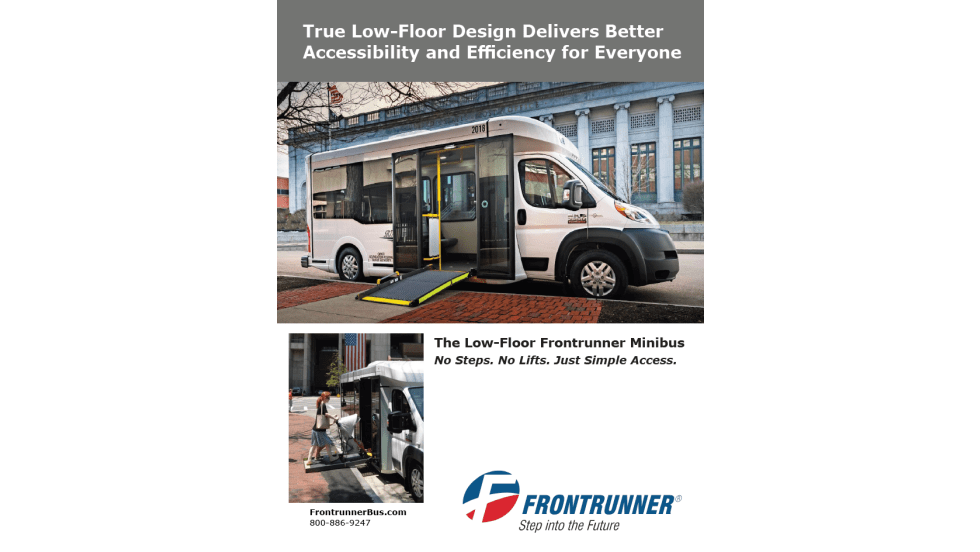
A True Low-Floor Minibus Design Delivers Better Accessibility and Efficiency for Everyone
As transit demands evolve, so should your fleet. Download the whitepaper to see how the Low-Floor Frontrunner Minibus compares to traditional options.
Read More →
2026 METRO Buyer’s Guide & Directory
Searching for the right vehicles, technology, equipment, or services for your public transit or motorcoach operation? This industry guide brings together manufacturers and suppliers from across the transportation market — all in one place. Download it to connect with the companies that help agencies and operators improve mobility, enhance operations, and move their organizations forward.
Read More →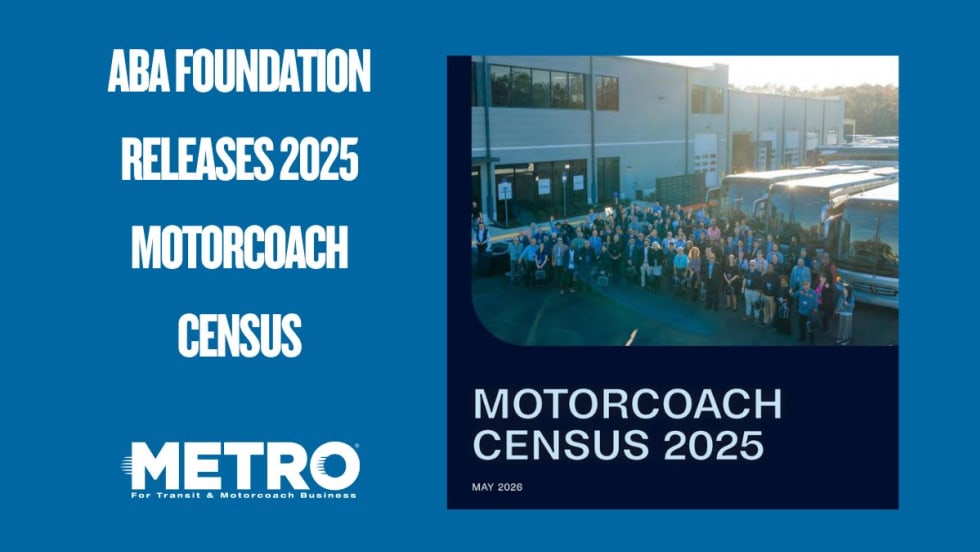
ABA Foundation’s 2025 Motorcoach Census Highlights Industry Growth, 77K Jobs
Conducted annually by Tourism Economics, the study found that 1,769 companies operating 49,543 motorcoaches are based in the US, while 122 companies operating 1,425 motorcoaches are located in Canada.
Read More →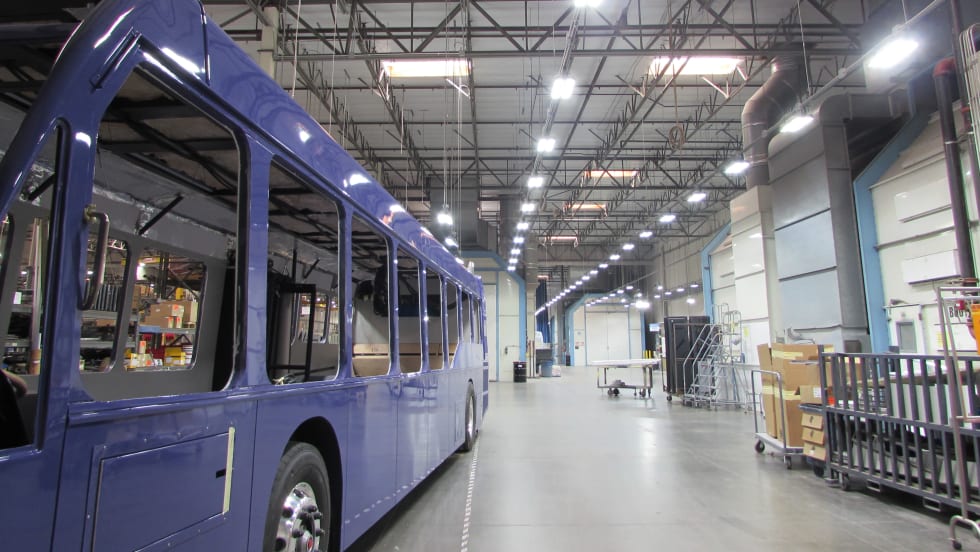
ENC Lands Additional 10-Bus Order From Academy Bus
The latest purchase brings Academy Bus’ AXESS fleet orders to 35 vehicles as ENC continues expanding its heavy-duty transit lineup.
Read More →
American Bus Association Files Lawsuit Against NYC Over Bus Idling Rules
The lawsuit, filed in the U.S. District Court for the Southern District of New York, challenges the City’s use of its Citizens Air Complaint program.
Read More →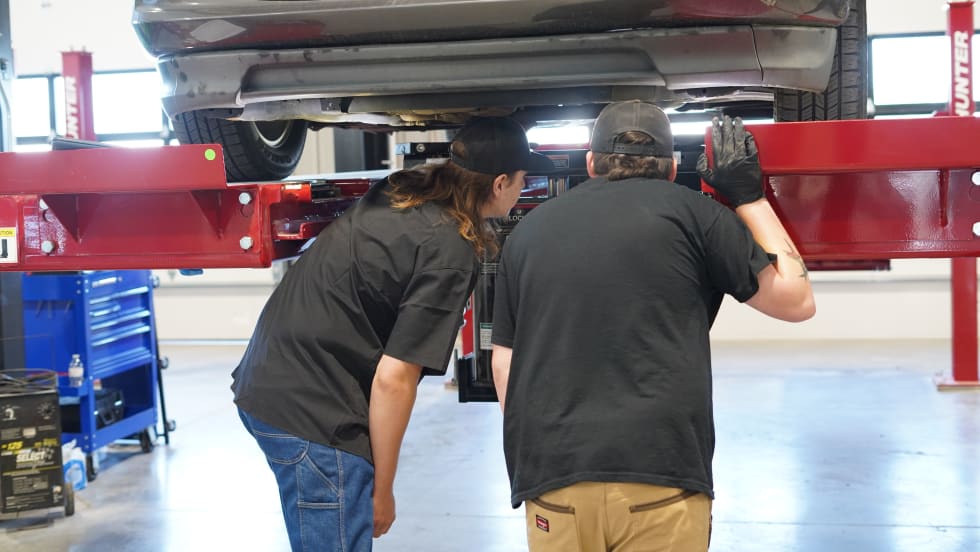
Avoiding Mid-Season Breakdowns: A Fleet Readiness Q&A
John Hatman, COO of Master’s Transportation, breaks down the priorities, warning signs and common mistakes fleet managers should address now to stay ahead of summer demand.
Read More →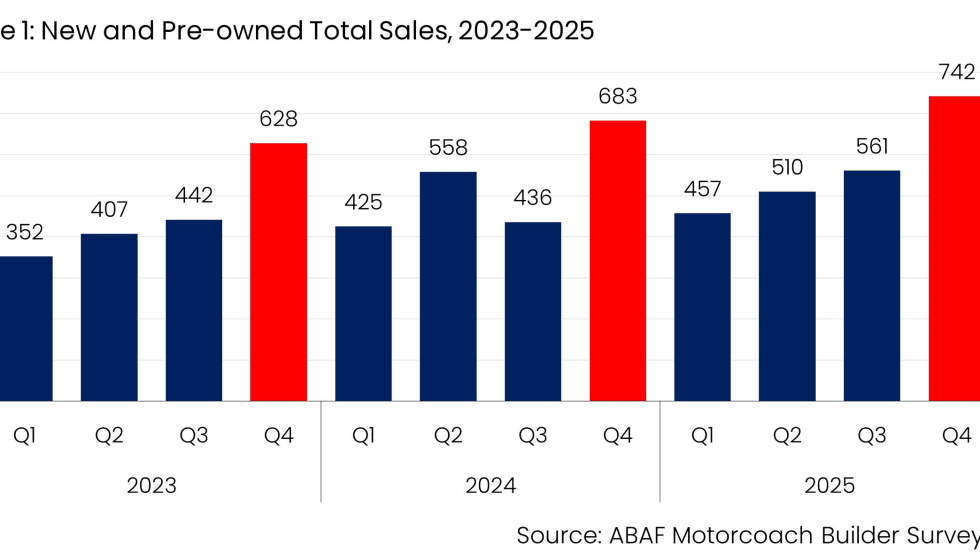
ABA Report: Motorcoach Sales Tick Up in Q1 2026 as Market Stabilizes
The Foundation produces the report each quarter, using data collected from surveys of major motorcoach manufacturers that sell vehicles in the US and Canada.
Read More →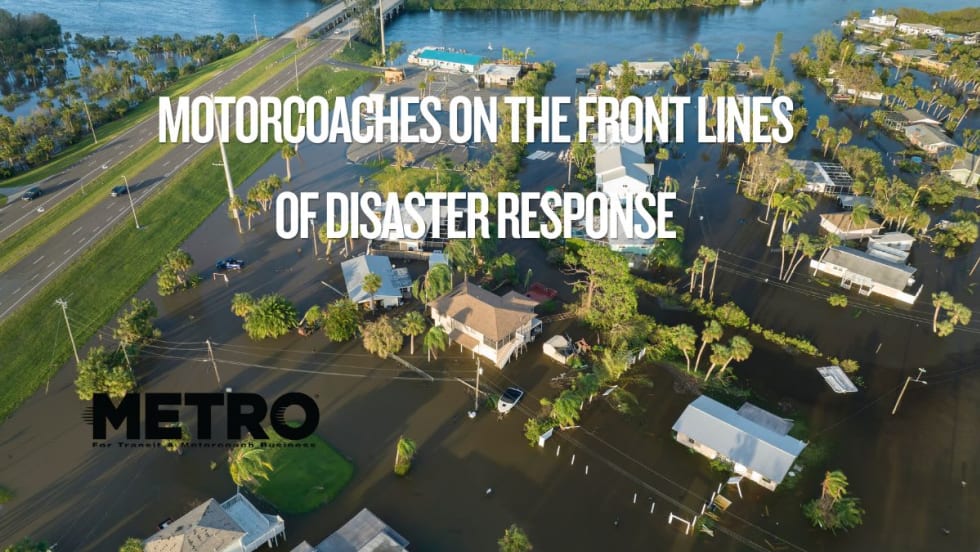
How the Motorcoach Industry Supports Disaster Response and National Preparedness
Fred Ferguson, president and CEO of the American Bus Association (ABA), discussed how the industry prepares for emergencies, the growing recognition of motorcoaches as critical infrastructure, and steps operators can take to strengthen disaster readiness.
Read More →