



GM Survey: Budgets stabilize, revenue alts sought
The average transit executive spent 23 years in the industry, with an average annual salary of $113,000, according to METRO’s seventh annual survey.
In a turnaround from last year’s General Manager Survey, nearly 60% of respondents are not facing a budget shortage. Of those reporting an issue, 61% cut service, while 58% raised fares and 40% eliminated positions in order to cope. To deal with rising costs such as healthcare and fuel prices, GMs are revisiting contract charges annually, and cutting back on discretionary costs (i.e. advertising); establishing wellness programs and purchasing fuel in contract blocks; as well as reducing workers comp exposure and purchasing more fuel-efficient buses.
We asked transit executives what they thought of the new transportation bill (MAP-21). Some said it was too early to tell, or were indifferent, while some liked the changes to New Starts evaluation critera and the move toward formula funds. Others disliked that it was only a two-year bill and that Positive Train Control requirements were not adjusted to realistic expectations.
Looking at the makeup of our survey respondents, four out of five were male, while the number of average years worked in the industry was 23. The average annual salary was $113,000, with the highest reported being nearly $300,000 and the lowest being under $33,000. A majority of respondents (63%) feel transit executives are paid fairly, while nearly nine out of ten do not ride their own systems to work. Transit executives spent nearly half of their time dealing with governmental/public affairs, with business/budget dealings coming in second.
Three out of four transit executives cite advertising as an additional way to generate revenue. Applying for state and federal grants, as well as selling maintenance services and acting as a local agent for Greyhound are “other” methods being employed.
For the full story as it appeared, click here.
More Paratransit

Biz Briefs: RIPTA Unveils New Frontrunners, Clevland RTA Adds New Siemens, and More
In METRO's latest installment, we take a look at recent news from Siemens, Prevost, Dodge, and more partnerships making headlines across the transportation sector.
Read More →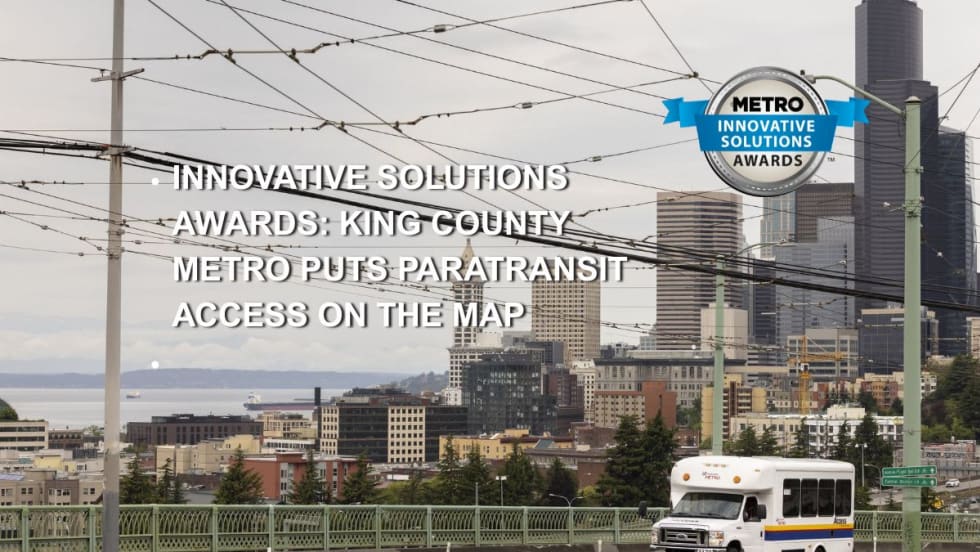
King County Metro Makes ADA Paratransit Easier to Navigate
METRO's Innovative Solutions Award winner replaces complex service-area descriptions with an accessible, interactive map that puts paratransit information directly in customers’ hands.
Read More →
Jacksonville’s NAVI Project Charts a New Course for Autonomous Public Transportation
Through its NAVI program, JTA is showing how autonomous vehicles, intelligent infrastructure, and coordinated operations can work together to deliver everyday public transportation.
Read More →
Driving Smarter Paratransit
John Hanlon shares how AlphaRoute is leveraging AI-powered technology to help paratransit providers optimize operations, support frontline staff, and enhance the rider experience.
Read More →
METRO Magazine Announces 2026 Innovative Solutions Awards Winners
Projects Recognized for Advancing Mobility Through Technology, Accessibility, Workforce Innovation, and Operational Excellence
Read More →
Biz Briefs: STV teams with Amtrak, Motorcoach Operators Boost Fleet and Land Contracts, and More
From manufacturers and suppliers to transit agencies and motorcoach operators, these updates offer a snapshot of the projects, partnerships and business moves driving the industry forward.
Read More →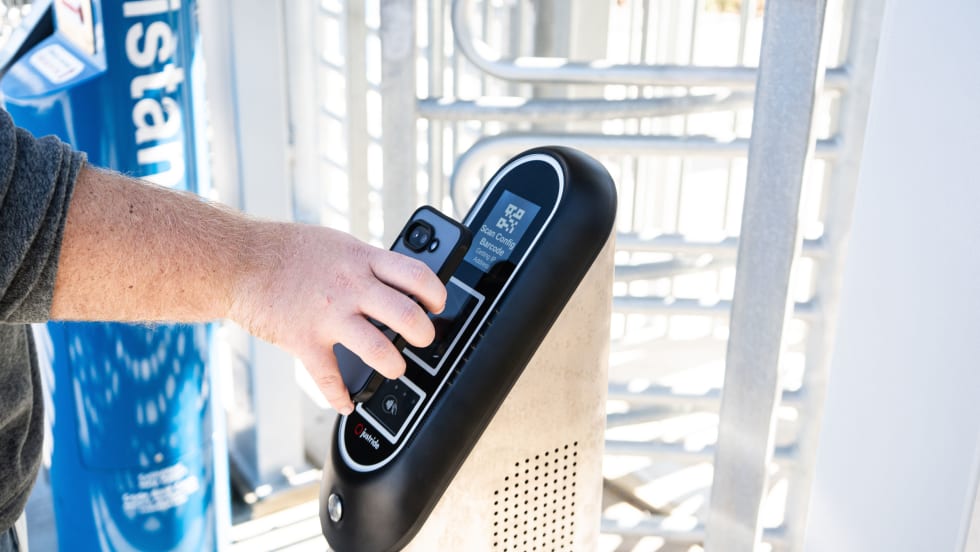
Biz Briefs: Masabi Teams with St. Louis Metro and More
In METRO's latest installment, we take a look at recent news from Transdev, Hitachi, and more partnerships making headlines across the transportation sector.
Read More →
New York MTA Leverages Zoning Program to Advance Station Accessibility
Accessibility enhancements at Nevins St Station will be financed through a development agreement tied to the MTA's Zoning for Accessibility initiative.
Read More →
Reinventing Fleet Maintenance with Real-time Visibility and AI
Transit leaders need to know what needs fixing, where to look, who is responsible, when work is completed, and what it costs without having to chase information across disconnected systems.
Read More →
SamTrans Sets Priorities for Potential Connect Bay Area Revenue
The board-approved framework allocates future funding to maintaining service, rider improvements, equity initiatives, and infrastructure repairs.
Read More →