



Revamped paratransit program saves $25 million
As part of its revamped paratransit program, Metro provides travel training and outreach to customers with disabilities to teach them about the accessibility features of the bus and rail systems.
Faced with surging ridership and an escalating budget, the Washington Metropolitan Area Transit Authority (Metro) looked for a way to revamp its MetroAccess paratransit services.
“Over four years, the paratransit budget from 2005 to 2009 doubled from $52 million to $104 million,” explained Christian T. Kent, assistant GM, Access Services. “[The growth] was mostly driven by all these additional customers signing onto the service and finding it was meeting their needs, so we were really the victims of our success.”
A long, lingering issue Metro experienced was that nearly 100% of people who applied for MetroAccess attained certification. So, in 2009, the agency took the certification process in-house, switching to a more medical clinic-type approach, which required potential customers to fill out the application with their physician before sending it to Metro which would then set up an appointment with the applicant, explained Frank Roth, director, eligibility certification and outreach.
“When we started doing it this way, we found it was more efficient for the customer,” Roth said. “It was also more efficient for us. We could get them in for their appointment, take care of their assessment and get a determination made on them.”
Metro’s new business model for certifying MetroAccess customers included attention to detail, strong customer focus, and several innovative approaches, including employing recreational therapists to conduct paratransit eligibility assessments. The agency’s new model also assigns a case worker to every customer.
“When the applicant makes the call to schedule the appointment, one person will follow them through the process, work at completing the assessment, and make the final determination,” explained Roth. “If there are any questions post-assessment, that person would actually be the one to work with that customer because of their familiarity.”
Metro’s last step for the certification process includes a quality control step. Roth and his staff review all findings of paratransit service ineligibility. This practice has improved the customer relationship and resulted in an 80% decrease in appeals.
“Because the old model had some inefficiencies built in it, when we first started the new model, we had a higher than industry standard ineligibility rate,” said Roth. “Now, it’s pretty close to the industry standard. Also, because of the way we do our assessments, we don’t get a whole lot of appeals that come in after that.”
Metro also created a reduced fare program for customers who don’t qualify for MetroAccess. If they have a qualifying disability, they are automatically enrolled in the program.
As part of its revamped paratransit program, Metro also provides travel training and outreach to customers with disabilities to teach them about the accessibility features of the bus and rail systems. Riders who qualify for MetroAccess service but are able to make use of bus and rail services for some trips are offered fare free access as an incentive. In fiscal year 2011, customers opted for the free ride on 559,106 bus and rail trips, saving Metro more than $25 million in paratransit service costs.
“We empowered the customer with knowledge that they don’t have to use paratransit just because they are eligible,” said Kent.
Metro’s new approach to paratransit services has earned the agency the 2012 Innovation Award from the American Public Transportation Association (APTA), which it will receive during a ceremony at APTA’s Annual Meeting in Seattle this October.
“When we first considered these changes, we wanted to make sure customers knew it was being done for their benefit,” said Kent. “Whenever you talk about paratransit eligibility and even imply you are making a change, most customers [think] we’re taking away benefits from them. It’s taken a lot of promotional effort to let people know they have more options.”
More Paratransit

Reinventing Fleet Maintenance with Real-time Visibility and AI
Transit leaders need to know what needs fixing, where to look, who is responsible, when work is completed, and what it costs without having to chase information across disconnected systems.
Read More →
SamTrans Sets Priorities for Potential Connect Bay Area Revenue
The board-approved framework allocates future funding to maintaining service, rider improvements, equity initiatives, and infrastructure repairs.
Read More →
Chicago's NITA Act Moves Into Next Phase as Service Improvements Begin
Rider-focused improvements will begin rolling out across the system immediately as CTA, Metra, and Pace increase service this summer in the six-county region.
Read More →
A True Low-Floor Minibus Design Delivers Better Accessibility and Efficiency for Everyone
As transit demands evolve, so should your fleet. Download the whitepaper to see how the Low-Floor Frontrunner Minibus compares to traditional options.
Read More →
2026 METRO Buyer’s Guide & Directory
Searching for the right vehicles, technology, equipment, or services for your public transit or motorcoach operation? This industry guide brings together manufacturers and suppliers from across the transportation market — all in one place. Download it to connect with the companies that help agencies and operators improve mobility, enhance operations, and move their organizations forward.
Read More →
Rays the Mark Foundation to Honor CDTA’s Emily DeVito at October Fundraiser
Event at Chicago-area Ravisloe Country Club will support DeVito, a transit employee and mother of twins battling kidney failure and awaiting a transplant.
Read More →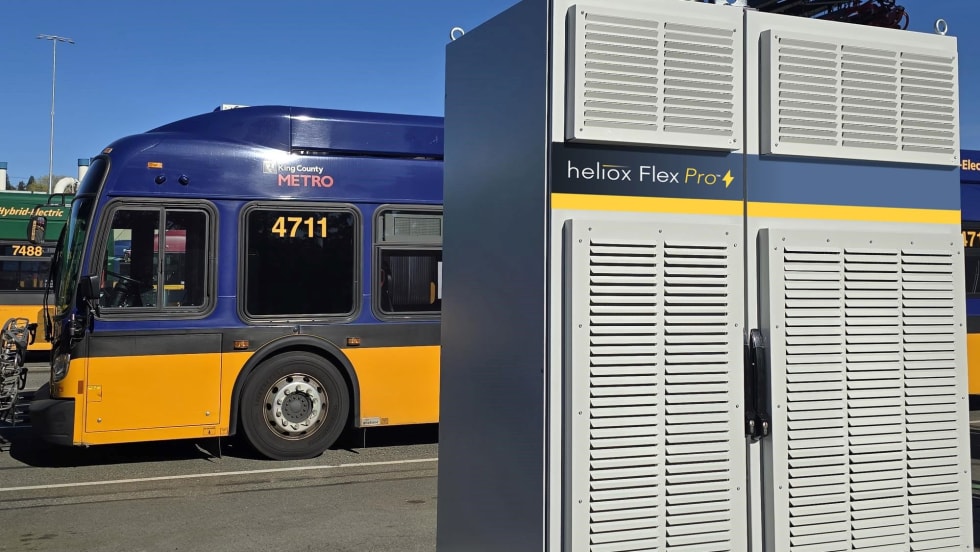
King County Test Heliox Chargers, Keolis Lands California Contract Top Biz Briefs
Stay informed with these quick takes on the projects and companies driving progress across the transportation landscape.
Read More →
Spare Expands AI-Native Operations Platform With Fixed-Route Capabilities
The launch marks a major milestone in Spare’s vision for unified transit operations.
Read More →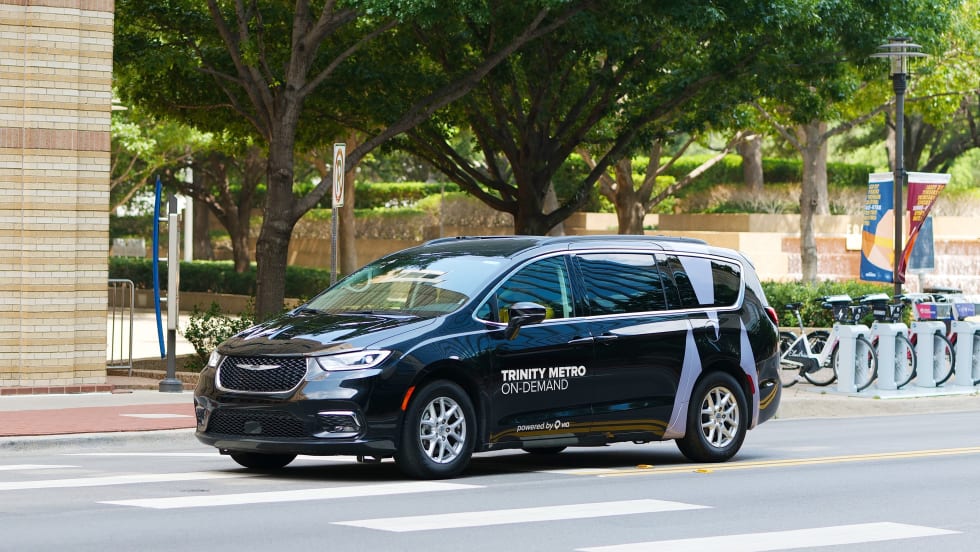
Via Announces Scheduling and Supply Studio
The Scheduling and Supply Studio provides the world’s first fully integrated platform for optimizing vehicle and driver availability to rider demand, said company officials.
Read More →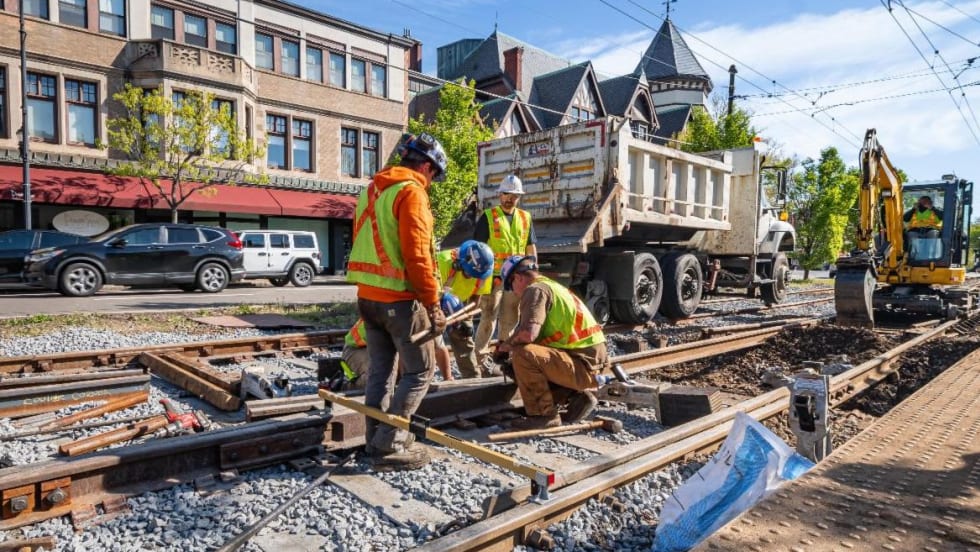
Boston's MBTA Completes Latest Green Line Work
The work took place during 12 consecutive days of shuttle bus service replacement between Kenmore and Cleveland Circle.
Read More →