



Top 100 Bus Fleets: Meeting Demand, Challenges
Implementing a fuel transition program and buying used buses are some tactics this year’s respondents are turning to.
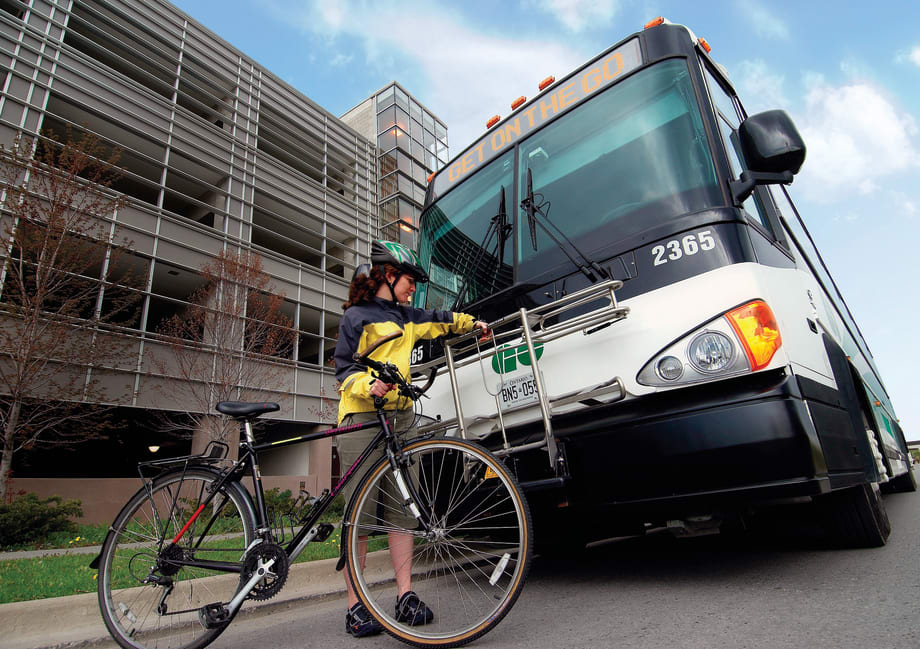
Seventy percent of transit agencies around the nation are still having a difficult time balancing rising demand for service with funding issues, however, this year’s 65,337 total fleet vehicles holds steady, with only a 135 vehicle shrinkage, compared to 2011, according to respondents to METRO’s Top 100 Transit Bus Fleets survey.
New York City Transit (NYCT) still holds the top spot with a total 4,344 vehicles. New Jersey Transit (2,395), the Los Angeles County Metropolitan Transportation Authority (2,384), Seattle’s King County Metro (1,924) and the Toronto Transit Commission (1,865) round out the top five.
Yaphank, N.Y.-based Suffolk County Transit (No. 67) and New Orleans-based Regional Transit Authority (No. 97) crack the Top 100 in 2012, while the agency formerly known as MTA Long Island Bus makes its first appearance as the Garden City, N.Y.-based Nassau Inter-County Express (No. 50).
Making lemonade
Despite the fact that respondents continue to have difficulties trying to balance rising demand with funding issues, many report they are rising to the challenge by finding ways to either be more efficient or cost conscious.
For example, No. 23, Dallas Area Rapid Transit (DART), reports it is undertaking a fuel transition program, where it will convert its current combination of diesel and liquefied natural gas (LNG) to compressed natural gas (CNG) over the next three years.
“As a result in favorable natural gas purchases, which have secured our fuel pricing through calendar year 2020, this conversion will reduce our bus motor fuel expenses by approximately 60% annually over the next eight years,” say DART officials.
In addition to purchasing more affordable used buses to help replace an aging fleet, Indianapolis’ IndyGo (No. 89) reports that when opportunities arise, it is rehabilitating or replacing facility infrastructure with “green” technology or sustainable operating practices.
Meanwhile, Phoenix-based Valley Metro (No. 16) reports that it is programming more federal 5307 funds into preventive maintenance to minimize the impacts of lacking local revenues, examining combining multi-agency operations under one operating contract for potential economy of scale and better pricing, and moving away from traditional paratransit.
Besides these innovative approaches, however, many agencies report that they are still forced to cut services or raise fares.
The numbers
A closer look at the numbers reveals 46,562 buses are 35 feet or longer; 56%, or 36,846, of the total vehicles are low-floor applications; and 8% are demand-response. This year’s Top 10 makes up 34% of the Top 100 Bus Fleet totals, growing from 2011 by 1,540 total vehicles. Overall, this year’s respondents report that they intend to order 5,879 vehicles in the next year.
Meanwhile, alternatively-propelled vehicles, at 15,906 total, make up 24% of the fleet totals reported for 2012, with natural gas — both CNG and LNG — leading the way, followed by various types of hybrid-electric vehicles. Respondents to this year’s survey report they are looking to grow their alt-fuel fleets with either natural gas or hybrid-electrics, while many agencies already ahead of the curve are looking into hydrogen fuel-cell vehicles.
With all the budget and staff cuts going on around the nation, METRO would especially like to thank all of the transit agencies for participating this year. If you know a fleet that belongs on this list or have suggestions on how to improve our future lists, please let us know.
For the full chart, click here.
More Bus

Brian Dickson on Building Stronger, More Resilient Transportation Organizations
Bus Business Consultants Founder Brian Dickson discusses the leadership principles, operational discipline, and strategic planning that separate transportation companies positioned for long-term success from those stuck in survival mode.
Read More →
LA Metro Breaks Ground on Vermont BRT Project
The 12.4-mile corridor is projected to serve 66,200 daily riders, reduce travel times by up to 24%, and create the nation's busiest bus rapid transit corridor.
Read More →
Roman Cornell on ABC Companies’ Evolution and the Future of Passenger Transportation
The company’s CEO discusses carrying forward a third-generation family legacy, ABC’s continued evolution in passenger transportation, support for increasingly complex fleets, and how technology and continued investment could help operators improve uptime.
Read More →
VIA Bus Ridership Grows 10.1% Through August 2026
San Antonio's VIA Metropolitan Transit reported the highest bus ridership growth among major Texas transit systems. Federal Transit Administration data ranked it second among the nation's 50 largest transit systems.
Read More →
LA Metro September Ridership Climbs 3.9%, Led by Rail Growth
The agency recorded more than 27.2 million boardings, with rail ridership increasing 12.4% year over year and the D Line posting the largest gains.
Read More →
Frontrunner Bus Group Introduces XF Low-Floor Bus with Enhanced Accessibility
The new mid-sized bus features a full flat-floor design, eight-inch curbside step-in height, and zero-entry rear ramp to improve passenger access and operational flexibility.
Read More →
Scenes from APTA TRANSform & EXPO 2026
Transit leaders, manufacturers, and industry professionals gathered in Chicago to explore new technologies, share ideas, and discuss the future of public transportation.
Read More →
More Than a Summer Job: Building the Next Generation of Transit Talent
The Delaware River Port Authority and PATCO have transformed their internship program into a hands-on professional development experience that introduces students to the breadth of transportation careers — and creates a pipeline for future employees.
Read More →
LA Metro Board Awards 220 Battery-Electric Bus Contract to ENC
The contract, which is the largest base award of battery-electric buses by a U.S. transit agency, will be built in Southern California, sustaining good jobs as LA prepares to welcome the world in 2028
Read More →
Public Transit Conference Returning to GFX in 2027, Call for Papers Now Open
The Call for Papers is now open, allowing transit agency professionals and industry experts to help shape the PTC educational program by submitting session ideas for consideration.
Read More →