



New Flyer, DesignLine discuss electric bus offerings
New Flyer has a contract with Chicago Transit Authority for two XE40 buses and received funding for a few Winnipeg Transit buses. Meanwhile, the ECO Smart is available in 30-, 35- and 42-foot versions.

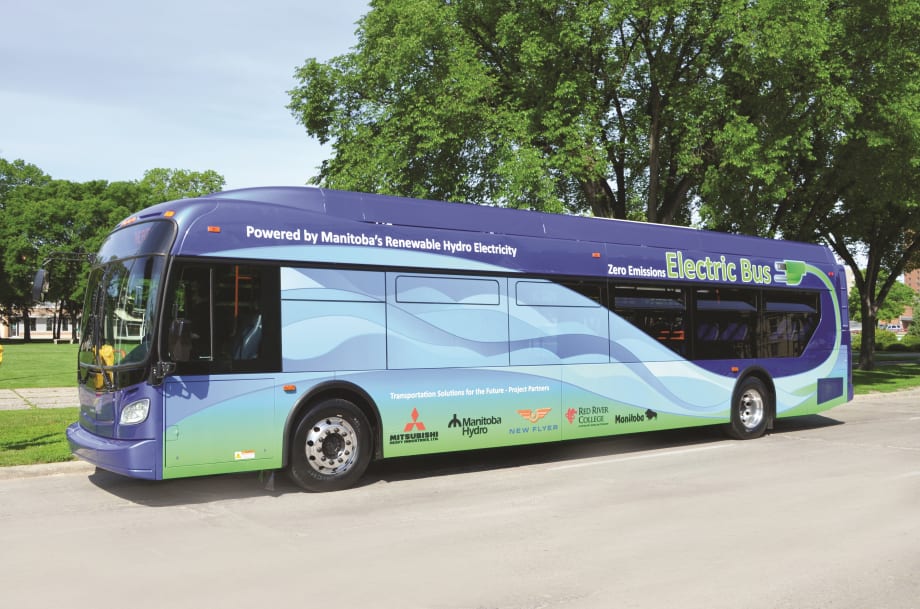
The XE40 offers all the same Xcelsior features and is more cost-effective and eco-friendly.
The XE40 offers all the same Xcelsior features and is more cost-effective and eco-friendly.
New Flyer’s Xcelsior XE40 battery electric, heavy-duty transit bus features the same platform as all its other Xcelsior products, including the air system, axles, wheels and tires, so customers get the same tried-and-true product with the added advantages of even more environmentally-friendly and cost-effective propulsion; an electronic instrument panel and LED headlights; and interior lighting, Thomas Small, director, new product development, New Flyer, says.
Another benefit to the XE40 is being able to use the same technicians that work on other Xcelsior vehicles.
Additionally, being an Xcelsior, the vehicle is inherently lighter as part of the model’s design.
New Flyer has a contract with Chicago Transit Authority for two XE40 buses and received funding for a few Winnipeg Transit buses.[PAGEBREAK]
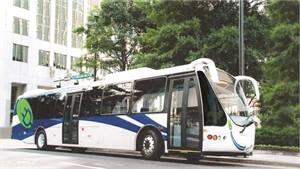
The ECO Smart is powered with recyclable sodium oxide batteries and can even be plugged into a wall outlet to recharge.
Meanwhile, since 2007, DesignLine Corp.’s all-electric ECO Smart has evolved to become nearly all-recyclable and rechargeable from just about anywhere.
The ECO Smart is powered with economical sodium oxide batteries that can be recycled. Lithium is offered as an alternative. All vehicle components, with the exception of the electronics, can be recycled.
The bus is 100% emissions-free and can be plugged into a wall outlet to recharge, getting about 100 miles between charges.
“You don’t need proprietary infrastructure to charge,” Gordon Nevison, marketing consultant, DesignLine Corp., says. “You just have to have the right voltage.” (A 400 Volt AC 3Phase plus neutral ground 100 A Circuit is required).
The system is designed for an overnight charge, but users can get a partial charge within about 30 minutes.
Many transit systems use the buses in a downtown corridor, such as Baltimore’s Charm City Circulator, to which DesignLine has supplied 13 ECO Smart vehicles. The manufacturer has also provided six vehicles to Charlotte (N.C.) Douglas International Airport and just delivered its first ECO Smart all-electric to Quebec’s Societe Transport LaVal for a $2 million pilot project.
In production, the manufacturer has an order for seven 30-foot units for Societe Transport Montreal, which will be delivered in the third quarter of 2013.
The ECO Smart is available in 30-, 35- and 42-foot versions.
More Bus

New York MTA Plans Largest Bus Fleet Upgrade in More Than a Decade
The agency is seeking manufacturers for 650 new CNG buses to replace aging vehicles, improve reliability, and advance its broader fleet modernization strategy.
Read More →
Building a Flexible Path to Transit Electrification
John Hroncich discusses BAE Systems’ modular and scalable approach, lessons learned from decades of real-world operations, and how agencies can identify electrification strategies that fit their fleets.
Read More →
Bus Tech Talk: Keeping Transit Technicians Ahead of the Technology Curve
LA Metro’s Obed Mejia discusses technician training, evolving maintenance technology, fleet replacement, and strategies for getting the most out of today’s transit fleets.
Read More →
Biz Briefs: RIPTA Unveils New Frontrunners, Clevland RTA Adds New Siemens, and More
In METRO's latest installment, we take a look at recent news from Siemens, Prevost, Dodge, and more partnerships making headlines across the transportation sector.
Read More →
People Movement: Holly Arnold Joins Transdev and More
In this edition, we also cover recent appointments and announcements at Pace, CamTran, MCI, and more, showcasing the individuals helping to shape the future of transportation.
Read More →
The High Cost of Transit Buses: Industry Leaders Look to Procurement Reform
Transit leaders and policymakers examine how standardized bus designs, streamlined procurement, and predictable funding could help agencies stretch budgets and deliver better service.
Read More →
The Business Voice Behind Public Transportation
As chair of APTA’s Business Members Board of Governors, Ray Melleady explains how more than 850 business members are partnering with transit agencies to advance funding, innovation, and industry-wide collaboration.
Read More →
From Surviving to Thriving: Building Stronger Transportation Organizations
Bus Business Consultants founder Brian Dickson shares lessons on leadership, organizational health, and creating options for long-term success in a changing transportation industry.
Read More →
Finding the ‘Happy Medium’: Optimizing Maintenance Without Sacrificing Reliability
The key to maintenance optimization isn’t doing less work—it’s doing the right work at the right time on the right assets.
Read More →
LA Metro, City of West Hollywood, and Partners Advance Smarter Bus Lane Enforcement
The award-winning partnership combines AI-powered detection with human oversight to improve bus reliability, accessibility, and enforcement efficiency.
Read More →