



Today's Transit Shelters Include Modern Trends, Traditional Looks
Some new products being incorporated into designs are security cameras and two-way audio, as well as improvement in custom branding glass and LED illuminations.
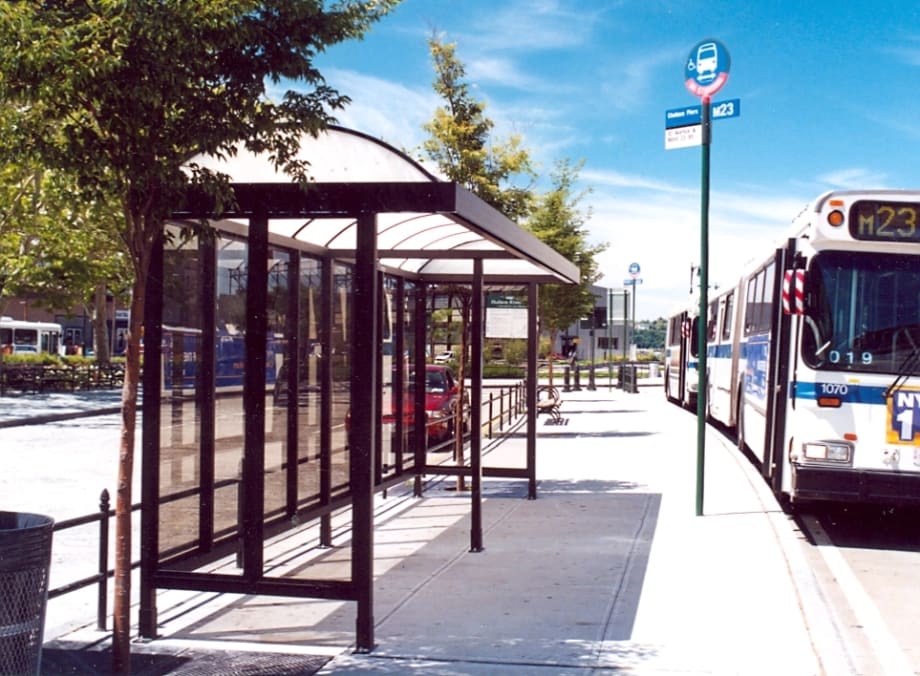
Jamaica, N.Y.-based Columbia Equipment Co. Inc. offers a wide range of traditional and modern shelter designs.
Jamaica, N.Y.-based Columbia Equipment Co. Inc. offers a wide range of traditional and modern shelter designs.
A new wave of modern visual trends has taken hold in the bus shelter design arena, but there’s still a demand for more traditional shelters from customers. Out with the old and in with the new doesn’t entirely apply to today’s demand for bus shelter design.
Arthur Cohen, president of Jamaica, N.Y.-based bus shelter manufacturer Columbia Equipment Co. Inc., says his company offers both styles to his customers for this reason.
“There are customers today who are looking for more contemporary designs and others who want the ‘old fashioned’ look, so we offer these and more,” Cohen says.
For example, a new and edgy shopping mall may request a modern looking bus shelter that fits in with their design, but they wouldn’t be interested in the traditional looking bus shelter because it’s not how they view themselves, he adds.
On the other end of the spectrum, a government agency may be looking for a more traditional style and basic format. Some newer designs may not fit into the environment and architectural theme of the agency.
Aside from tradition, Patrick Merrick, executive VP of Corona, Calif.-based transit shelter and street shelter manufacturer Tolar Manufacturing, says a newer idea being considered by his customers when designing a bus shelter is its branding capability. The shelter itself is being used as a marketable way to get an agency’s name out to anyone who may see the transit center.
“Agencies are looking always from the old traditional boxes and are recognizing the opportunity to use shelters as part of branding their agency,” he says.
Although trends and traditions are an important aspect when considering shelter design, an even more compelling reason one sways toward a particular style is the cost.
“Transit systems want a distinctive look for their community, but they also look at [it in terms of] maintenance costs,” Cohen explains.
Tolar spends a significant amount of time thinking of transit shelter costs for the client down the road by working toward purpose-driven designs that take into account saving money in future maintenance costs and replacement parts.
“If we can provide, through listening to the needs and expectations of our customers, a distinctive look that also incorporates a purpose-driven design, on time and on budget, which helps an agency grow their ridership, we have done our job,” Merrick says.[PAGEBREAK]
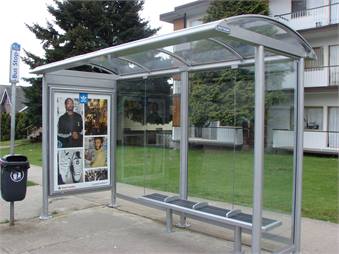
Customers now look at branding when designing bus shelters, says Patrick Merrick, executive VP, Tolar Manufacturing.
Styles and amenities
Designs are broad for Tolar Manufacturing, as they offer more than 500 different models of bus shelters when incorporating roof, wall and size options.
Some new products being incorporated into designs are security cameras and two-way audio, as well as improvement in custom branding glass and LED illuminations. Improvements are also being made in passenger information with bus stop numbers and QR codes, where customers can look at arrival information on their phones.
One of the four styles of shelters offered by Tolar is its Euro Bus Shelter line, with its European styling; Sierra models offer perforated metal options, or walls of tempered glass or Lexan; Niagara models have variety of glass treatments and wall panels; and the Signature shelter models offer a chance to customize designs unique to a particular project or community.
All of the company’s shelters can be customized to relate to distinctive elements of the specific community or project in the market for the shelter.
Columbia also provides customers with a variety of design options, which can then be individualized to fit their needs. More traditional style shelters, such as its Victorian-type shelter, popular in downtown areas and town squares, are one of the several options customers can choose from.
The company’s Multi Modular styles, which tend to be larger than the normal bus shelter and needed for high-traffic areas, such as bus stations, are also available.
Other styles offered by Columbia include advertising shelters, train station shelters, special color shelters and popular standard styles, which tend to be cost effective.
Columbia starts with the basic setup of bus shelters and builds from there into any direction the customer wants to go. The company uses aluminum as the basic framing material for its designs because it has a higher strength-to-weight ratio than steel and doesn’t rust. He adds that aluminum is available in a wider range of finishes and colors than other materials. It can also be extruded in complicated shapes that would result in fewer parts, less joints, is more weather resistant and has a nicer appearance.
In addition, Columbia offers a choice of roof designs so customers can choose a design that is aesthetically compatible with their various locations.
Although designs and trends change with the times, as they also have with technological advances, the original criteria used for the design of bus shelters is still applicable in the industry today. Designs should be modular and available in a variety of different configurations to accommodate different types of site conditions, Cohen says. Also, shelters have to be shipped in highly prefabricated subsections. This will ease shipping, handling and installation by crews to locations where shelters would eventually be shipped.
Cohen adds that there’s a simple way of knowing that a bus shelter design is a success and the job was done right.
“If it makes the customers switch to mass transit or just makes the commute more comfortable, then we have met our goal,” he says.[PAGEBREAK]
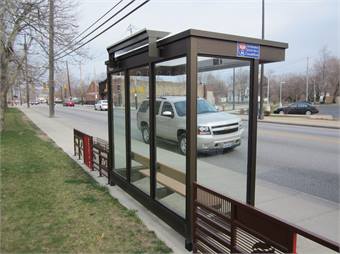
Urban Solar Corp. creates solar power LED lighting solutions.
Environmental Considerations
Although reducing costs and finding a design that fits in with the environment are key factors that influence shelter selection, the most recent demand in bus shelters are for those that are environmentally friendly.
To that end, Urban Solar Corp. designs and manufactures solar power LED lighting solutions for the public transit and outdoor advertising industries, including bus shelters. Jeff Peters, company president, says his products are created with environmental friendliness in mind.
“Hand-in-hand with public transit's environmentally-friendly practices, solar lighting further reduces the agency's/municipality's carbon footprint by delivering a safe environment for passengers, while displacing the need to trench and use conventional electricity from the grid,” says Peters.
He adds that most agencies are including solar lighting with all new shelters. Older shelters are also being upgraded to include solar-powered LED lighting as well, which are some of the ways agencies are attempting to reduce a shelter’s environmental impact.
Cohen says Columbia was thinking about the environment before it was even a trend. The company started bus shelter design in 1961, and Cohen’s choice of basic framing material, aluminum, is recyclable. He adds that with guidance, eco-friendly elements can be incorporated into a design in a way that works.
At Tolar, the majority of shelters are powder coated, which emits minimal VOCs (volatile organic compounds) into the air and allows for a wide range of color applications. Bench platforms using co-mingled plastic and other recycled material are common, and Tolar also uses recyclable aluminum.
More Bus
Brian Dickson on Building Stronger, More Resilient Transportation Organizations
Bus Business Consultants Founder Brian Dickson discusses the leadership principles, operational discipline, and strategic planning that separate transportation companies positioned for long-term success from those stuck in survival mode.
Read More →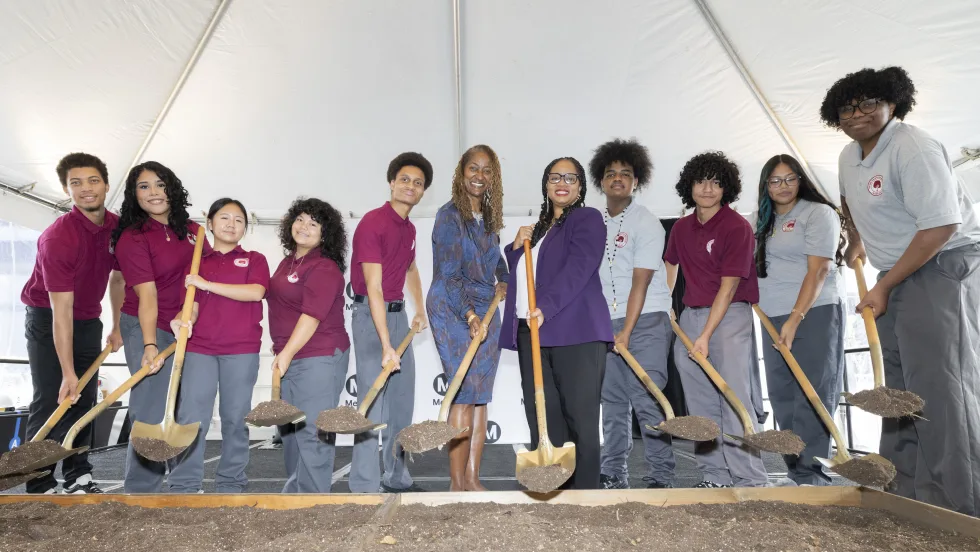
LA Metro Breaks Ground on Vermont BRT Project
The 12.4-mile corridor is projected to serve 66,200 daily riders, reduce travel times by up to 24%, and create the nation's busiest bus rapid transit corridor.
Read More →
Roman Cornell on ABC Companies’ Evolution and the Future of Passenger Transportation
The company’s CEO discusses carrying forward a third-generation family legacy, ABC’s continued evolution in passenger transportation, support for increasingly complex fleets, and how technology and continued investment could help operators improve uptime.
Read More →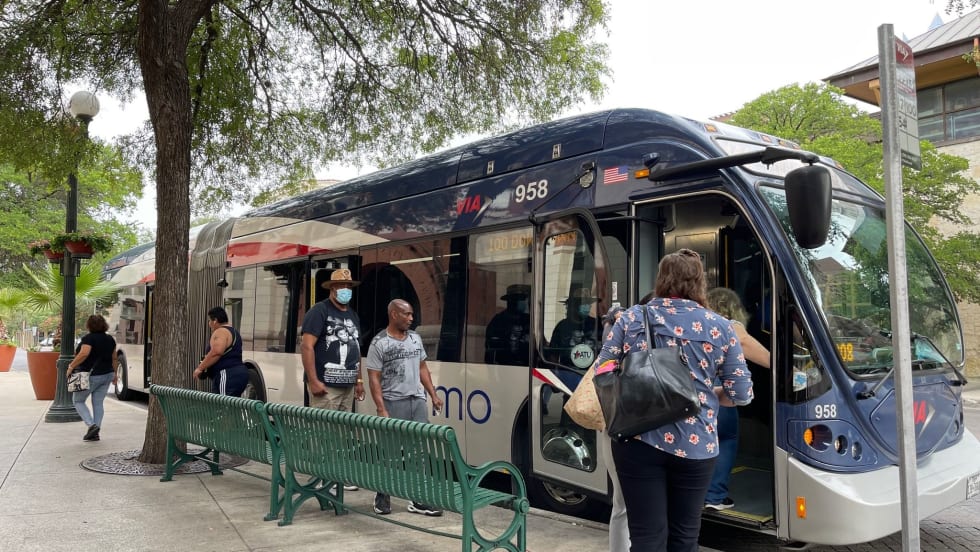
VIA Bus Ridership Grows 10.1% Through August 2026
San Antonio's VIA Metropolitan Transit reported the highest bus ridership growth among major Texas transit systems. Federal Transit Administration data ranked it second among the nation's 50 largest transit systems.
Read More →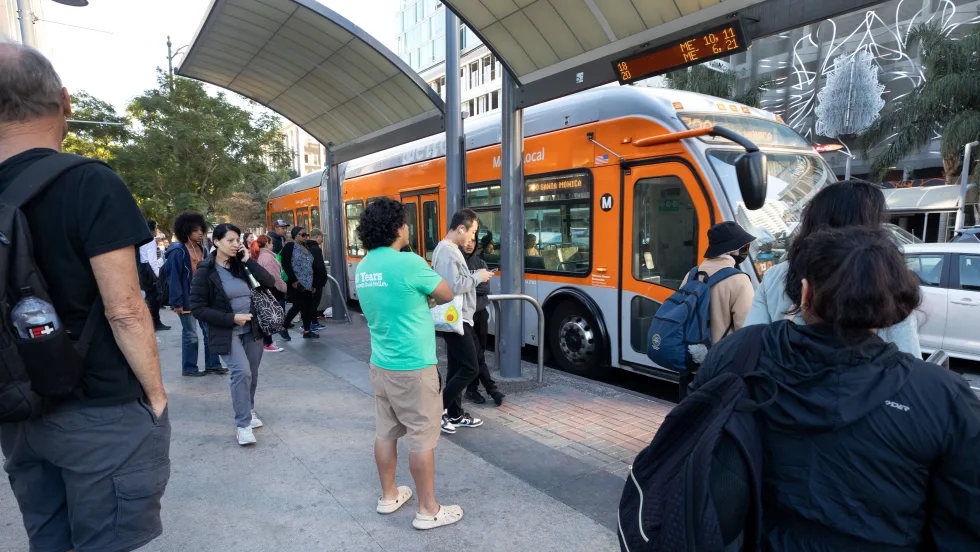
LA Metro September Ridership Climbs 3.9%, Led by Rail Growth
The agency recorded more than 27.2 million boardings, with rail ridership increasing 12.4% year over year and the D Line posting the largest gains.
Read More →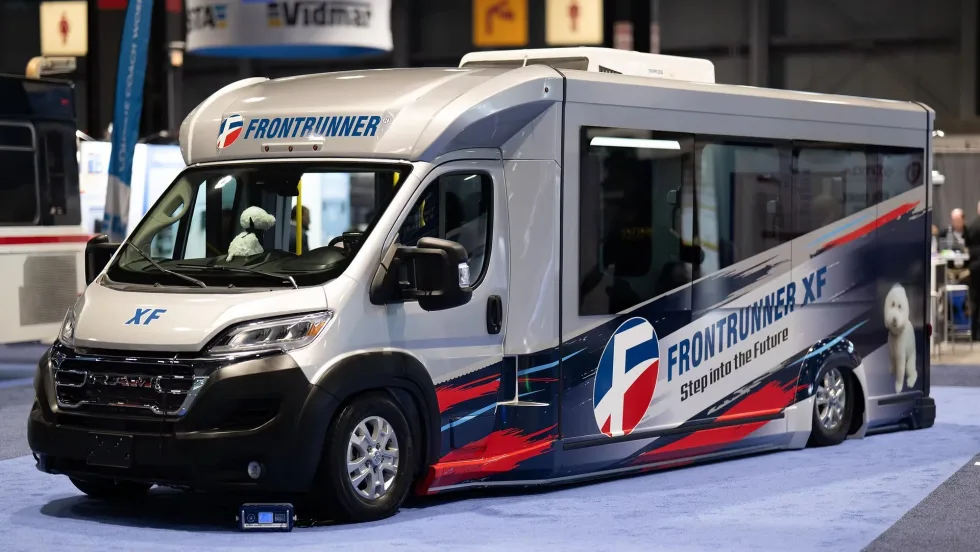
Frontrunner Bus Group Introduces XF Low-Floor Bus with Enhanced Accessibility
The new mid-sized bus features a full flat-floor design, eight-inch curbside step-in height, and zero-entry rear ramp to improve passenger access and operational flexibility.
Read More →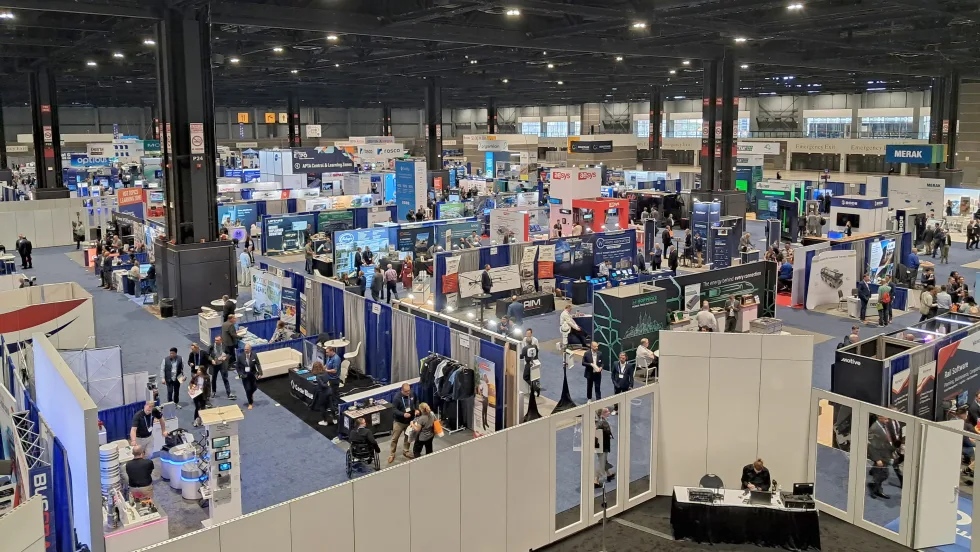
Scenes from APTA TRANSform & EXPO 2026
Transit leaders, manufacturers, and industry professionals gathered in Chicago to explore new technologies, share ideas, and discuss the future of public transportation.
Read More →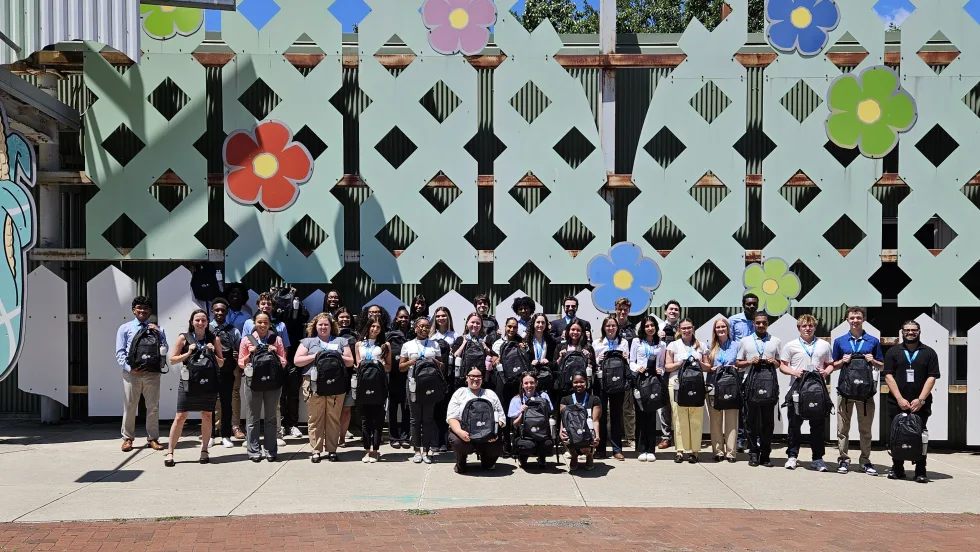
More Than a Summer Job: Building the Next Generation of Transit Talent
The Delaware River Port Authority and PATCO have transformed their internship program into a hands-on professional development experience that introduces students to the breadth of transportation careers — and creates a pipeline for future employees.
Read More →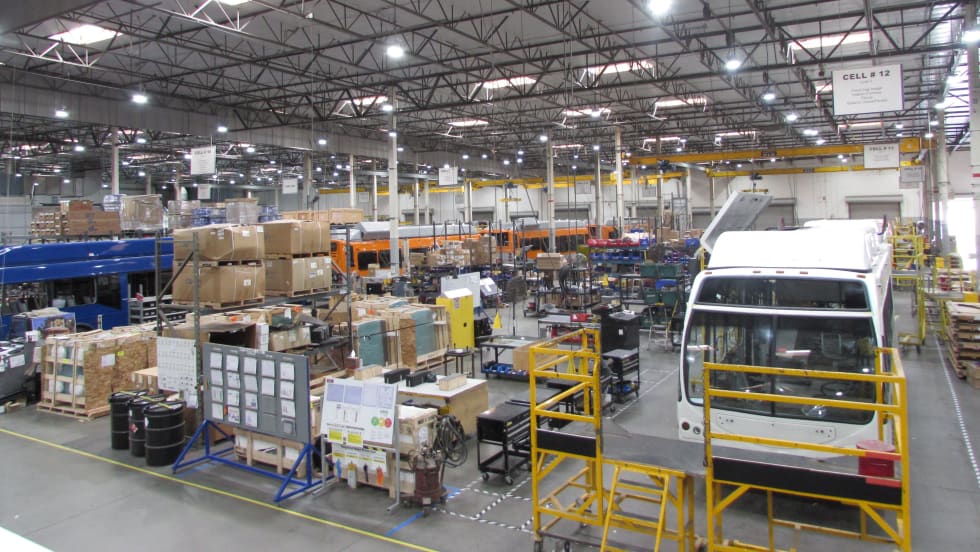
LA Metro Board Awards 220 Battery-Electric Bus Contract to ENC
The contract, which is the largest base award of battery-electric buses by a U.S. transit agency, will be built in Southern California, sustaining good jobs as LA prepares to welcome the world in 2028
Read More →
Public Transit Conference Returning to GFX in 2027, Call for Papers Now Open
The Call for Papers is now open, allowing transit agency professionals and industry experts to help shape the PTC educational program by submitting session ideas for consideration.
Read More →