



Toronto Transit Continues Award-Winning Suicide Prevention Program
The Crisis Link advertisement campaign in subway cars and on platforms aims to remove the stigma around mental health issues and encourages people contemplating suicide to reach out for help without feeling embarrassed or ashamed.



The Toronto Transit Commission (TTC) renewed its award-winning suicide prevention program, which it started in partnership with crisis intervention agency Distress Centres in 2011, through July 2018.
The TTC and the Distress Centres extended an agreement to continue the Crisis Link program, which provides platform pay phones near the designated waiting area on each subway that connect people in distress and contemplating suicide with a Distress Centres counselor. Crisis Link calls are free.
When a TTC customer calls Crisis Link from one of the pay phones, a counselor with the Distress Centres can track where on the TTC the call is coming from. The counselor then determines whether the caller is in danger of harming themselves. If they are, the Distress Centres notifies the TTC’s transit control center where subway trains are slowed when entering that station and help for the caller is dispatched.
Since Crisis link was introduced, the Distress Centres have received 218 calls from individuals in distress. Of those, 12% of callers were considered to have suicidal thoughts that required action by the TTC and police. The Distress Centres have handled an average of 2.75 incidents per month of people contemplating suicide on the transit system. No person has ever attempted suicide on the transit system immediately after speaking with a Crisis Link counselor, according to agency officials.
While it is difficult to make a definitive correlation between the reduction of suicide incidents and the Crisis Link program, in 2010, the year prior to Crisis Link implementation, there were 29 suicide incidents on the system, according to the TTC. In 2011, 16 suicide incidents were reported. In 2012, there were 19 suicide incidents, and to date, there have been nine suicide incidents on the transit system in 2013.

TTC’s Crisis Link suicide prevention program provides on each subway platform pay phones that connect people in distress and contemplating suicide with a counselor.
The agency trains frontline employees on how to identify customers who may be at risk of self-harm — exhibiting behavior such as prolonged crying and pacing on the subway platform — and how to respond, Ryan Duggan, team leader fire safety and emergency planning, TTC, explained.
“If a subway operator suspects a customer is at risk, they must call the transit control center, [which] will institute a slow order, requiring the train to move at a walking pace through the station,” he added.
Personnel are also trained on how to enter into a discussion with the passenger directly.
Feedback solicited from TTC employees shows that they feel one of the program’s strengths is the advertisement campaign in the subway cars and on the platforms, Duggan said.
“It attempts to remove the stigma around mental health issues and encourages people contemplating suicide to reach out for help without being embarrassed or ashamed,” he added.
In 2012, Crisis Link won a Corporate Leadership Award from the Canadian Urban Transit Association. The TTC was also the 2011 recipient of the Arnold Devlin Community Service Award, presented by the Ontario Association for Suicide Prevention.
The budget for the five-year program extension is $536,000, according to Duggan, and the TTC has spent approximately $247,000 on the Crisis Link program since 2011.
He noted the program’s expense prevents the costs associated with a suicide, which extend well beyond the incident, including, “most importantly, the physical and psychological short- and long-term effects it has on our customers and employees, but also loss of service, operation of shuttle buses during incident closure and investigation.”
“We feel that if the program has resulted in one life being saved, the amount of money spent will have been justified,” Duggan added.
More Management
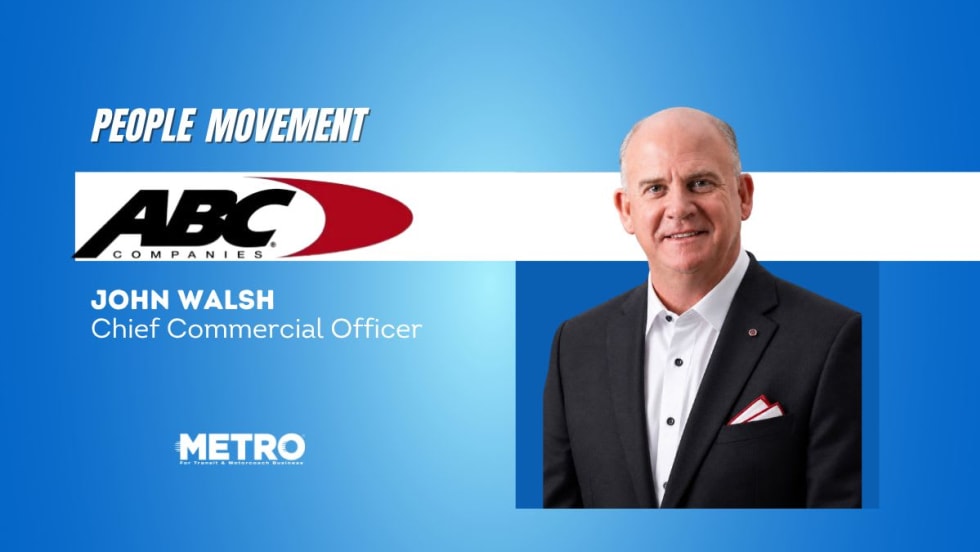
People Movement: ABC Names John Walsh as Chief Commercial Officer
In this edition, METRO also covers recent appointments and announcements at the DART, STV, and more, showcasing the individuals helping to shape the future of transportation.
Read More →
From Surviving to Thriving: Building Stronger Transportation Organizations
Bus Business Consultants founder Brian Dickson shares lessons on leadership, organizational health, and creating options for long-term success in a changing transportation industry.
Read More →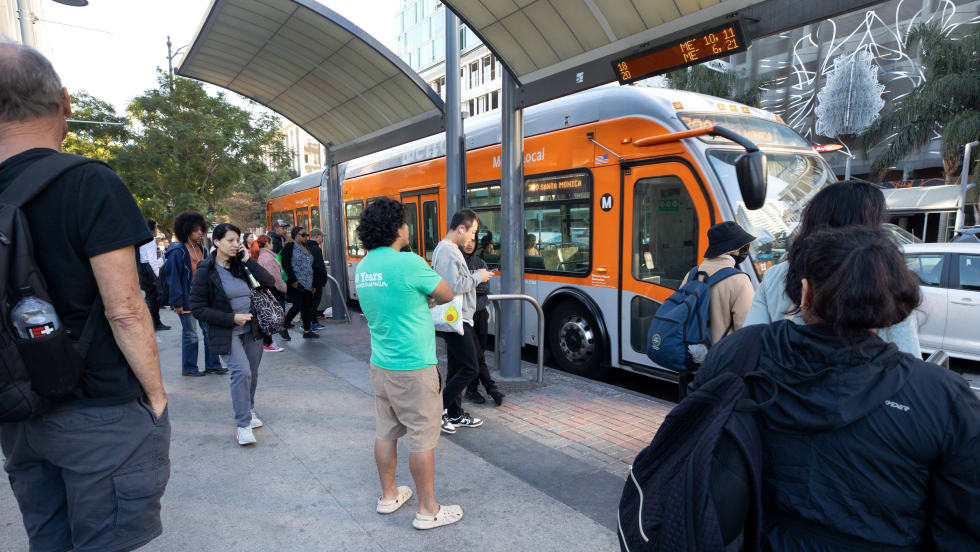
LA Metro Ridership Continues Growth as Rail Gains Accelerate
New rail connections and major events help drive continued ridership gains, with Metro recording its eighth consecutive month of year-over-year rail growth.
Read More →
TransDASH Summit Focuses on Measuring What Matters in Transit
Transit agencies unveil a national performance platform designed to benchmark customer experience, safety, community value, and other outcomes.
Read More →
Jacksonville’s NAVI Project Charts a New Course for Autonomous Public Transportation
Through its NAVI program, JTA is showing how autonomous vehicles, intelligent infrastructure, and coordinated operations can work together to deliver everyday public transportation.
Read More →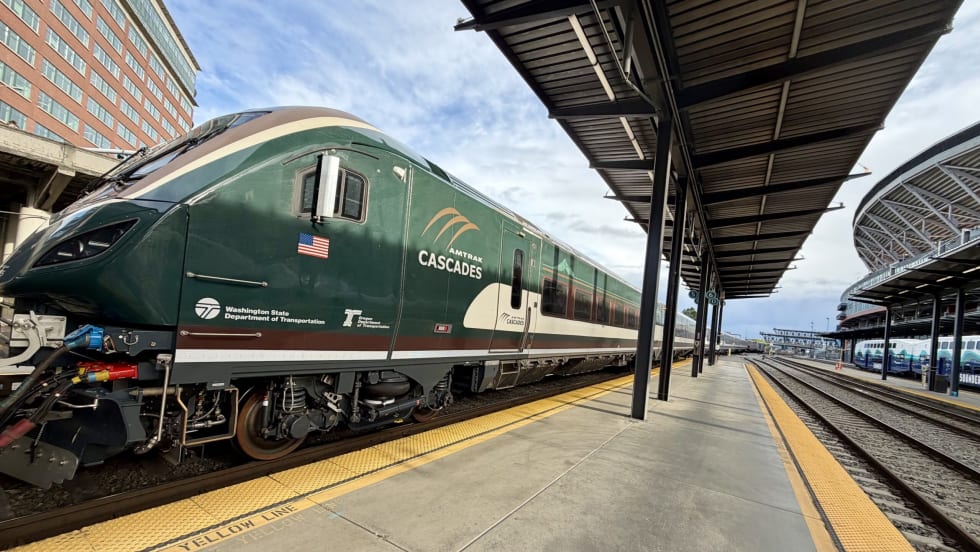
FRA Announces $5.3B in Rail Investments, Including $2B for Amtrak
Funding will support grade-crossing improvements, infrastructure upgrades, and new Amtrak equipment in 23 states.
Read More →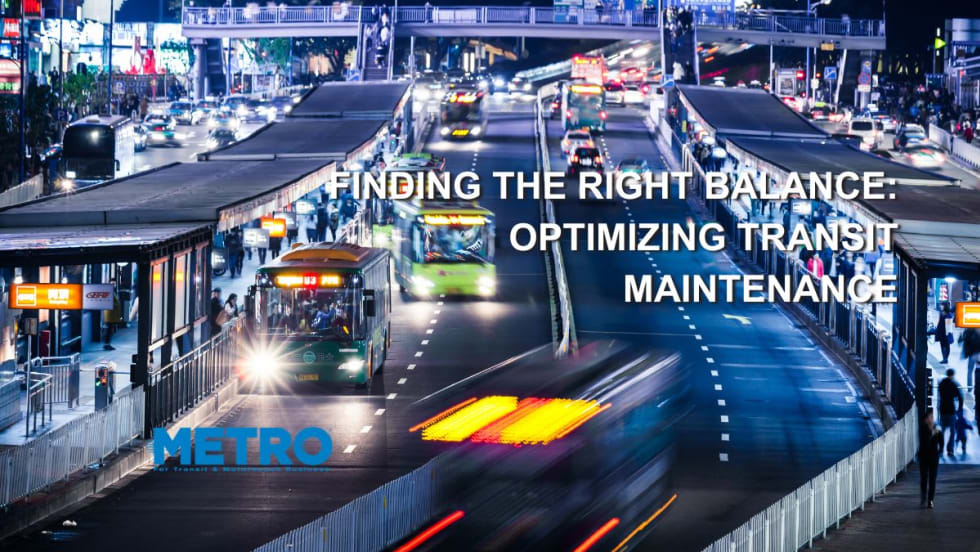
Finding the ‘Happy Medium’: Optimizing Maintenance Without Sacrificing Reliability
The key to maintenance optimization isn’t doing less work—it’s doing the right work at the right time on the right assets.
Read More →
People Movement: MARTA Drops Interim Tag on GM/CEO Hunt and More
In this edition, METRO covers recent appointments and announcements at the FMCSA, HDR, SilverRide, and more, showcasing the individuals helping to shape the future of transportation.
Read More →
VIA Metropolitan Transit Reports 2 Million More Passenger Trips as Better Bus Plan Gains Momentum
San Antonio's transit agency said accelerated service improvements are driving ridership growth, offering another example of how increased frequency and workforce investments can translate into stronger transit performance.
Read More →
ABAF Study Reveals Growing Insurance Crisis for Motorcoach Operators
Preliminary findings show 98% of operators faced premium increases over the past five years, while shrinking insurer participation is putting added pressure on businesses and customers.
Read More →