



2013 GM Survey: Funding, Politics Top Challenges
Advertising is again the most-used method of generating revenue (81%). Forty-one percent raised fares, while 33% tapped public-private partnerships to bolster their coffers.
Transit systems reporting budget shortfalls has stayed steady at 59% for 2013, according to METRO’s Annual GM Survey. And, as expected, funding is the number one challenge faced by transit executives, with 38% reporting. Dealing with politics is the second-highest reported challenge at 13%.
Raising fares, cutting service and delaying projects are the top three tactics used to mitigate budgetary issues. Rising costs such as health care are being met with various tactics including developing wellness programs and having employees shoulder more insurance costs, while agencies are locking in fuel prices to curb fuel costs.
Advertising is again the most-used method of generating revenue (81%). Forty-one percent raised fares, while 33% tapped public-private partnerships to bolster their coffers. New revenue streams added to the list included joint development (21%), benefit assessments (11%) and developer impact fees (3%).
Like last year, the profile of our survey respondents was overwhelmingly male, with 81% reporting. The average number of years in the industry is 24, while the highest number of people (32%) report working between 31 to 40 years in public transit. The average operating budget was $230 million, while the average salary came to $125,000.
The average annual salary was $124,000, with the highest listed as $299,000 and the lowest was $31,000. Although the numbers have crept up slightly, women still have a lower average salary ($110,000) compared to men ($124,000). Sixty percent of participants say they are paid fairly and 71% do not ride their systems to work. Governmental/public affairs take up a majority of transit executives’ time (41%), while handling personnel (15%) and operational issues (13%) are time eaters as well.
Ridership is up for most at 59%, with only 3% reporting a drop. Smart cards, real-time arrival systems and automatic vehicle locators top the list of technologies being considered. Only 2% of participants cite keeping up with technology as a daily challenge.
This year, we asked transit execs what they like about their jobs. Here are some responses: “Every day is different;” “the ability to solve transportation issues;” “providing service that directly affects quality of life for many residents;” and “interaction with employees.”
To view the article as published, click here.
More Bus
Brian Dickson on Building Stronger, More Resilient Transportation Organizations
Bus Business Consultants Founder Brian Dickson discusses the leadership principles, operational discipline, and strategic planning that separate transportation companies positioned for long-term success from those stuck in survival mode.
Read More →
LA Metro Breaks Ground on Vermont BRT Project
The 12.4-mile corridor is projected to serve 66,200 daily riders, reduce travel times by up to 24%, and create the nation's busiest bus rapid transit corridor.
Read More →
Roman Cornell on ABC Companies’ Evolution and the Future of Passenger Transportation
The company’s CEO discusses carrying forward a third-generation family legacy, ABC’s continued evolution in passenger transportation, support for increasingly complex fleets, and how technology and continued investment could help operators improve uptime.
Read More →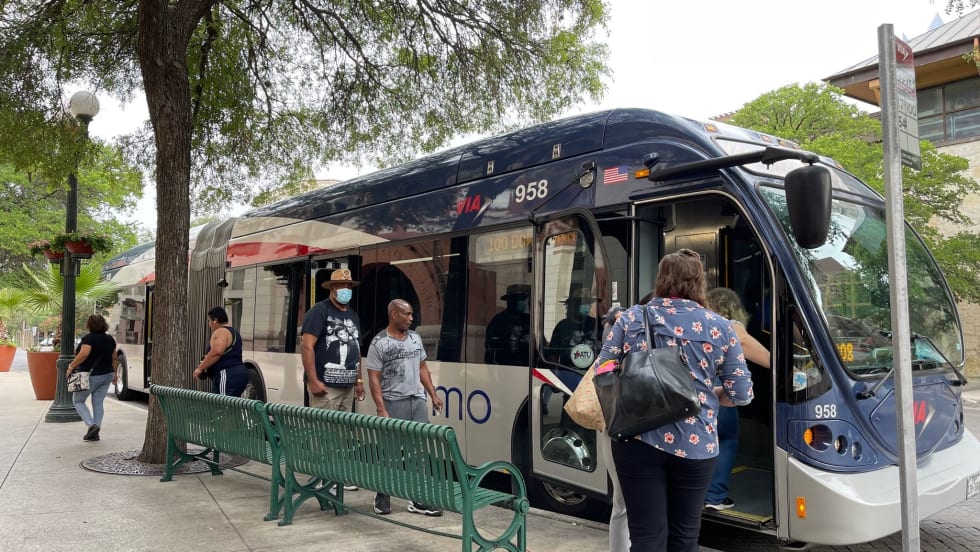
VIA Bus Ridership Grows 10.1% Through August 2026
San Antonio's VIA Metropolitan Transit reported the highest bus ridership growth among major Texas transit systems. Federal Transit Administration data ranked it second among the nation's 50 largest transit systems.
Read More →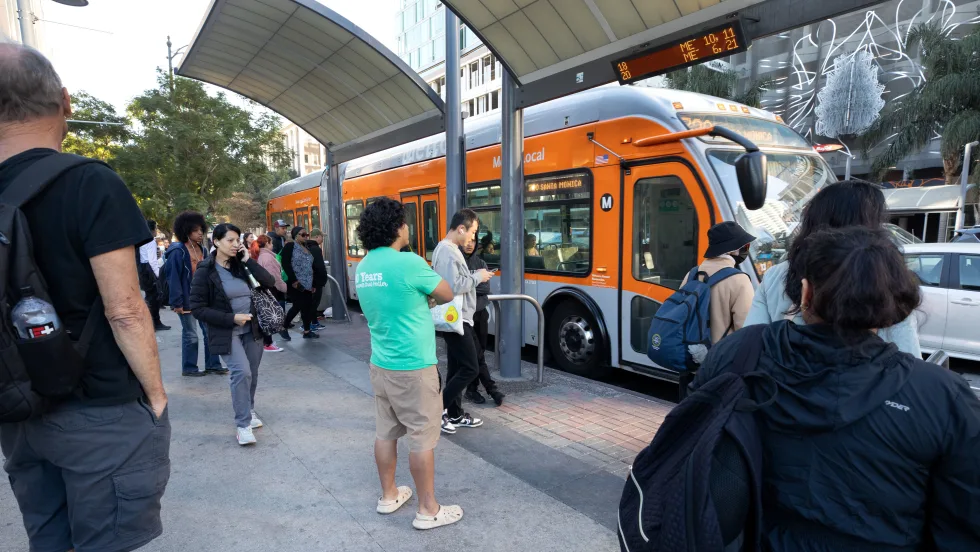
LA Metro September Ridership Climbs 3.9%, Led by Rail Growth
The agency recorded more than 27.2 million boardings, with rail ridership increasing 12.4% year over year and the D Line posting the largest gains.
Read More →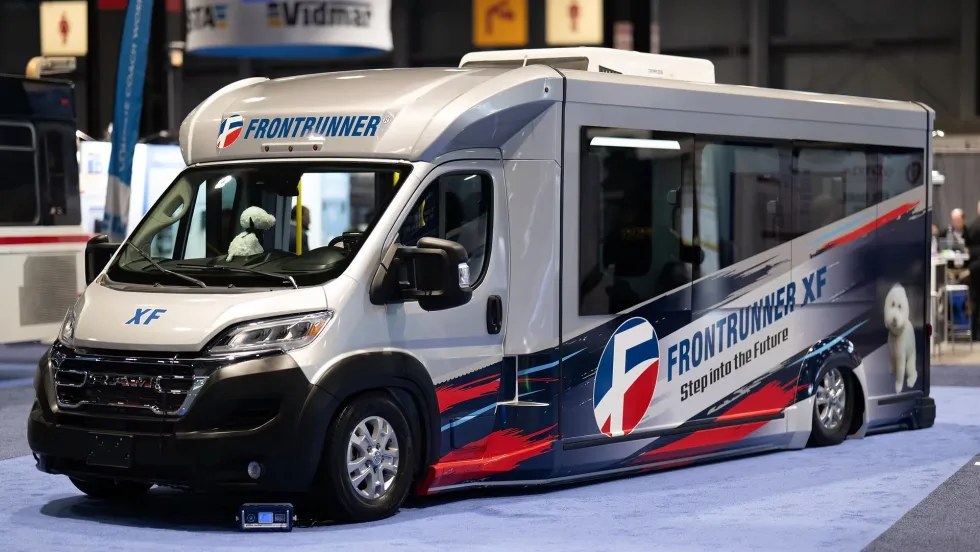
Frontrunner Bus Group Introduces XF Low-Floor Bus with Enhanced Accessibility
The new mid-sized bus features a full flat-floor design, eight-inch curbside step-in height, and zero-entry rear ramp to improve passenger access and operational flexibility.
Read More →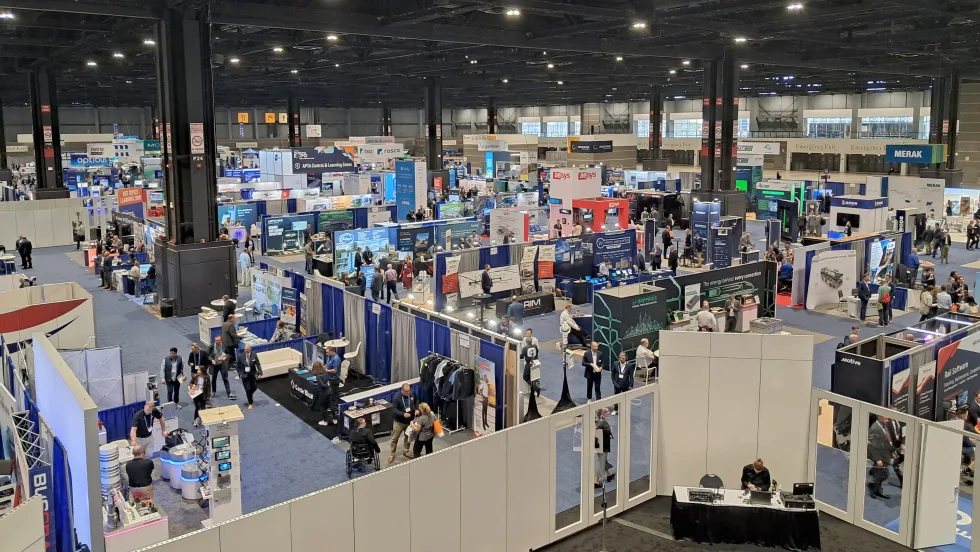
Scenes from APTA TRANSform & EXPO 2026
Transit leaders, manufacturers, and industry professionals gathered in Chicago to explore new technologies, share ideas, and discuss the future of public transportation.
Read More →
More Than a Summer Job: Building the Next Generation of Transit Talent
The Delaware River Port Authority and PATCO have transformed their internship program into a hands-on professional development experience that introduces students to the breadth of transportation careers — and creates a pipeline for future employees.
Read More →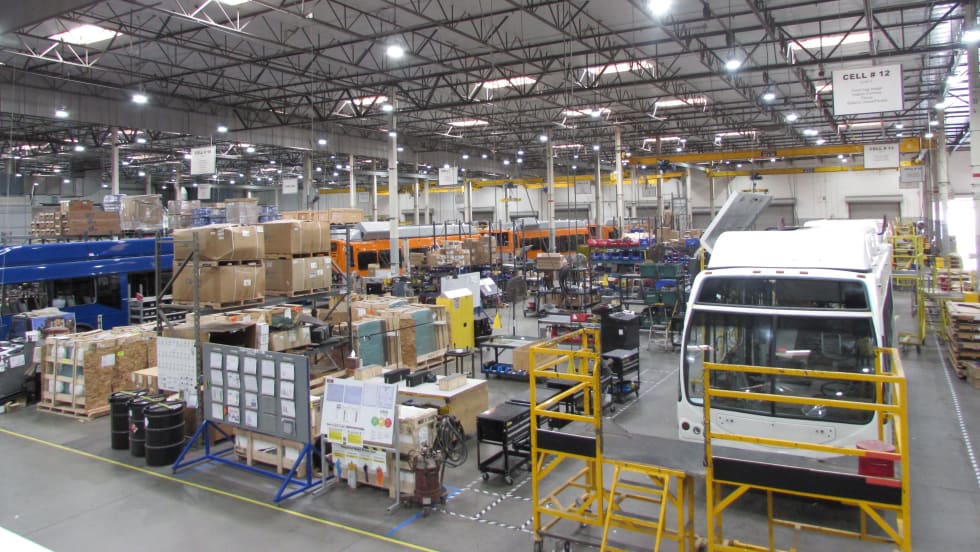
LA Metro Board Awards 220 Battery-Electric Bus Contract to ENC
The contract, which is the largest base award of battery-electric buses by a U.S. transit agency, will be built in Southern California, sustaining good jobs as LA prepares to welcome the world in 2028
Read More →
Public Transit Conference Returning to GFX in 2027, Call for Papers Now Open
The Call for Papers is now open, allowing transit agency professionals and industry experts to help shape the PTC educational program by submitting session ideas for consideration.
Read More →