



2014 Bus Maintenance Survey: Technician Staffing, Training Issues Grow
METRO’s annual Bus Maintenance Survey sees a growth in workforce issues compared to the first three installments, while more than 60% of the agencies who responded say they are buying more parts because they have to hold onto buses longer.
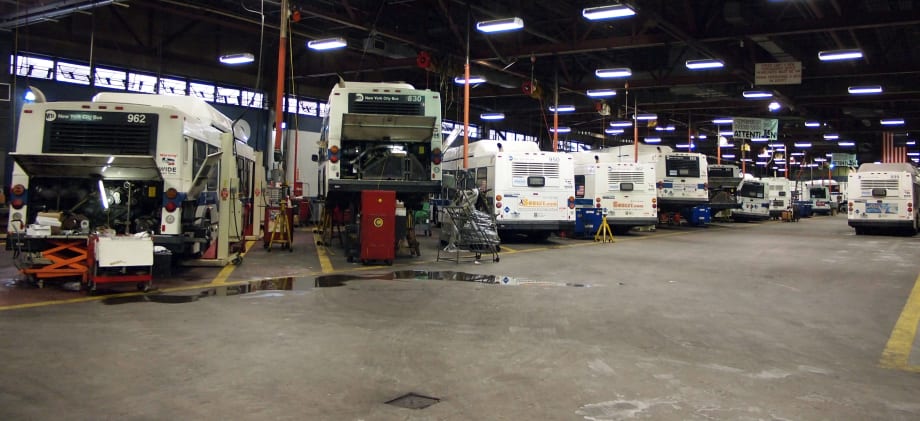
As lack of dedicated federal funding and state and local issues continue to take their toll on public transportation budgets, 64% of respondents to this year’s METROBus Maintenance Survey say they are buying more parts due to aging fleets.
Meanwhile, electrical (issues/training) remains the number one issue in maintenance shops throughout the U.S. and Canada for the second year in a row, with training and staffing each jumping into the top five as turnover rates continue to grow due to retirement.
Diesel remains the top type of vehicle propulsion for many fleets, while many continue to explore the usage of alternative propulsion, including hybrid-electric, natural gas, biodiesel and propane.
When asked what questions an agency should ask when exploring the possibility of adding alternatively-propelled vehicles, the top answers were “What are the true costs associated with implementation?” “What is the actual range of the vehicles?” and “What maintenance issues did you experience?”
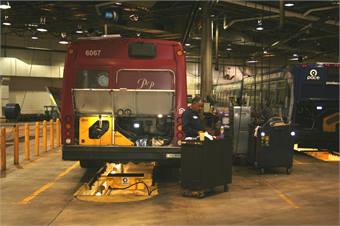
Diesel remains the top type of vehicle propulsion for many fleets, while many continue to explore the usage of alternative propulsion.
For the fourth year, METRO sent out its survey to even more maintenance shops, spanning a wide demographic consisting of large metropolitan to small and rural transit agencies as well as university-focused systems. Questions covered topics ranging from fleet size to average age of their fleet, hours of training provided per year and how that training is delivered, and the top issues in their shops to what parts they buy most often.
Agencies varied in fleet size, with the largest maintaining 2,300 buses and the smallest 26, with the mean boasting a fleet of 285 buses. Meanwhile, respondents’ salary levels ranged from a high of $170,000 to a low of $65,000, with the mean earning $93,000.
To view the full story as it appeared, click here.
More Bus

People Movement: Dan Dipert Coaches Adds Third-Generation Leader, Keolis Names New Valley Metro VP/GM, and More
In this edition, we also cover recent appointments and announcements at the Wabtec, SilverRide, HNTB, and more, showcasing the individuals helping to shape the future of transportation.
Read More →
New York MTA Plans Largest Bus Fleet Upgrade in More Than a Decade
The agency is seeking manufacturers for 650 new CNG buses to replace aging vehicles, improve reliability, and advance its broader fleet modernization strategy.
Read More →
Building a Flexible Path to Transit Electrification
John Hroncich discusses BAE Systems’ modular and scalable approach, lessons learned from decades of real-world operations, and how agencies can identify electrification strategies that fit their fleets.
Read More →
Bus Tech Talk: Keeping Transit Technicians Ahead of the Technology Curve
LA Metro’s Obed Mejia discusses technician training, evolving maintenance technology, fleet replacement, and strategies for getting the most out of today’s transit fleets.
Read More →
Biz Briefs: RIPTA Unveils New Frontrunners, Clevland RTA Adds New Siemens, and More
In METRO's latest installment, we take a look at recent news from Siemens, Prevost, Dodge, and more partnerships making headlines across the transportation sector.
Read More →
People Movement: Holly Arnold Joins Transdev and More
In this edition, we also cover recent appointments and announcements at Pace, CamTran, MCI, and more, showcasing the individuals helping to shape the future of transportation.
Read More →
The High Cost of Transit Buses: Industry Leaders Look to Procurement Reform
Transit leaders and policymakers examine how standardized bus designs, streamlined procurement, and predictable funding could help agencies stretch budgets and deliver better service.
Read More →
The Business Voice Behind Public Transportation
As chair of APTA’s Business Members Board of Governors, Ray Melleady explains how more than 850 business members are partnering with transit agencies to advance funding, innovation, and industry-wide collaboration.
Read More →
From Surviving to Thriving: Building Stronger Transportation Organizations
Bus Business Consultants founder Brian Dickson shares lessons on leadership, organizational health, and creating options for long-term success in a changing transportation industry.
Read More →
Finding the ‘Happy Medium’: Optimizing Maintenance Without Sacrificing Reliability
The key to maintenance optimization isn’t doing less work—it’s doing the right work at the right time on the right assets.
Read More →