



As the oil spills, did more pumps get dumped?
APTA's decision to partner with two major environmental nonprofits — The Sierra Club and the Natural Resources Defense Council — for Dump the Pump Day made the point that driving less or ditching one’s car altogether is critical for the health of our environment. With the BP oil spill fiasco all over the news, I’m wondering if more Americans were motivated to ditch their cars for Dump the Pump Day this time around.

With the BP oil spill fiasco all over the news, I’m wondering if more Americans were motivated to ditch their cars for Dump the Pump Day this time around. I know that it has personally made me even more aware of my fuel consumption, mainly for driving, and I am hoping that more transit providers participated and that this year the campaign resonated with more people.
The American Public Transportation Association’s decision to partner with two major environmental nonprofits —The Sierra Club and the Natural Resources Defense Council — for the annual campaign made the point that driving less or ditching one’s car altogether is critical for the health of our environment. Whether we choose to seek them out or not, many of us do have reasonable, affordable transportation choices. We can do more every day to protect our environment and prevent tragedies similar to what’s happening in the Gulf of Mexico right now.
In addition, the recent release of a U.S. Department of Transportation (DOT) Federal Highway Administration report showing that both bicycling and walking trips increased 25 percent since 2001 appears to be a sign that Americans are moving closer to driving less and embracing public transportation. It wasn’t just the recession or gas prices soaring; we were stepping up use of our alternative transit options even when the economy was good.
In response, U.S. Transportation Secretary Ray LaHood announced a policy change to promote bicycle and pedestrian opportunities that encourage transportation agencies to go beyond minimum standards and provide safe and convenient facilities for pedestrians and bicyclists.
Whether walking or biking, most of us need to incorporate a bus or train route into our daily commute, so public transit will become increasingly crucial as this trend grows. I personally experienced the need for transit in my brand-new bike commute this week as I hit some unanticipated — and steep — hills. Factoring in a bus route for part of the way would have been more efficient and prevented the aching muscles I experienced for a couple of days afterward.
So, are you seeing this trend play out at your agency? Are there more bikers getting on board? Are you seeing fewer cars in your park-and-ride lots and garages? Are you working with any biking groups on plans to further accommodate these commuters? How was your Dump the Pump Day turnout?
More Blog Posts
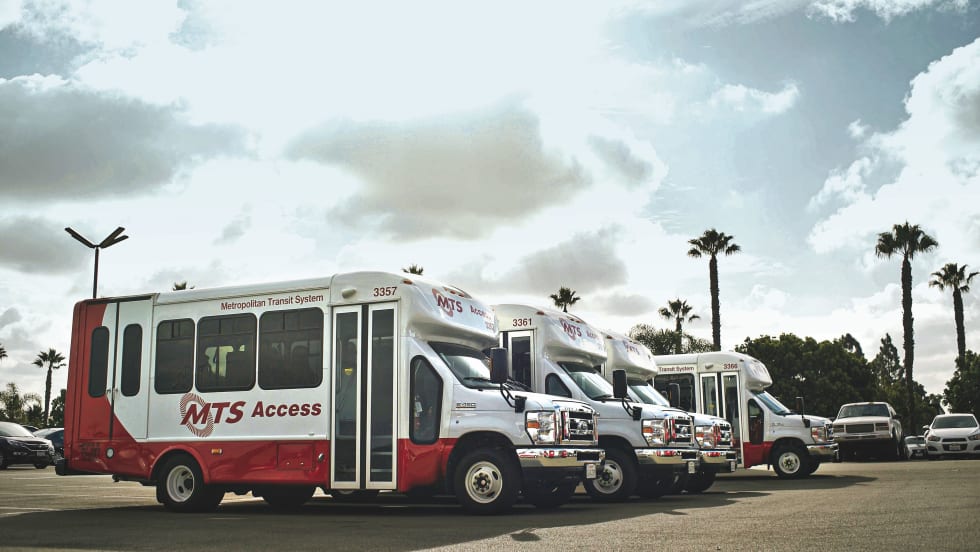
How Propane is Keeping EVs on the Road
Propane-powered EV charging offers reliability and scalability without sacrificing emissions goals.
Read More →
2022 Bringing Renewed Energy
Having already been on the road for a couple of conferences, both folks in the public transit and motorcoach sectors have a lot of optimism the ship is starting to correct itself, and it’s good to see all the energy out on the show floors and in the halls.
Read More →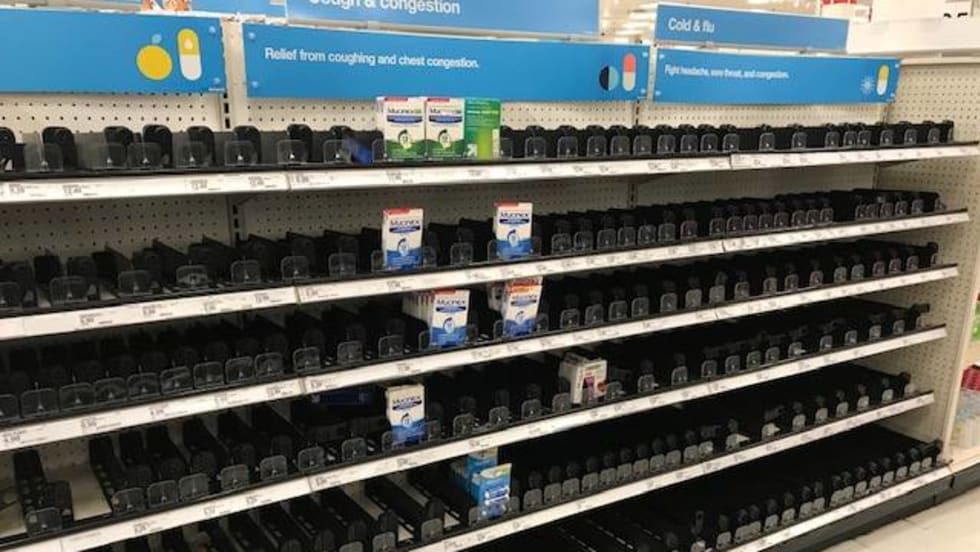
Have you thanked your 'essential' service worker today?
When panic surrounding the coronavirus began to ramp up in my area, I’ll admit, I was right there with everyone else stockpiling up...
Read More →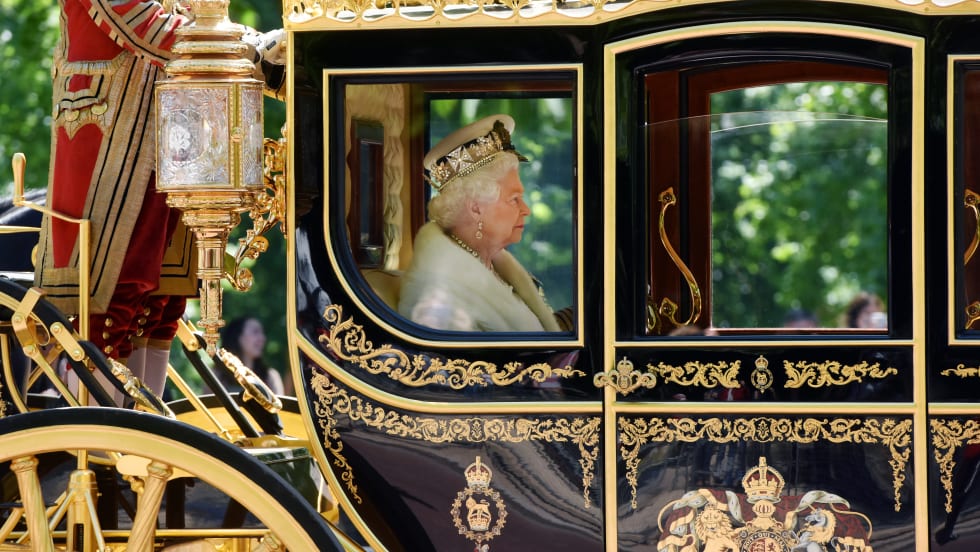
Leadership should ride transit — 'just like us'
Recently, media outlets in Boston were all atwitter when Massachusetts Gov. Charlie Baker was spotted riding the T.
Read More →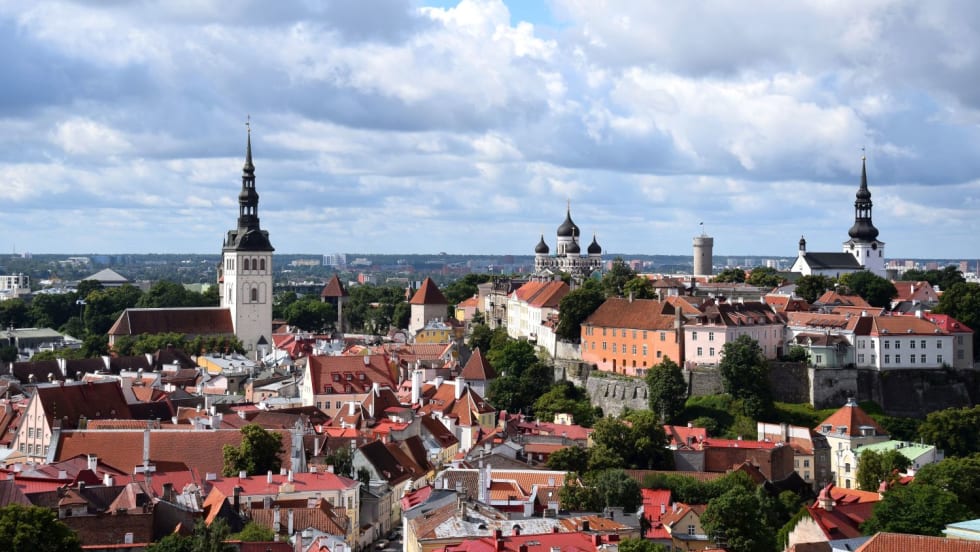
Transit can no longer ignore the benefits linked to offering free fares
Six years ago, Tallinn, the capital of Estonia, became “the world's first" to introduce free public transport for all its residents.
Read More →
Safeguard my personal data — our democracy depends on it
“Cities and private companies must take steps to safeguard data and ensure that individual privacy — a foundation of democratic society — is protected.”
Read More →
Fighting against human trafficking is everyone's duty
U.S. traffickers have been shown to use all modes of transportation to find their next victims. Initiatives are being placed to combat trafficking and empower operators to act.
Read More →
Focusing on ‘abilities’ gives those with disabilities a ‘sense of purpose’
I recently learned about a program offered by Transport for London that provides “people with mild to moderate learning disabilities and those on the autism spectrum the chance to gain skills and work experience.”
Read More →
Come Together to Shut Down the Shutdown, Fund a Transit Bill
As I write this, we are a few days away from another potential government shutdown if negotiations on border security are not hammered out.
Read More →
New Year, New Hopes for the Motorcoach Industry
Hiring and retaining drivers is the greatest challenge facing motorcoach operators, according to 70% of respondents of METRO Magazine's 2019 Motorcoach Survey. The public transit industry is not immune to this issue either.
Read More →