



Are ‘Automatics’ a part of your bus operator training program?
Curb jumping. Heavy braking. Excessive speed. Dangerous action. These words are sometimes utilized and documented by training bus instructors when evaluating a trainee. Having these words appear early on in a training program is not rare; it’s when the training nears its end and these words are still being used on the trainee’s evaluation forms that should cause concern.

Curb jumping. Heavy braking. Excessive speed. Dangerous action. Do these words sound familiar? They should.
These words are sometimes utilized and documented by training bus instructors when evaluating a trainee. Having these words appear early on in a training program is not rare; it’s when the training nears its end and these words are still being used on the trainee’s evaluation forms that should cause concern.
Let me emphasize that early on in the training it’s common to use these terms. Seeing these words appear as the training nears its final days is a different story and not favorable to the trainee. When any of these are done on the final training day, they must result in an automatic disqualification and termination/resignation of the trainee, as this identifies a potentially unsafe operator and disqualifies them before they ever get to operating in passenger service. That’s the role of every instructor: to not allow an unsafe trainee to advance beyond the training bus and be placed in passenger service. To do this, a set time limit in which to qualify and advance from the training bus must be in place. Training one forever “until they get it” is a dangerous practice. Once the allotted training days are exhausted, that’s it, it’s over!
Although some trainees will need more training than others, any additional training should be within the set amount of days allotted within the program. As an example, let’s use a 10-day training program. (Depending on your training curriculum, just substitute the maximum number of days that you would be comfortable with to use as your final day of training.) Front-loading the training with only driving and withholding any classroom work until a washout has occurred of those unable to satisfactorily advance from the driving portion is the way to go. Why waste training dollars and resources on classroom work if not all will pass the driving portion? First determine who can qualify with the driving portion, then once that is determined, schedule classroom activities. Classroom activities now become meaningful, knowing the trainees have advanced beyond the driving portion. Some of us have it backwards. Get out of the classroom and behind the wheel!
The seven and 10 days of training that I refer to in the following paragraph can be adjusted to whatever fits your program. The objective will be to show how to keep additional training within and not exceed the total days of your training program.
Using seven days, and provided that the required curriculum needed to advance can be completed in seven days, having a two-tier advancement opportunity after day seven or day 10 allows those who “get it” quicker than others the opportunity to separate themselves from the training bus after the seventh day of training. Those trainees needing additional training would then get an additional three days for a maximum of 10 days. The trainees would have to qualify or resign or be terminated on the 10th and final day due to not acquiring the skills within the allotted 10 days. Any “extra” days a trainee may need must be built into the 10 days and not exceed them. There must be a cut-off. In this case, 10 days of training and no more. Consider Day 10 a “show me” day. Remember, the seven and 10 days that I refer to are just examples.
“Automatics” that will result in termination/resignation of the trainee should be agreed upon by the instructional staff, and regardless of which instructor a trainee is assigned, doing any of the above “Automatics” on the final day of training would result in a non-debatable decision and taken out of the hands of the instructors. The trainee would have disqualified themselves.
Trainees must be aware that doing any of the “Automatics” on their final day of training will disqualify them. You don’t want a trainee who is still demonstrating these unsafe actions to go anywhere near passenger service. Releasing them at the completion of training saves a potential collision and/or pedestrian incident from occurring. Instructors that are consistent in utilizing “Automatics” to disqualify a trainee before making the mistake of advancing them into passenger service are satisfying their moral obligation to provide the safest operators possible.
What do you tolerate late in training and on the final “Show Me” day? Take a look and see if those taking longer to qualify were involved in an incident sooner than those trainees who qualified earlier. You might be surprised. Agree on “Automatics” and stay consistent.
More Blog Posts
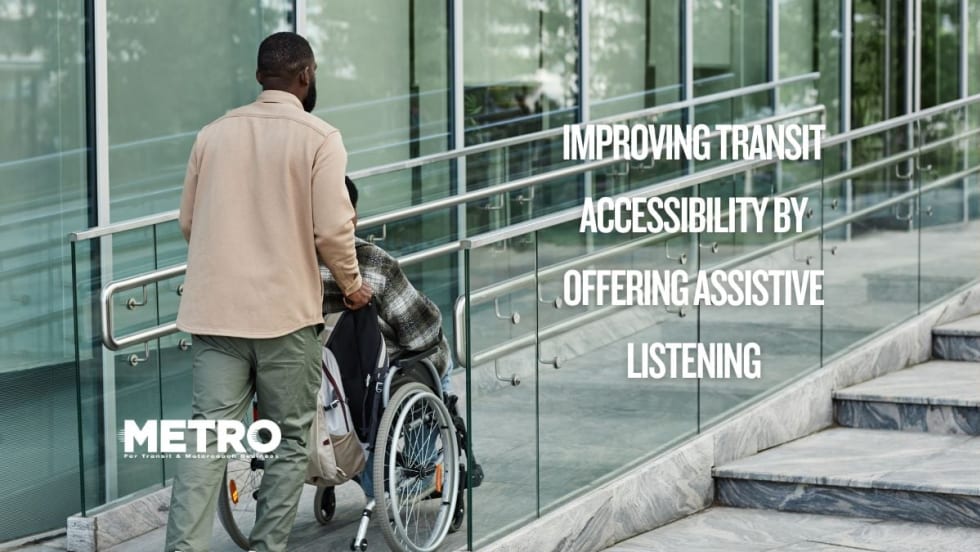
Improving Transit Accessibility by Offering Assistive Listening
Did you know that there are literally tens of millions of people worldwide with hearing loss, many of whom will use some form of public transit at some point?
Read More →
35 Years of the ADA, Making Travel Easier for Seniors
Thirty-five years after the passage of the Americans with Disabilities Act of 1990 (ADA), the impact of this landmark piece of civil rights legislation cannot be overstated.
Read More →
Driving Performance with Purpose: How I Lead One of Greyhound’s Top Teams
Safety, on-time performance, and customer experience are critical elements in intercity bus operations. But getting them right doesn’t come down to plans or protocols alone. It comes down to execution. How well your team performs on the ground, in real time, is what defines success.
Read More →
Navigating Emerging Privacy Laws: A Call to Action for Service Providers in Mass Transit
With Data Privacy Day Jan. 28, I want to spotlight a critical challenge faced by service providers in the mass transit sector: managing personal information responsibly in an era of rapidly evolving privacy regulations.
Read More →
Human Trafficking Awareness: What Public Transportation Can Do?
January is National Slavery and Human Trafficking Prevention Month in the U.S., and January 11 is National Human Trafficking Awareness Day.
Read More →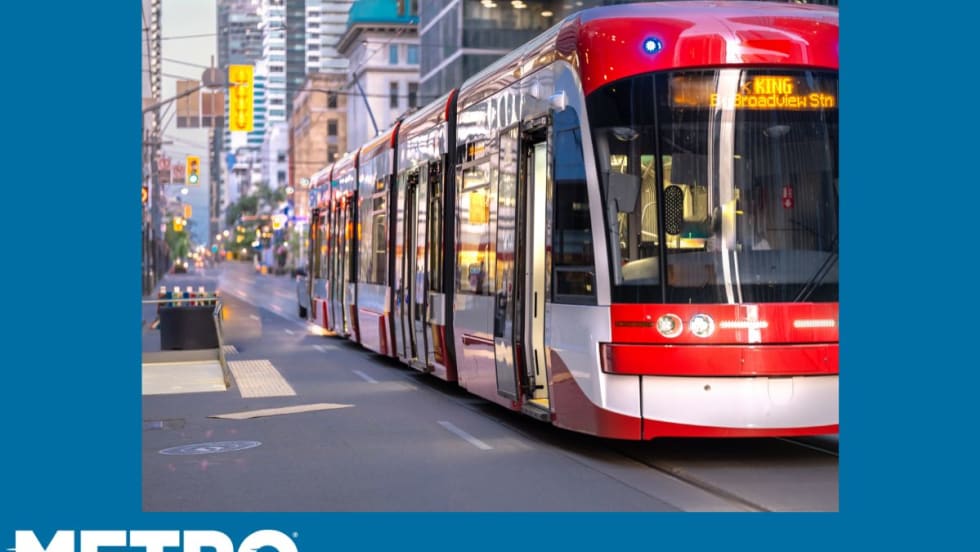
Want to Improve Transit Safety and Operations? Break Down the Silos
Retrieving and reviewing data and video can be a cumbersome process for fleet managers. Each system or tool provides a piece of the puzzle, but seeing the complete picture requires tedious manual synchronization.
Read More →
Ensuring Public Transit Cybersecurity Through Robust Protective Measures
In today’s highly connected world, cybersecurity is of utmost importance, particularly for transportation agencies overseeing transit bus systems that rely increasingly on sophisticated technologies, including the use of data analytics in traffic signal networks, to manage and operate their systems.
Read More →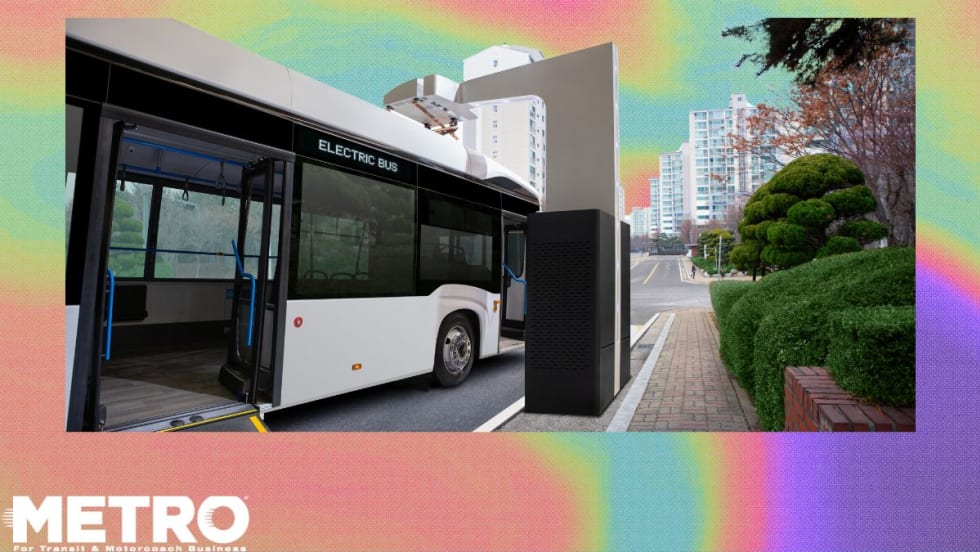
How Advances in Thermal Management Revolutionize Urban Mobility
In the daily hustle and bustle of city life, transit buses serve as the backbone of urban transportation, allowing millions of city dwellers to get from point A to point B each day reliably.
Read More →
The Evolution of Bus Design
Thirty years ago, drivers not only had to drive the bus and navigate heavy traffic, but they were also responsible for tasks like supervising passenger loading and unloading, selling tickets, and providing passengers with various kinds of information, all while sitting in an often ill-fitting workstation.
Read More →
What 'Transit Safety 101' Really Means
Safety, Safety, Safety. This word is used repeatedly, and in many contexts, without most people understanding what it actually means.
Read More →