



Sharing information for the good of safe operations
I have taken much pleasure during my 33 years in transit to see the unselfish sharing among transit training professionals. There are many opportunities each year to be part of this information sharing/gathering. You can start by researching the various industry conferences, workshops, etc. — a couple of great ones are listed below — and attending them.

It's hard to believe that another year is upon us. I have already begun to plot out this year's transit events for sharing information associated with both bus operator and bus simulator training.
I have taken much pleasure during my 33 years in transit to see the unselfish sharing among transit training professionals. There are many opportunities each year to be part of this information sharing/gathering. You can start by researching the various industry conferences, workshops, etc. — a couple of great ones are listed below — and attending them. Many times, some suggestion or training strategy offered by one person in attendance is just the answer for someone who is trying to solve the same problem.
During the course of my presentations to large groups, I have come to believe that they are some of the most exciting and inspiring events for transferring critical information regarding bus operator training and safety. Large group presentations are an excellent time to unveil new training concepts and strategies. There is a distinct feel and energy to the room that cannot be duplicated in any other setting.
This year, I have the distinct honor of making presentations at two of the most prestigious transit events in the country — the National Transit Institute's Transit Trainers' Workshop in April, and the American Public Transportation Association Bus and Paratransit Conference in May.
My NTI presentation will outline how to infuse new operators with a solid core curriculum in under 13 hours, at a time when some agencies might be devoting 40-plus hours to this training.
This presentation defines a training process that starts — and stays — on the bus until students are able to demonstrate operational proficiency. The session concludes by examining the sudden rise in left side bus/pedestrian incidents and describes how proper training remains our best defense against this alarming trend. A highlight of these large group presentations is the encouragement of audience members to present their safety concerns.
The APTA presentation focuses on standardizing curriculum with specific criteria to increase your agency's efficiency. The lack of a standardized curriculum and a set time limit makes it impossible to determine whether the identical protocols and techniques being taught to all students and whether those students are learning the material.
If you are considering attending a conference or a workshop this year and interested in getting involved in the discussion on the above topics, please consider attending:
"Add Meaning to the Classroom - Begin on the Training Bus"
National Transit Institute - TTT Workshop
April 10-12, 2011 - Tampa, Fla.
"Increase Effectiveness with a Criterion-Based, Standardized Curriculum"
APTA - Bus & Paratransit Conference,
May 22 - 25, 2011 - Memphis
In case you missed it...
Read our latest METRO editor blog on the quiet car revolution here.
More Blog Posts

Improving Transit Accessibility by Offering Assistive Listening
Did you know that there are literally tens of millions of people worldwide with hearing loss, many of whom will use some form of public transit at some point?
Read More →
35 Years of the ADA, Making Travel Easier for Seniors
Thirty-five years after the passage of the Americans with Disabilities Act of 1990 (ADA), the impact of this landmark piece of civil rights legislation cannot be overstated.
Read More →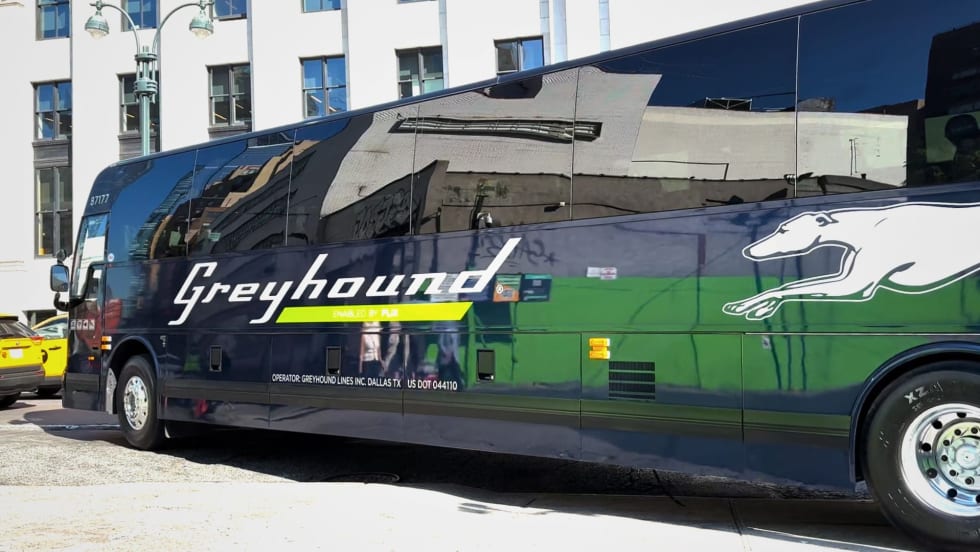
Driving Performance with Purpose: How I Lead One of Greyhound’s Top Teams
Safety, on-time performance, and customer experience are critical elements in intercity bus operations. But getting them right doesn’t come down to plans or protocols alone. It comes down to execution. How well your team performs on the ground, in real time, is what defines success.
Read More →
Navigating Emerging Privacy Laws: A Call to Action for Service Providers in Mass Transit
With Data Privacy Day Jan. 28, I want to spotlight a critical challenge faced by service providers in the mass transit sector: managing personal information responsibly in an era of rapidly evolving privacy regulations.
Read More →
Human Trafficking Awareness: What Public Transportation Can Do?
January is National Slavery and Human Trafficking Prevention Month in the U.S., and January 11 is National Human Trafficking Awareness Day.
Read More →
Want to Improve Transit Safety and Operations? Break Down the Silos
Retrieving and reviewing data and video can be a cumbersome process for fleet managers. Each system or tool provides a piece of the puzzle, but seeing the complete picture requires tedious manual synchronization.
Read More →
Ensuring Public Transit Cybersecurity Through Robust Protective Measures
In today’s highly connected world, cybersecurity is of utmost importance, particularly for transportation agencies overseeing transit bus systems that rely increasingly on sophisticated technologies, including the use of data analytics in traffic signal networks, to manage and operate their systems.
Read More →
How Advances in Thermal Management Revolutionize Urban Mobility
In the daily hustle and bustle of city life, transit buses serve as the backbone of urban transportation, allowing millions of city dwellers to get from point A to point B each day reliably.
Read More →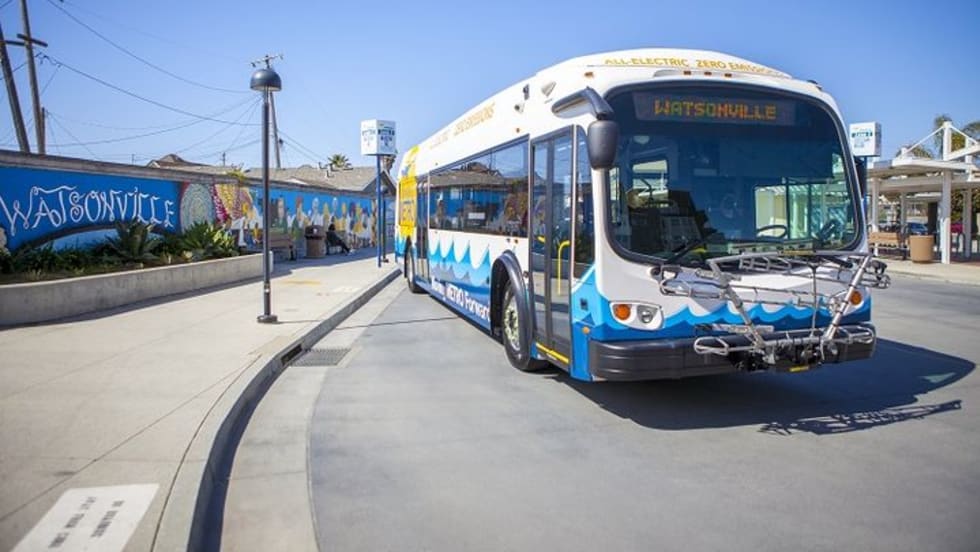
The Evolution of Bus Design
Thirty years ago, drivers not only had to drive the bus and navigate heavy traffic, but they were also responsible for tasks like supervising passenger loading and unloading, selling tickets, and providing passengers with various kinds of information, all while sitting in an often ill-fitting workstation.
Read More →
What 'Transit Safety 101' Really Means
Safety, Safety, Safety. This word is used repeatedly, and in many contexts, without most people understanding what it actually means.
Read More →