



Bus operators and cyclists, keeping an eye on each other
Several months ago I was asked to provide my opinion regarding the use of the horn by bus operators around bicyclists. Some advocate groups were concerned that more can be done with bus operators with regard to bicycle safety training. Some were of the opinion that the use of the horn is perceived by bike riders as an unfriendly gesture and it is a signal from the bus operator to “get out of my way”.

With summer upon us here in the Northeast, bike ridership in our urban areas will increase, so I thought the timing was right to speak on this matter.
Several months ago I was asked to provide my opinion regarding the use of the horn by bus operators around bicyclists. Some advocate groups were concerned that more can be done with bus operators with regard to bicycle safety training. Some were of the opinion that the use of the horn is perceived by bike riders as an unfriendly gesture and it is a signal from the bus operator to “get out of my way.”
One of the most common complaints from cyclists is that honking is actually unsafe because it startles them and it is unnecessary because they “know the bus is there.” Bus operators never assume that they are seen by the cyclist; therefore the horn is an important tool and a necessity to alert cyclists that the bus is approaching. Obviously a cyclist moving against traffic toward the bus would know. This is a very dangerous situation for both cyclist and bus operator due to the possibility of someone opening a driver’s side door as the cyclist approaches which will cause the cyclist to either steer or be knocked to the right into the oncoming bus.
In passing situations, the bus operator should never assume that the cyclist is aware of the bus’s presence. Covering the brake first followed by a “timely” tap of the horn once in proximity of the cyclist is a start. Some were reluctant to agree to that and now are trying to come up with a “friendly audible” or a creative way that the bus driver can signal to a cyclist that they are approaching without necessarily using the horn. Well with both vehicles (bus/cyclist) moving, I don’t know how creative one can get. A bus audible may startle pedestrians; a flash of the high beams to alert a cyclist when a bus is approaching will send a different message to motorist and create another problem. The dilemma was coming up with wording that all would agree on, but that seemed to have become an item of contention.
The use of the horn should never be perceived as a threat. “Horn Language” is what I call it. There is the long aggressive abusive horn that is comparable to someone verbally “screaming” at you. This should be reserved for a situation where that action can be the difference between contact between the cyclist and the bus. If my last option is to startle someone into seeing and stopping as opposed to hitting them, so be it. Then there is the more favorable shorter friendlier toot, that is saying “excuse me, I just want you to be aware that I’m approaching you and I want to ensure that we both go home to our families tonight, so let's get through this.” “Get out of my way,” is not an option.
One transit agency I know of utilized their bus simulator to allow both sides to see what each is up against as both parties need to respect each other's road presence. A scenario was created which placed cyclists in unfavorable positions alongside and to the rear of the bus so they were able to get a better understanding of what bus operators are dealing with. Bus operators were then exposed to what a cyclist is up against. This was a huge success.
If you are a transit agency with a bus simulator, think about an open house and open your doors to cyclist advocate groups. Share your concerns. Sometimes walking in someone else’s shoes pays dividends. Be Safe!
More Blog Posts
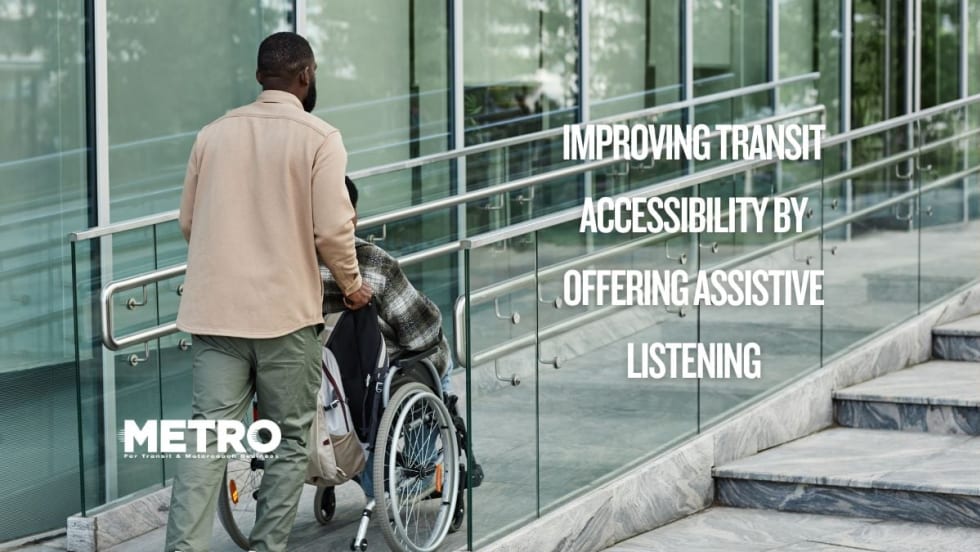
Improving Transit Accessibility by Offering Assistive Listening
Did you know that there are literally tens of millions of people worldwide with hearing loss, many of whom will use some form of public transit at some point?
Read More →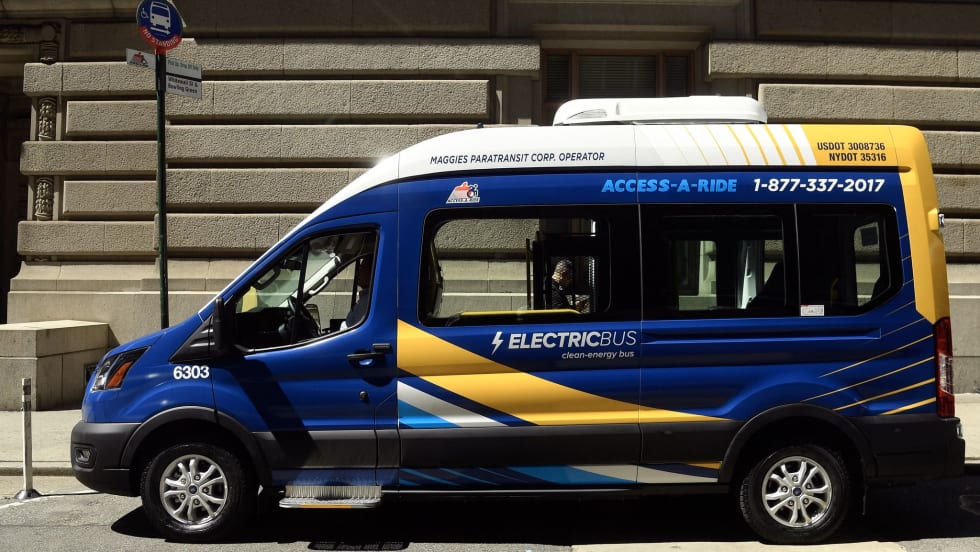
35 Years of the ADA, Making Travel Easier for Seniors
Thirty-five years after the passage of the Americans with Disabilities Act of 1990 (ADA), the impact of this landmark piece of civil rights legislation cannot be overstated.
Read More →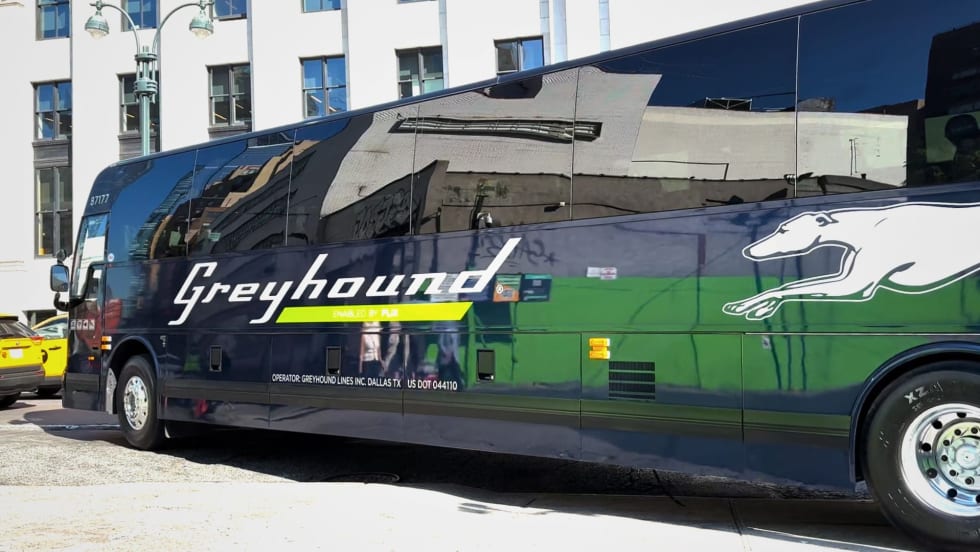
Driving Performance with Purpose: How I Lead One of Greyhound’s Top Teams
Safety, on-time performance, and customer experience are critical elements in intercity bus operations. But getting them right doesn’t come down to plans or protocols alone. It comes down to execution. How well your team performs on the ground, in real time, is what defines success.
Read More →
Navigating Emerging Privacy Laws: A Call to Action for Service Providers in Mass Transit
With Data Privacy Day Jan. 28, I want to spotlight a critical challenge faced by service providers in the mass transit sector: managing personal information responsibly in an era of rapidly evolving privacy regulations.
Read More →
Human Trafficking Awareness: What Public Transportation Can Do?
January is National Slavery and Human Trafficking Prevention Month in the U.S., and January 11 is National Human Trafficking Awareness Day.
Read More →
Want to Improve Transit Safety and Operations? Break Down the Silos
Retrieving and reviewing data and video can be a cumbersome process for fleet managers. Each system or tool provides a piece of the puzzle, but seeing the complete picture requires tedious manual synchronization.
Read More →
Ensuring Public Transit Cybersecurity Through Robust Protective Measures
In today’s highly connected world, cybersecurity is of utmost importance, particularly for transportation agencies overseeing transit bus systems that rely increasingly on sophisticated technologies, including the use of data analytics in traffic signal networks, to manage and operate their systems.
Read More →
How Advances in Thermal Management Revolutionize Urban Mobility
In the daily hustle and bustle of city life, transit buses serve as the backbone of urban transportation, allowing millions of city dwellers to get from point A to point B each day reliably.
Read More →
The Evolution of Bus Design
Thirty years ago, drivers not only had to drive the bus and navigate heavy traffic, but they were also responsible for tasks like supervising passenger loading and unloading, selling tickets, and providing passengers with various kinds of information, all while sitting in an often ill-fitting workstation.
Read More →
What 'Transit Safety 101' Really Means
Safety, Safety, Safety. This word is used repeatedly, and in many contexts, without most people understanding what it actually means.
Read More →