



Making the most of a training bus opportunity
During these tough economic times there may be a friend or loved one you know who is waiting to be called to begin a career in transit, perhaps as a bus operator. To make the best of that opportunity, I will provide some information to share with them.

During these tough economic times there may be a friend or loved one you know who is waiting to be called to begin a career in transit, perhaps as a bus operator. To make the best of that opportunity, I will provide some information to share with them.
What actually does the job involve?
Bus operators, under general supervision:
Operate a transit bus transporting passengers in accordance with the rules and regulations of the transit agency.
Ensure proper payment of fares, and at some transit properties, issue and collect transfers.
Make visual inspections of buses.
Write reports concerning revenues, accidents, faulty equipment and unusual occurrences.
Work in various weather conditions.
Communicate with customers.
Attempt to maintain a schedule.
Some of the requirements will pertain to the following items.
Driver's License: If a serious moving violation, license suspension, or an accident record is present, it may result in a disqualification.
Medical: Medical guidelines have been established for the position of Bus Operator. An examination will be administered to determine whether one can perform the essential functions of the position of bus operator.
Drug Screening: Passing a drug screening to be appointed.
Residency: Some transit agencies have a residency requirement.
English Language: Being able to understand and be understood in English.
Background Check: Criminal and driving records, past employment, and education.
* NEVER misrepresent any information that is requested. If misrepresentations are discovered, one will be dismissed - it is that simple.
Driving experience levels of a candidate:
Training candidates with experience limited to only operating an automobile come with basic driving skills. They must build on this level of driving and adapt several new skills to accommodate the larger vehicle, along with the addition of transporting passengers/customers.
Training candidates with experience operating large vehicles should imply that there already is an understanding of the clearance allowances that must be made with a larger vehicle in turning and overall road presence, etc., but in most cases, a deprogramming process is necessary to eliminate bad habits and educate them to realize that they must now operate the transit agency's vehicle according to the standards of the training department. Many times it is those with prior experience who cannot lose those bad habits during the training window and must be let go. However, those who do adapt will become even better.
Candidates who assume that they will automatically advance beyond the training bus because of past experience might make a huge mistake.
As most instructors will admit, (at least those I have been associated with) the final question they asked themselves before making the call on a student is "Will I feel comfortable having a member of my family on this student's bus?" The instructor will be looking to see if adjustments have been made that now enable the student to operate the bus in passenger service according to the standards of the training department.
Things to consider:
Bus Operations is not for everyone. This is a fact. Once they begin training they may realize that this type of employment is not for them. There is no reson to be ashamed or fearful. They should simply let their decision be known and resign rather than being terminated.
Equip themselves with a reliable watch. Since their daily activity will revolve around a schedule, a reliable watch is an important and required tool.
Rest. Adequate sleep is an absolute must.
Punctuality. Arrive at least 20 minutes to 30 minutes before the scheduled report time. Reporting late can result in being disciplined and sent home without pay.
Training bus behavior. Be observant, take notes, ask questions and listen to the instructor.
I hope this information helps someone.
Stay safe.
More Blog Posts
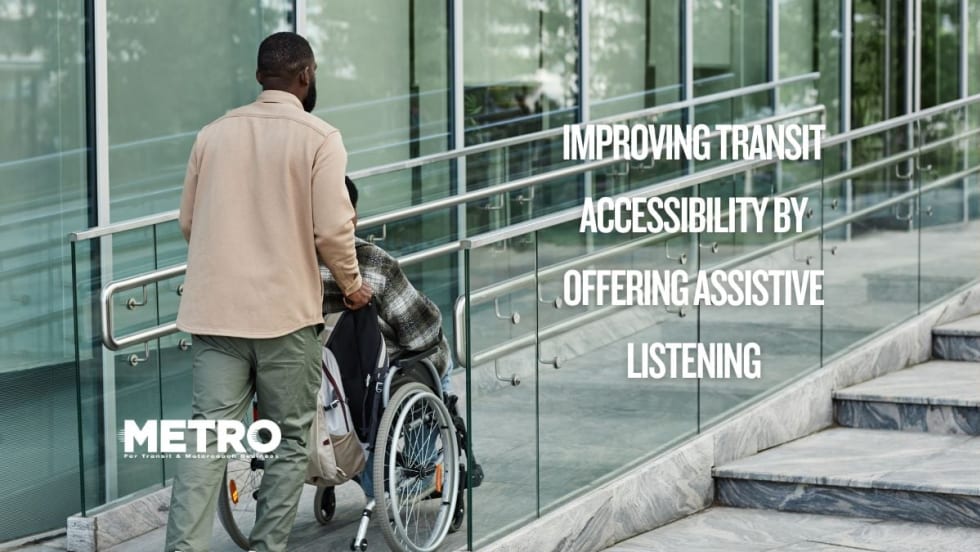
Improving Transit Accessibility by Offering Assistive Listening
Did you know that there are literally tens of millions of people worldwide with hearing loss, many of whom will use some form of public transit at some point?
Read More →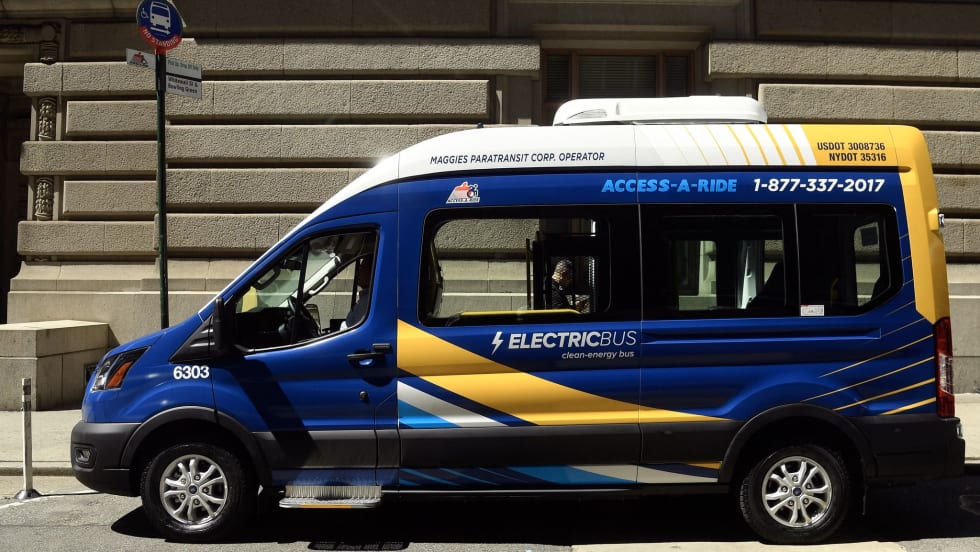
35 Years of the ADA, Making Travel Easier for Seniors
Thirty-five years after the passage of the Americans with Disabilities Act of 1990 (ADA), the impact of this landmark piece of civil rights legislation cannot be overstated.
Read More →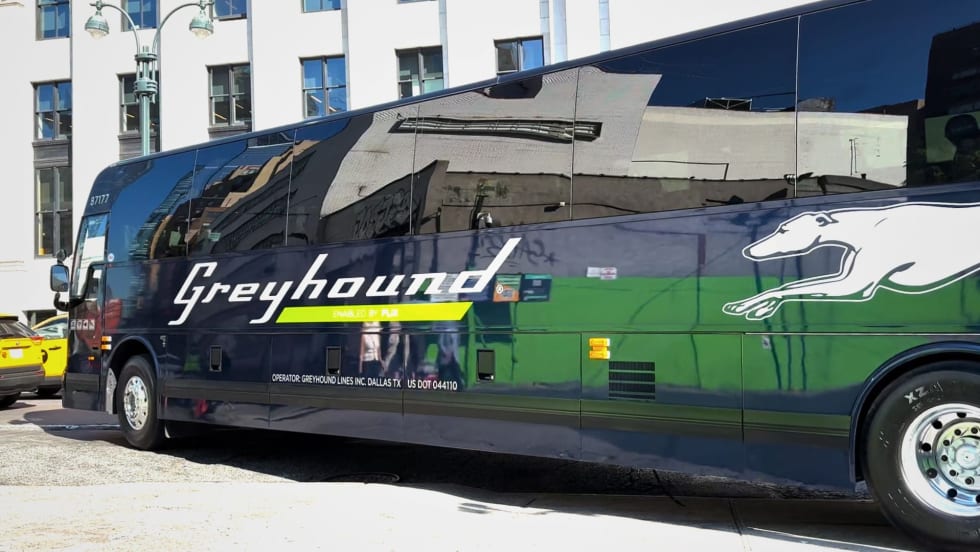
Driving Performance with Purpose: How I Lead One of Greyhound’s Top Teams
Safety, on-time performance, and customer experience are critical elements in intercity bus operations. But getting them right doesn’t come down to plans or protocols alone. It comes down to execution. How well your team performs on the ground, in real time, is what defines success.
Read More →
Navigating Emerging Privacy Laws: A Call to Action for Service Providers in Mass Transit
With Data Privacy Day Jan. 28, I want to spotlight a critical challenge faced by service providers in the mass transit sector: managing personal information responsibly in an era of rapidly evolving privacy regulations.
Read More →
Human Trafficking Awareness: What Public Transportation Can Do?
January is National Slavery and Human Trafficking Prevention Month in the U.S., and January 11 is National Human Trafficking Awareness Day.
Read More →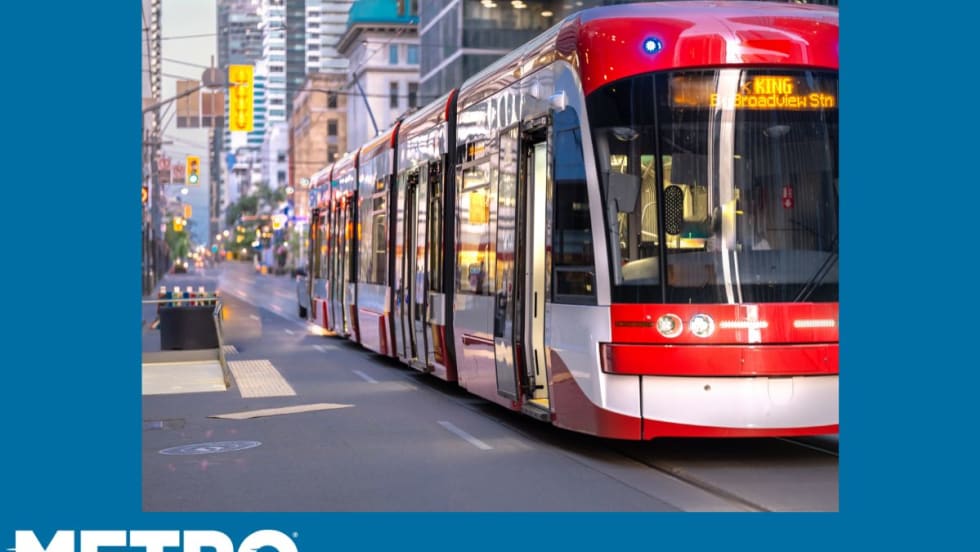
Want to Improve Transit Safety and Operations? Break Down the Silos
Retrieving and reviewing data and video can be a cumbersome process for fleet managers. Each system or tool provides a piece of the puzzle, but seeing the complete picture requires tedious manual synchronization.
Read More →
Ensuring Public Transit Cybersecurity Through Robust Protective Measures
In today’s highly connected world, cybersecurity is of utmost importance, particularly for transportation agencies overseeing transit bus systems that rely increasingly on sophisticated technologies, including the use of data analytics in traffic signal networks, to manage and operate their systems.
Read More →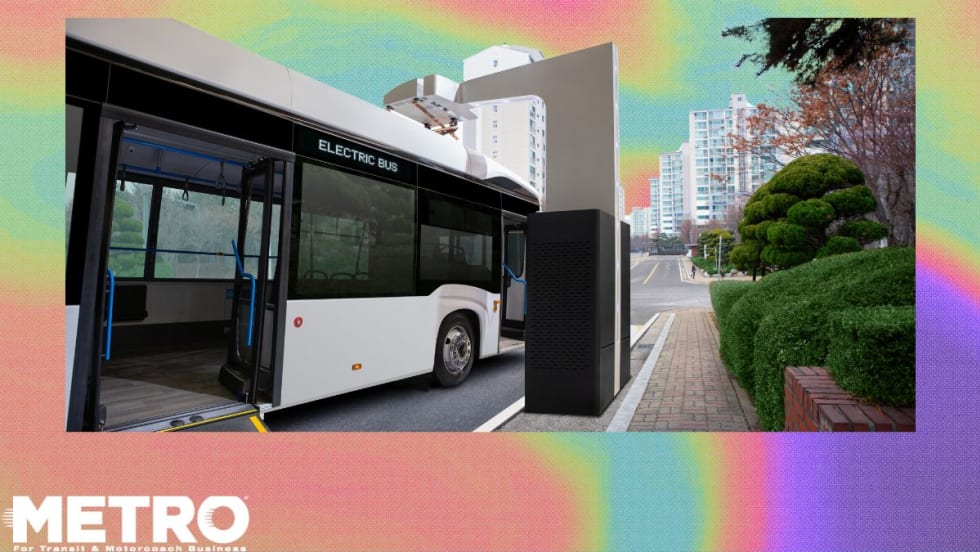
How Advances in Thermal Management Revolutionize Urban Mobility
In the daily hustle and bustle of city life, transit buses serve as the backbone of urban transportation, allowing millions of city dwellers to get from point A to point B each day reliably.
Read More →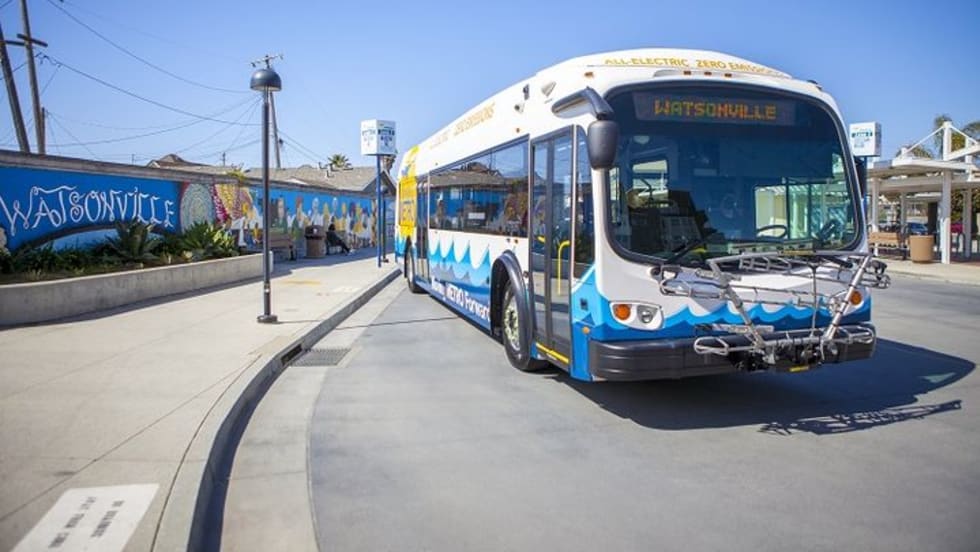
The Evolution of Bus Design
Thirty years ago, drivers not only had to drive the bus and navigate heavy traffic, but they were also responsible for tasks like supervising passenger loading and unloading, selling tickets, and providing passengers with various kinds of information, all while sitting in an often ill-fitting workstation.
Read More →
What 'Transit Safety 101' Really Means
Safety, Safety, Safety. This word is used repeatedly, and in many contexts, without most people understanding what it actually means.
Read More →