



Customer service, but not at the expense of safety
'Driver, can you drive faster?' 'Why are you driving so slowly?' 'The traffic signal is green, why are you staying in this bus stop?' Have you ever made any of these statements to a bus operator? Although to some it's hard to believe, bus operators have a schedule that they must safely adhere to, to the best of their ability.

'Driver, can you drive faster?' 'Why are you driving so slowly?' 'The traffic signal is green, why are you staying in this bus stop?'
Have you ever made any of these statements to a bus operator? Although to some it's hard to believe, bus operators have a schedule that they must safely adhere to, to the best of their ability.
Schedule follows Safety and Service in the 3 S's of Transportation. They are not, as some may feel, able to drive up and down the road at their own leisure and drive as fast as they like to get everyone to their destination as quickly as possible. Getting there safely precedes getting there quickly.
I remember when I was at the receiving end of some of those comments. I don't think I did much for customer relations when I politely responded with, 'if you're in that much of a hurry, you should have either taken a taxi or planned on taking an earlier bus.' In the center of all of this are 'timepoints and headways.'
A 'timepoint' is a given location along the bus route that bus operators attempt to arrive at safely, on or near their scheduled arrival time. There are several along the route, and some are locations that supervision are positioned at. It is permissible to arrive legitimately late at timepoints, but never early. There are several reasons to arrive late (traffic, weather, interaction between driver/customer, etc.).
Arriving early is not tolerated and can be grounds for a written schedule violation. Operators arriving ahead of schedule at their timepoints could result in customers/passengers missing their scheduled bus, which results in customers waiting longer than the scheduled 'headway' for the next bus. For example: If the scheduled headway (time interval between two successive buses, moving in the same direction on the same route) is 10 minutes, and the first bus arrives 5 minutes ahead of schedule, there will now be a 15-minute gap (or headway) before the next bus arrives. This means the second bus will receive more passengers than normal, which can cause this bus, and following buses, to begin to fall behind schedule, causing bunching.
An operator does not always encounter the same volume of traffic. Due to this unpredictable traffic volume, operators have to constantly adjust their driving to stay as close to schedule as possible and not arrive ahead of schedule at their timepoints. As I said earlier, arriving early is not tolerated by members of supervision. The exception would be if the operator was instructed by supervision due to a missing bus on route caused by either a bus breakdown or lack of a reporting operator. In order for the operator to avoid a written schedule violation, they must stall a bit to prevent them from arriving at the timepoint 'ahead' of schedule.
When finding themselves ahead of schedule, some ways to delay their arrival at the timepoint and avoid a schedule violation are:
Remaining at the previous bus stop for an extra minute or two and allowing a green traffic signal to recycle from green to red and then green again.
Reducing their customary normal safe speed, which would increase the time it takes to arrive at their timepoint location.
Sometimes the supervisor at the timepoint location will hold the operator in place until the scheduled departure time. Do not verbally abuse the operator or shout out statements that would only encourage others to do the same. Again, there's always a taxi, or just leave earlier! Ouch!!! Did I say that?
In case you missed it...
Read our METRO blog, "'Training is for the dogs" here.
More Blog Posts
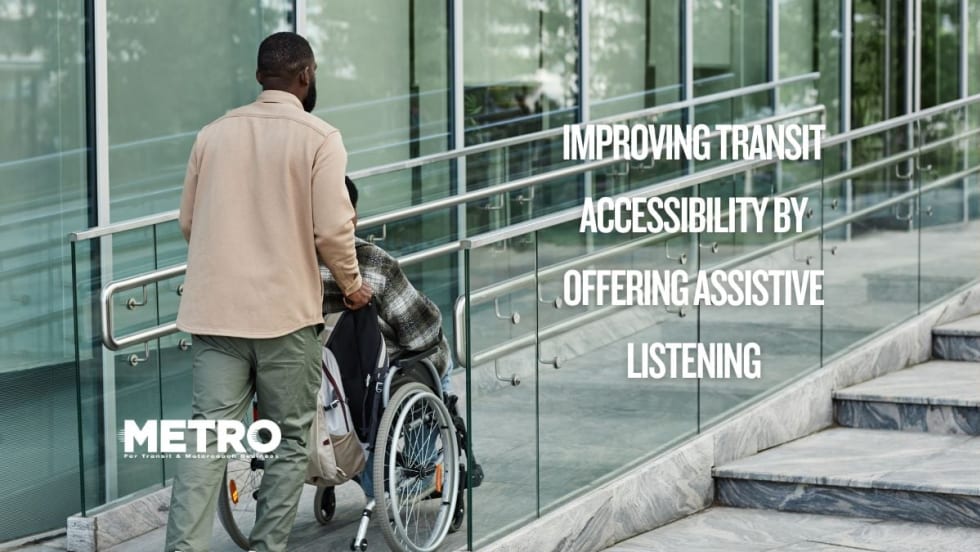
Improving Transit Accessibility by Offering Assistive Listening
Did you know that there are literally tens of millions of people worldwide with hearing loss, many of whom will use some form of public transit at some point?
Read More →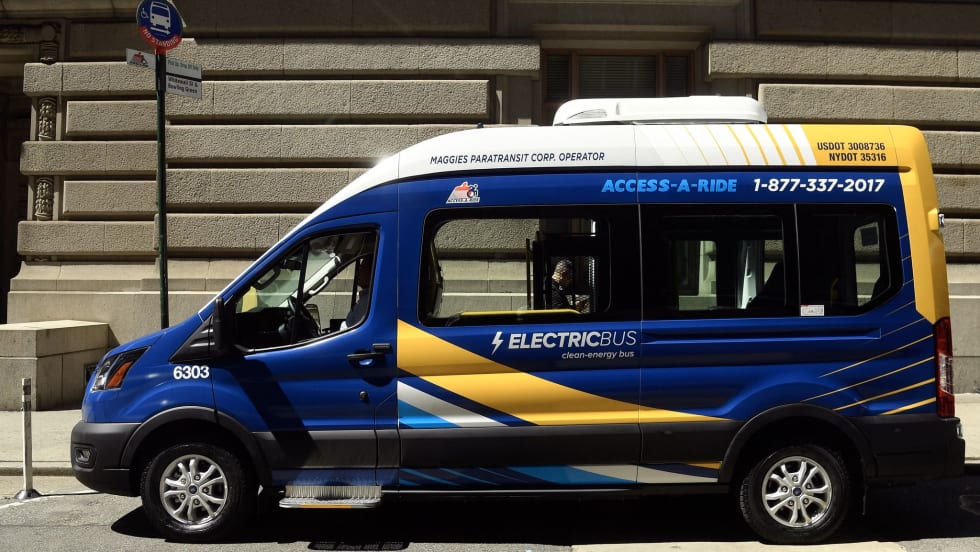
35 Years of the ADA, Making Travel Easier for Seniors
Thirty-five years after the passage of the Americans with Disabilities Act of 1990 (ADA), the impact of this landmark piece of civil rights legislation cannot be overstated.
Read More →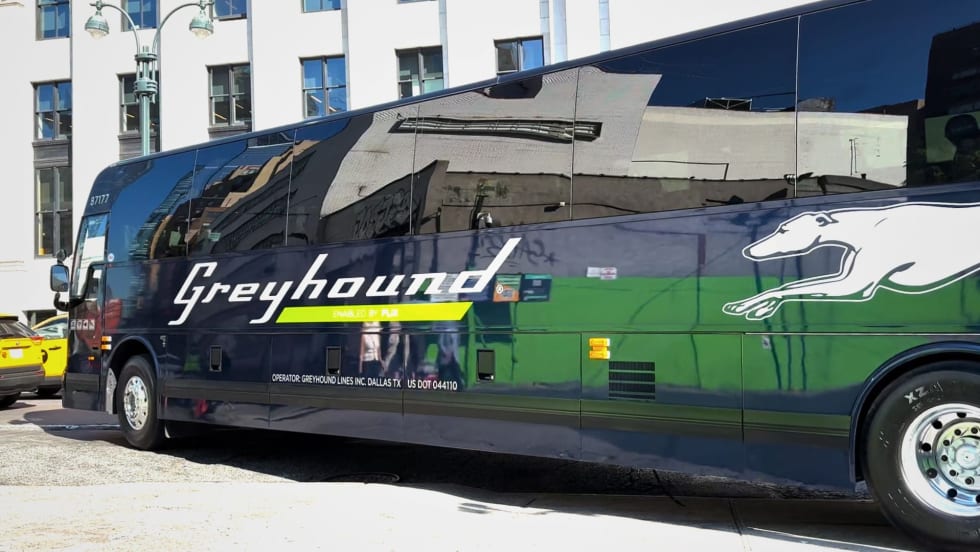
Driving Performance with Purpose: How I Lead One of Greyhound’s Top Teams
Safety, on-time performance, and customer experience are critical elements in intercity bus operations. But getting them right doesn’t come down to plans or protocols alone. It comes down to execution. How well your team performs on the ground, in real time, is what defines success.
Read More →
Navigating Emerging Privacy Laws: A Call to Action for Service Providers in Mass Transit
With Data Privacy Day Jan. 28, I want to spotlight a critical challenge faced by service providers in the mass transit sector: managing personal information responsibly in an era of rapidly evolving privacy regulations.
Read More →
Human Trafficking Awareness: What Public Transportation Can Do?
January is National Slavery and Human Trafficking Prevention Month in the U.S., and January 11 is National Human Trafficking Awareness Day.
Read More →
Want to Improve Transit Safety and Operations? Break Down the Silos
Retrieving and reviewing data and video can be a cumbersome process for fleet managers. Each system or tool provides a piece of the puzzle, but seeing the complete picture requires tedious manual synchronization.
Read More →
Ensuring Public Transit Cybersecurity Through Robust Protective Measures
In today’s highly connected world, cybersecurity is of utmost importance, particularly for transportation agencies overseeing transit bus systems that rely increasingly on sophisticated technologies, including the use of data analytics in traffic signal networks, to manage and operate their systems.
Read More →
How Advances in Thermal Management Revolutionize Urban Mobility
In the daily hustle and bustle of city life, transit buses serve as the backbone of urban transportation, allowing millions of city dwellers to get from point A to point B each day reliably.
Read More →
The Evolution of Bus Design
Thirty years ago, drivers not only had to drive the bus and navigate heavy traffic, but they were also responsible for tasks like supervising passenger loading and unloading, selling tickets, and providing passengers with various kinds of information, all while sitting in an often ill-fitting workstation.
Read More →
What 'Transit Safety 101' Really Means
Safety, Safety, Safety. This word is used repeatedly, and in many contexts, without most people understanding what it actually means.
Read More →