



OCTA CEO: Local control key to rail service integration
In Southern California, three commuter rail operators have successfully offered service to passengers for decades along a single rail corridor. However, with three operators come three independent schedules and pricing structures. This can lead to confusion among customers. A new bill signed by Gov. Jerry Brown will help integrate the services.
Advancements in transportation technology have reduced emissions, improved on-time performance and enhanced safety. While these are important components of our transit systems, meeting the needs of the 21st Century requires a commensurate shift in our approach to the way we administer our transportation services — service must be convenient and easy to use for the passengers.
In Southern California, three commuter rail operators have successfully offered service to passengers for decades along a single rail corridor. However, with three operators come three independent schedules and pricing structures.
This can lead to confusion among customers who are unfamiliar with the systems. When a rider boards a train, they are not concerned with the name painted on the side, but if that train will take them to their destination.
A new bill signed by Gov. Jerry Brown at the end of September will help eliminate confusion and integrate the services along the Los Angeles-San Diego-San Luis Obispo rail corridor, known as LOSSAN.
The bill, SB 1224 (Padilla, D-Los Angeles), creates a joint powers authority, the LOSSAN Rail Corridor Agency to govern all train services along the rail line, including administering the state-funded Amtrak service.
The LOSSAN corridor is the second busiest passenger rail line in the nation. It stretches 351 miles from San Luis Obispo to San Diego, connecting major metropolitan areas of Southern California and the Central Coast.
The legislation is modeled after the successful Capital Corridor Rail Joint Powers Authority in Northern California that has increased service frequency and ridership and reduced costs since it was established in the mid-1990s.
The LOSSAN corridor agencies pursued the legislation to bring services under local control to be more responsive to the area’s needs and consumer desires.
Local management of these services will result in:
• More efficient and effective use of resources related to service expansion, frequencies, extensions, connectivity and schedules.
• Improved passenger services, ticketing, marketing and information systems.
• More focused oversight and management of on-time performance, schedule integration and customer service.
• A unified voice when advocating for passenger rail issues at the state and federal level.
This legislation provides the parameters to enhance rail service for the seven million riders who travel along the rail line each year and entice future transit users to jump on board.
In case you missed it...
Read our METRO blog, "'Transit going the extra mile to accommodate bikers" here.
More Blog Posts
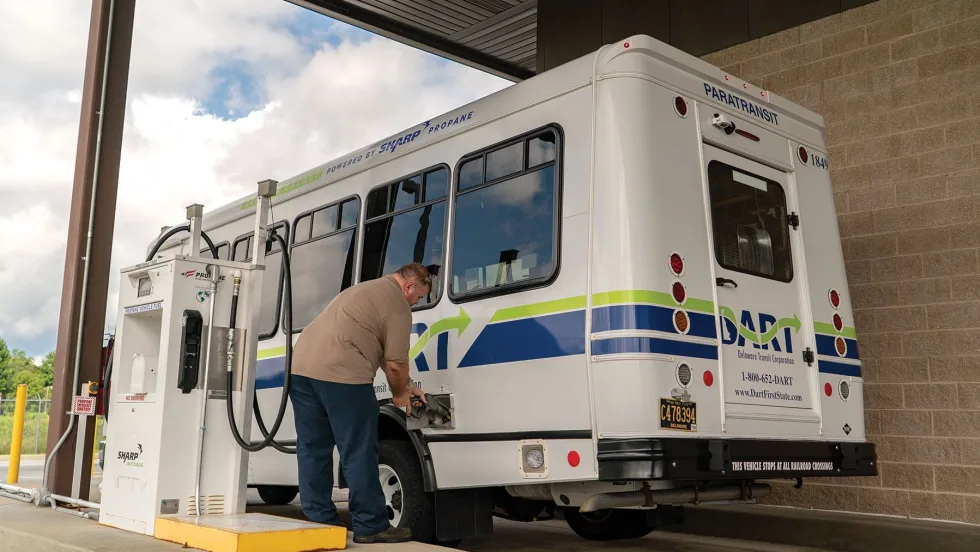
Building a Winning FTA Grant Proposal: Why Propane Autogas is the Pragmatic Choice for Fleet Resilience
With $610 million available through the FY 2026 Buses and Bus Facilities Competitive Program and the Low or No Emission Grant Program, agencies must build a compelling case before the September 21 deadline that balances environmental compliance with operational feasibility.
Read More →
Velo-city Conference 2026: Latest Trends in Cycling as Part of Urban Mobility
The global cycling conference highlighted how cities are integrating bicycles into multimodal transportation networks, expanding cycle tourism and reshaping urban mobility.
Read More →
Kindness Isn’t Soft...It’s Strategic.
Mike Bismeyer — often known as “The Kindness Guy” — has spent more than 17 years in public transit and mobility, serving in industry leadership roles, speaking across North America, and advocating for stronger workplace cultures. But his message doesn’t come from theory. It comes from lived experience.
Read More →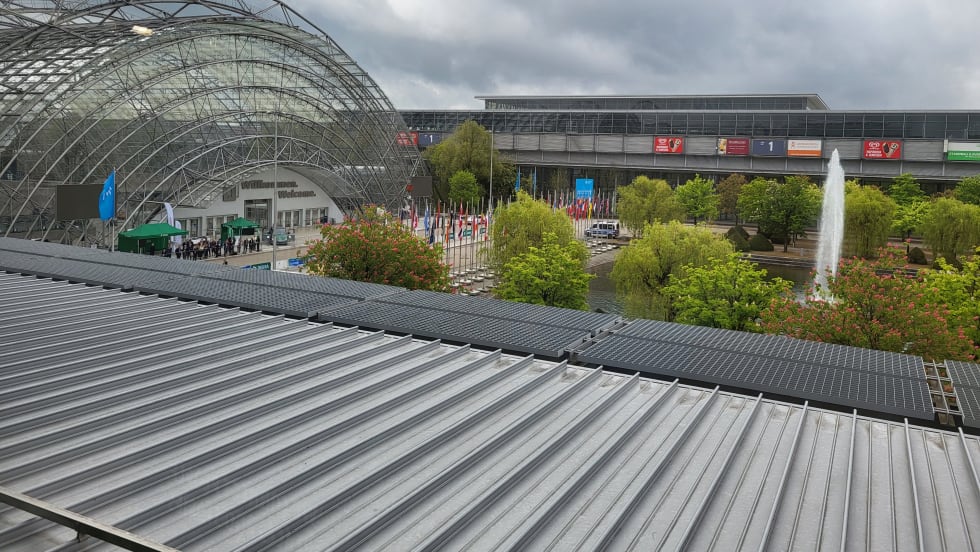
Inside ITF 2026: Transport Reacts to A Challenging World
Transport leaders from around the world gathered in Leipzig, Germany, for the 2026 International Transport Forum to discuss resilience, climate impacts, supply chains and the future of sustainable mobility.
Read More →
Every Ride Tells a Story — But You’re Not Just Selling the Ride
You’re selling the moment, the meaning, and the emotion behind it.
Read More →
How Digital Signage is Reshaping the Traveler Experience at Transportation Hubs
What was once a landscape of static signs has evolved into a responsive, immersive environment powered by real-time visual communication.
Read More →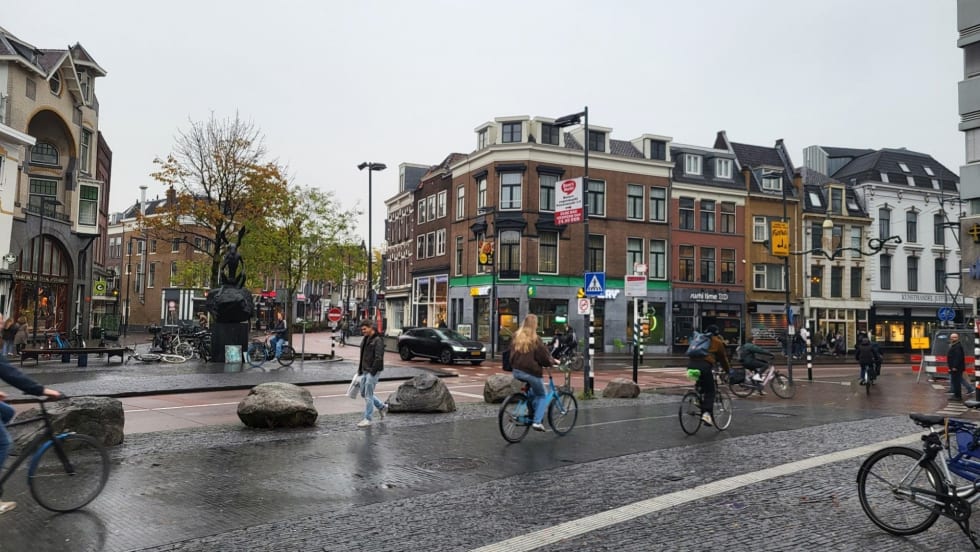
Latest Trends in Urban Mobility from Polis Conference 2025
Polis comprises cities and regions, as well as corporate partners, from across Europe, promoting the development and implementation of sustainable mobility. This year’s event had over a thousand attendees across various policy forums and an exhibition.
Read More →
Why Transit Leaders Require Better Tools for Operational Clarity In Today’s Tech-Fragmented Environment
Across North America and beyond, transit agency officials are contending with a perfect storm of operational headaches and strategic challenges that hamper daily service and long-term progress.
Read More →
The Powerless Brokers: Why California Can’t Build Transit
It is no secret that transit in the U.S. is slow and expensive to build.
Read More →
Why Transport Sustainability Should Focus on People Instead of Cars
Simply incentivizing electrification is not enough to make a meaningful impact; we must shift our focus toward prioritizing public transportation and infrastructure.
Read More →