



SEPTA and Philly library enrich rides with reading
For the month of April, the agency, the Free Library of Philadelphia and Dunkin’ Donuts have “opened” at SEPTA’s Suburban Station what is believed to be the first virtual library at a U.S. train station.

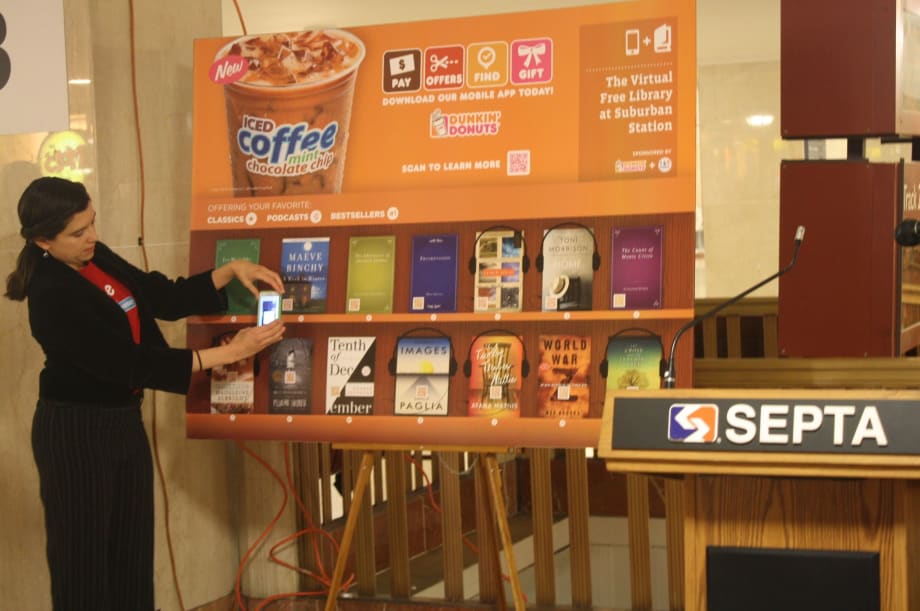
Free Library of Philadelphia Digital Resource Specialist Loren Groenendaal demonstrates how the virtual library works. Photo courtesy SEPTA.
Free Library of Philadelphia Digital Resource Specialist Loren Groenendaal demonstrates how the virtual library works. Photo courtesy SEPTA.
The daily commute can be monotonous — take the bus or train to work, to school, to town and hop back on a few hours later to get home. For many public transit patrons, reading is a necessary component of their ride; it can make the morning trip more bearable, the journey home faster.
As part of its ongoing efforts to bring variety and interactivity to its passengers’ commutes and recognize the role reading plays in the rides of its customers, Southeastern Pennsylvania Transportation Authority (SEPTA) partnered with the Free Library of Philadelphia for a National Library Week (April 14-20) celebration.
The goal was to demonstrate how accessible the library can be — how the public can “visit” the library by checking out its digital collection even while riding the bus or train.
Initial planning focused on outreach opportunities at SEPTA locations where library staff might explain how to register for a Philadelphia library card or log onto the Free Library’s website to access the organization’s vast digital collection of more than 80,000 ebooks, 8,000 audiobooks and 1,000 author podcasts. But what would be the best way to demonstrate how to use the electronic library? Bring the books to commuters by creating a virtual “branch” at one of SEPTA’s busiest stations.
Making the virtual library a reality was a lofty goal that would require quick action and the financial support of an outside firm. Titan, the advertising agency for SEPTA, pitched the idea to Dunkin’ Donuts — reading and enjoying a great cup of coffee (with a spill-proof lid) are the perfect combination for an enjoyable commute. (Titan also had worked with Pea Pod to create virtual grocery stores advertisements at train stations.) The result? For the month of April, SEPTA, the Free Library of Philadelphia and Dunkin’ Donuts have “opened” at SEPTA’s Suburban Station what is believed to be the first virtual library at a U.S. train station.
Located on Suburban Station’s platforms, the campaign’s 76 brightly colored displays — filled with selections from the Free Library’s extensive digital collection — put a new spin on the typical “to go” menu. Riders step up to the boards, scan QR codes with their smart phones or camera-containing tablet and download the Free Library’s ebooks and author podcasts to their devices. Almost instantaneously, passengers have new reading or listening materials on phones and tablets. Add a drink from one of Suburban Station’s Dunkin’ Donuts locations and customers are set for their SEPTA journeys.
The Suburban Station platform displays include QR codes to download podcast conversations with authors and public figures like Colin Powell, Madeline Albright and Dave Barry and classics such as Les Miserables and Frankenstein — all of which do not require a Free Library of Philadelphia card. To access bestsellers like Laura Hillenbrand’s Unbroken and Lee Childs’ A Wanted Man, a library card is needed, but the directions for registering for a card are also available via QR code.
In addition to the displays at Suburban Station, SEPTA and the Free Library are recognizing National Library Week with a special contest. “We wanted to start a social media conversation of what our customers are reading,” said Kim Scott Heinle, SEPTA’s assistant GM, customer service.
Through April 16, SEPTA riders were able to submit titles of books they have read or are currently reading to the SEPTA Philly Facebook page or @SEPTA_Social Twitter feed, with #enrich your ride, to win prizes including passes to some of the Free Library’s conversations with noted authors, a Dunkin’ Donuts prize pack and a SEPTA monthly pass.
“We’ve received many great responses from our customers. Hopefully we can keep this ‘virtual book club’ going after the contest ends,” added Heinle.
The virtual library at Suburban Station and “What Are You Reading?” contest are great examples of how the corporate world, public sector and transportation companies can work together to develop marketing programs that are educational and enhance the public transit experience. The overwhelmingly positive response from riders to the virtual library is proof that more partnerships like this would be welcome in the future.
Hopefully with continued sponsorship, SEPTA, the Free Library of Philadelphia and other organizations can further this concept.
More Blog Posts
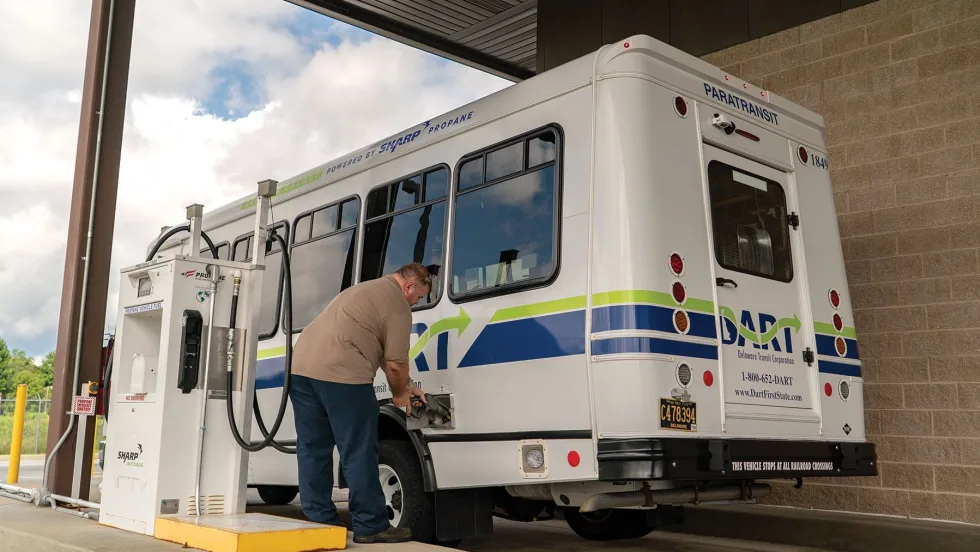
Building a Winning FTA Grant Proposal: Why Propane Autogas is the Pragmatic Choice for Fleet Resilience
With $610 million available through the FY 2026 Buses and Bus Facilities Competitive Program and the Low or No Emission Grant Program, agencies must build a compelling case before the September 21 deadline that balances environmental compliance with operational feasibility.
Read More →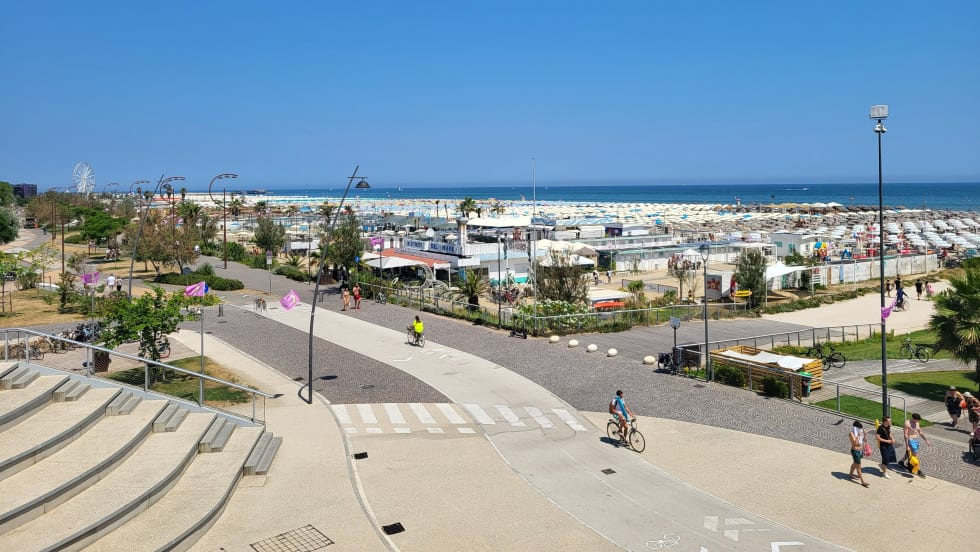
Velo-city Conference 2026: Latest Trends in Cycling as Part of Urban Mobility
The global cycling conference highlighted how cities are integrating bicycles into multimodal transportation networks, expanding cycle tourism and reshaping urban mobility.
Read More →
Kindness Isn’t Soft...It’s Strategic.
Mike Bismeyer — often known as “The Kindness Guy” — has spent more than 17 years in public transit and mobility, serving in industry leadership roles, speaking across North America, and advocating for stronger workplace cultures. But his message doesn’t come from theory. It comes from lived experience.
Read More →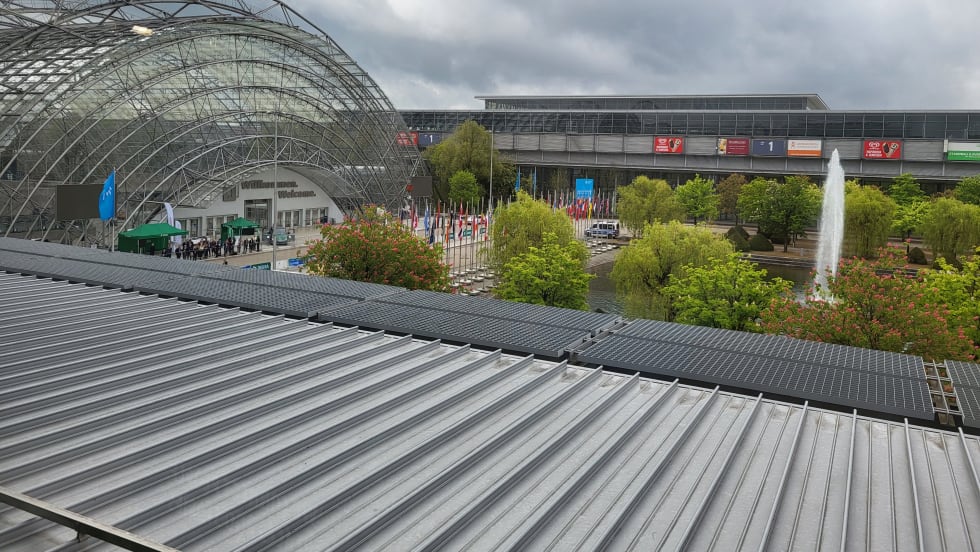
Inside ITF 2026: Transport Reacts to A Challenging World
Transport leaders from around the world gathered in Leipzig, Germany, for the 2026 International Transport Forum to discuss resilience, climate impacts, supply chains and the future of sustainable mobility.
Read More →
Every Ride Tells a Story — But You’re Not Just Selling the Ride
You’re selling the moment, the meaning, and the emotion behind it.
Read More →
How Digital Signage is Reshaping the Traveler Experience at Transportation Hubs
What was once a landscape of static signs has evolved into a responsive, immersive environment powered by real-time visual communication.
Read More →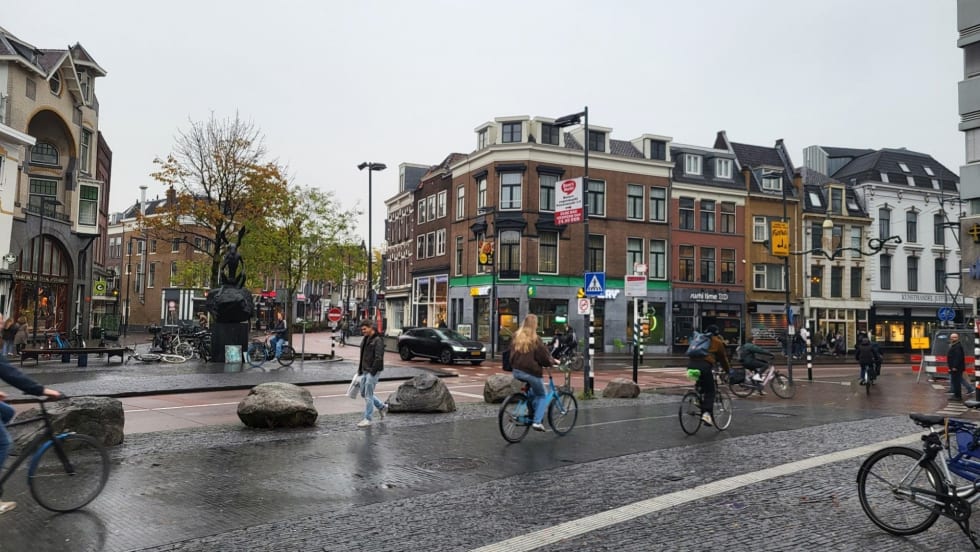
Latest Trends in Urban Mobility from Polis Conference 2025
Polis comprises cities and regions, as well as corporate partners, from across Europe, promoting the development and implementation of sustainable mobility. This year’s event had over a thousand attendees across various policy forums and an exhibition.
Read More →
Why Transit Leaders Require Better Tools for Operational Clarity In Today’s Tech-Fragmented Environment
Across North America and beyond, transit agency officials are contending with a perfect storm of operational headaches and strategic challenges that hamper daily service and long-term progress.
Read More →
The Powerless Brokers: Why California Can’t Build Transit
It is no secret that transit in the U.S. is slow and expensive to build.
Read More →
Why Transport Sustainability Should Focus on People Instead of Cars
Simply incentivizing electrification is not enough to make a meaningful impact; we must shift our focus toward prioritizing public transportation and infrastructure.
Read More →