



Securing our borders with intelligent transportation solutions
The U.S. walks a daily tightrope between the need for security and the ability to move goods and people as freely as possible within immigration policy parameters. In the transportation world, we are working to develop technologies to move cross-border traffic more efficiently while ensuring secure borders.


Courtesy Devjohnson, Wikimedia Commons

Courtesy Devjohnson, Wikimedia Commons
With more than 5,000 miles of international border, the U.S. walks a daily tightrope between the need for security and the ability to move goods and people as freely as possible within the parameters of smart immigration policy. In the transportation world, we are actively working to develop and implement technologies to move cross-border traffic more efficiently while ensuring secure borders.
If you’ve crossed the Peace Bridge between Ontario, Canada and Buffalo, N.Y., or any of the dozens of borders stops around our country, you’ve seen intelligent transportation systems (ITS) in action. License plate readers check vehicles and talk to other security systems to highlight potential threats while reducing border wait times.
Between Detroit and Windsor, Ontario, lasers measure wait times and provide that information to border officials. The Ambassador Bridge that connects these two cities is the biggest international crossing in North America in terms of trade volume, and more than 25% of all merchandise trade between the U.S. and Canada crosses the bridge.
You may remember the dramatic infrared video of Boston Marathon bomber suspect Dzokhar Tsarnaev hiding in a covered boat. Police were able to locate him and determine his positioning and the approximate severity of his wounds before moving in, quite possibly saving lives in the process. The thermal imaging equipment they used was developed by FLIR, an ITS America member and industry leader actively involved in producing technology that can identify threats not only at border crossings, but also along America’s shoreline and in its ports.
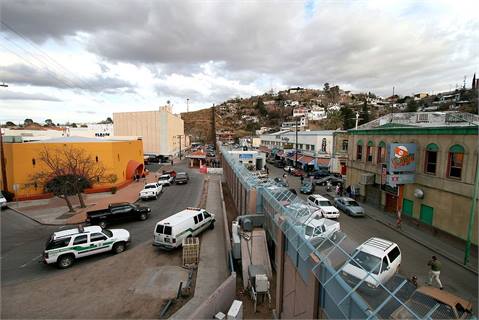
US-Mexico barrier at Nogales, Ariz. Photo by Sgt. 1st Class Gordon Hyde via Wikimedia Commons
Another innovation leader, Qvision, uses the latest video technology to provide drivers with real-time border traffic information through websites like BorderTraffic.com while also upgrading surveillance for border patrol agencies and traffic management capabilities for state transportation departments.
The Texas A&M Transportation Institute, a research leader in the ITS community and ITS America Board member, is working with federal customs and border security officials to develop new concepts for strengthening border security while making cross-border transportation and goods movement more efficient. One of their ideas is the development of a freight shuttle that would carry goods across the border en masse, providing added security while also reducing traffic, vehicle emissions and infrastructure deterioration.
RELATED: "16 transit systems awarded TSA 'Gold Standard' rating"
At ITS America, we are working to encourage greater collaboration between the public and private sectors to come up with new technology solutions to our nation’s transportation challenges. State and local governments are increasingly looking to create an ecosystem, where good ideas can bubble up while reducing the development cycle and risk aversion that has hampered entrepreneurism in the past. And, the private sector and research communities are proving every day that they can provide innovative solutions to the challenges facing our nation.
These public-private partnership efforts are critical for fostering innovation and advancing solutions that will not only strengthen our borders, but also create a safer, more efficient and cost-effective transportation system on which to build a more prosperous future.
ITS partnerships on border security and more will be on display later this year at the 21st World Congress on Intelligent Transport Systems, happening in Detroit from Sept. 7 to 11, 2014. Visit www.itsworldcongress.org to learn more and make plans to join us later this year in the Motor City.
In case you missed it...
Read our METRO blog, "Keeping the transit jobs pipeline flowing"
More Blog Posts
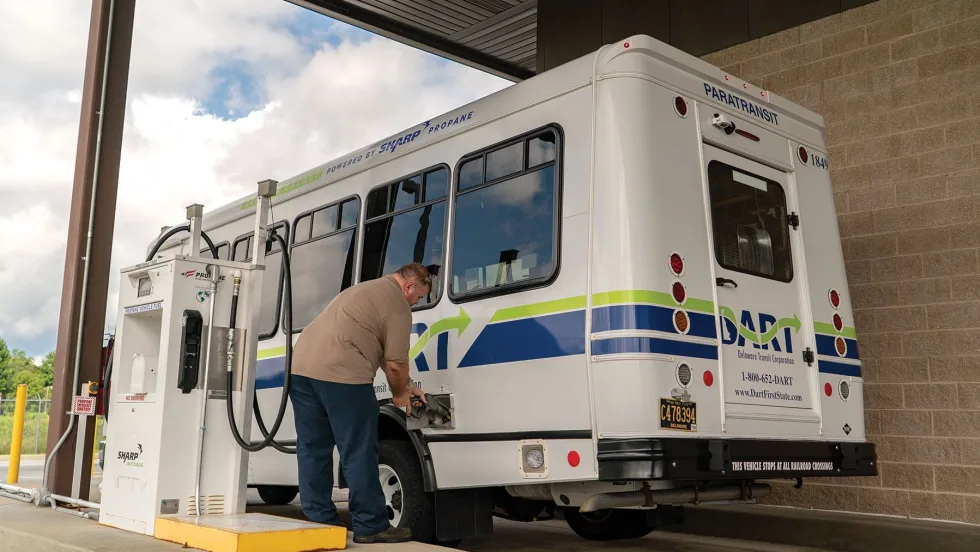
Building a Winning FTA Grant Proposal: Why Propane Autogas is the Pragmatic Choice for Fleet Resilience
With $610 million available through the FY 2026 Buses and Bus Facilities Competitive Program and the Low or No Emission Grant Program, agencies must build a compelling case before the September 21 deadline that balances environmental compliance with operational feasibility.
Read More →
Velo-city Conference 2026: Latest Trends in Cycling as Part of Urban Mobility
The global cycling conference highlighted how cities are integrating bicycles into multimodal transportation networks, expanding cycle tourism and reshaping urban mobility.
Read More →
Kindness Isn’t Soft...It’s Strategic.
Mike Bismeyer — often known as “The Kindness Guy” — has spent more than 17 years in public transit and mobility, serving in industry leadership roles, speaking across North America, and advocating for stronger workplace cultures. But his message doesn’t come from theory. It comes from lived experience.
Read More →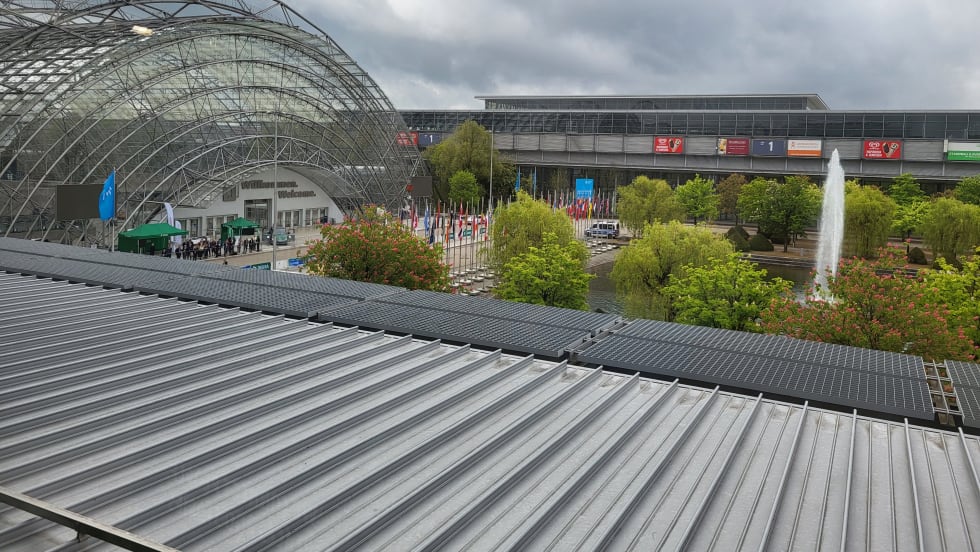
Inside ITF 2026: Transport Reacts to A Challenging World
Transport leaders from around the world gathered in Leipzig, Germany, for the 2026 International Transport Forum to discuss resilience, climate impacts, supply chains and the future of sustainable mobility.
Read More →
Every Ride Tells a Story — But You’re Not Just Selling the Ride
You’re selling the moment, the meaning, and the emotion behind it.
Read More →
How Digital Signage is Reshaping the Traveler Experience at Transportation Hubs
What was once a landscape of static signs has evolved into a responsive, immersive environment powered by real-time visual communication.
Read More →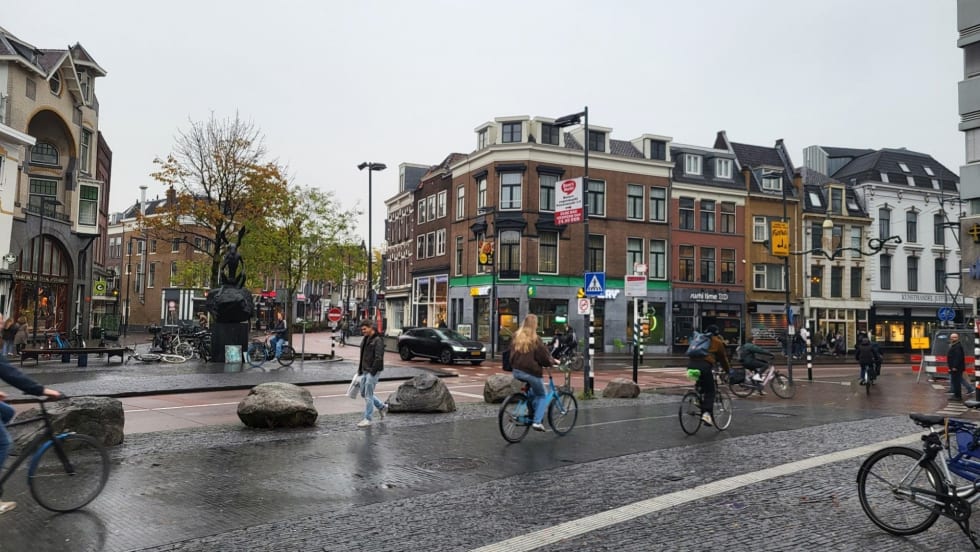
Latest Trends in Urban Mobility from Polis Conference 2025
Polis comprises cities and regions, as well as corporate partners, from across Europe, promoting the development and implementation of sustainable mobility. This year’s event had over a thousand attendees across various policy forums and an exhibition.
Read More →
Why Transit Leaders Require Better Tools for Operational Clarity In Today’s Tech-Fragmented Environment
Across North America and beyond, transit agency officials are contending with a perfect storm of operational headaches and strategic challenges that hamper daily service and long-term progress.
Read More →
The Powerless Brokers: Why California Can’t Build Transit
It is no secret that transit in the U.S. is slow and expensive to build.
Read More →
Why Transport Sustainability Should Focus on People Instead of Cars
Simply incentivizing electrification is not enough to make a meaningful impact; we must shift our focus toward prioritizing public transportation and infrastructure.
Read More →