



A true ‘hub of hope’ for those in need
When the frigid weather makes it too hazardous to stay outside, many homeless seek shelter in train stations, bus depots and other public facilities. SEPTA has partnered with an organization that works to end homelessness to create the "Hub of Hope," which offers a variety of services and housing, especially for those experiencing long-term street homelessness.

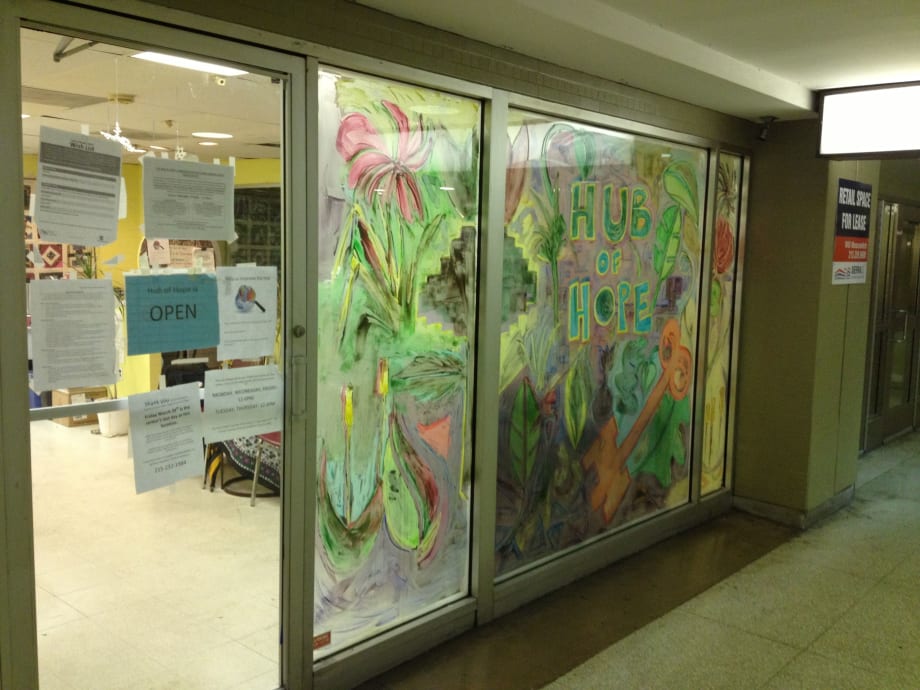
The Hub of Hope facility is located in SEPTA's Suburban Station.
The Hub of Hope facility is located in SEPTA's Suburban Station.
Winter’s bone-chilling temperatures are now gripping most of the country. When the frigid weather makes it too hazardous to stay outside, many homeless seek shelter in train stations, bus depots and other public facilities.
In Philadelphia in recent years, every day anywhere from 100 to 300 homeless men and women would take refuge in the downtown concourses that connect to Southeastern Pennsylvania Transportation Authority's (SEPTA) regional (commuter) rail, subway and trolley lines. That number would fluctuate seasonally, increasing as temperatures dipped. However over the past two years, SEPTA has seen a decline in the number of homeless looking to stay in its stations.
“Our most recent quarterly census of the homeless population in the Center City concourses overnight was 75,” said SEPTA Police Inspector Steven Harold. “Previously we had 200 people in our Suburban Station area alone.”
Harold credits the decrease in a consistent application of SEPTA’s business model (“when the stations are closed, our patrolling officers ensure the concourses are also closed") and an affiliation between SEPTA and Project HOME, a Philadelphia–based organization that works to end homelessness through outreach, education and other intervention programs.
“Project HOME operates the ‘Hub of Hope’ in our Suburban Station from January through April, when the cold weather is the most intense,” said Harold. “This facility is staffed by professionals that can help the individuals in need find shelter, medical care and other social services. This SEPTA/Project HOME partnership with the Hub of Hope is the first of its kind between a transit agency and a social service organization.”

Kanika Stewart, a resource manager for Project HOME.
The Hub of Hope was established in 2012 to offer a variety of services and housing, especially for those experiencing long-term street homelessness. The center is staffed with resource managers, peer specialists, recovery coaches, and physical and behavioral healthcare professionals from numerous Philadelphia-based agencies, including Project HOME, the Mental Health Association of Southeastern Pennsylvania, the City of Philadelphia, Jefferson Hospital and Public Health Management Corp. In 2013, 157 individuals who visited the Hub of Hope were placed into shelter, treatment and other housing options throughout Philadelphia.
“SEPTA has been an invaluable partner to the Hub of Hope and Project HOME,” said Karen Orrick, project coordinator for Hub of Hope and Strategic Initiatives for Project HOME. “Each year, the SEPTA Police Department can identify for us the individuals who have long histories in the station so that Project HOME can target our outreach efforts to these individuals.”
“Our officers ask the homeless in our stations and concourses if they want or need assistance,” said Harold. “The officers can contact Project HOME and have their outreach staff work with the individuals in need or can take them directly to the Hub of Hope.”
Working as a team, the SEPTA Police Department and Project HOME resource managers can offer options for places individuals can go and services they can receive to obtain permanent housing.
“Both organizations act as eyes and ears for one another with regard to safety and well-being of individuals experiencing homelessness in the station,” said Orrick.
Since the SEPTA/Project HOME relationship began, SEPTA has seen its Center City Philadelphia homeless population reduced by 50%.
“Being homeless is not a crime,” said Harold. “Working with the Hub of Hope, Project HOME and the other social services organizations, we’ve been able to help get people the medical treatments and support they need to get off the streets, rather than to simply push them out of the stations.”
In case you missed it...
Read our METRO blog, "What will the impact of automated vehicle technology be on public transportation?"
More Blog Posts
Building a Winning FTA Grant Proposal: Why Propane Autogas is the Pragmatic Choice for Fleet Resilience
With $610 million available through the FY 2026 Buses and Bus Facilities Competitive Program and the Low or No Emission Grant Program, agencies must build a compelling case before the September 21 deadline that balances environmental compliance with operational feasibility.
Read More →
Velo-city Conference 2026: Latest Trends in Cycling as Part of Urban Mobility
The global cycling conference highlighted how cities are integrating bicycles into multimodal transportation networks, expanding cycle tourism and reshaping urban mobility.
Read More →
Kindness Isn’t Soft...It’s Strategic.
Mike Bismeyer — often known as “The Kindness Guy” — has spent more than 17 years in public transit and mobility, serving in industry leadership roles, speaking across North America, and advocating for stronger workplace cultures. But his message doesn’t come from theory. It comes from lived experience.
Read More →
Inside ITF 2026: Transport Reacts to A Challenging World
Transport leaders from around the world gathered in Leipzig, Germany, for the 2026 International Transport Forum to discuss resilience, climate impacts, supply chains and the future of sustainable mobility.
Read More →
Every Ride Tells a Story — But You’re Not Just Selling the Ride
You’re selling the moment, the meaning, and the emotion behind it.
Read More →
How Digital Signage is Reshaping the Traveler Experience at Transportation Hubs
What was once a landscape of static signs has evolved into a responsive, immersive environment powered by real-time visual communication.
Read More →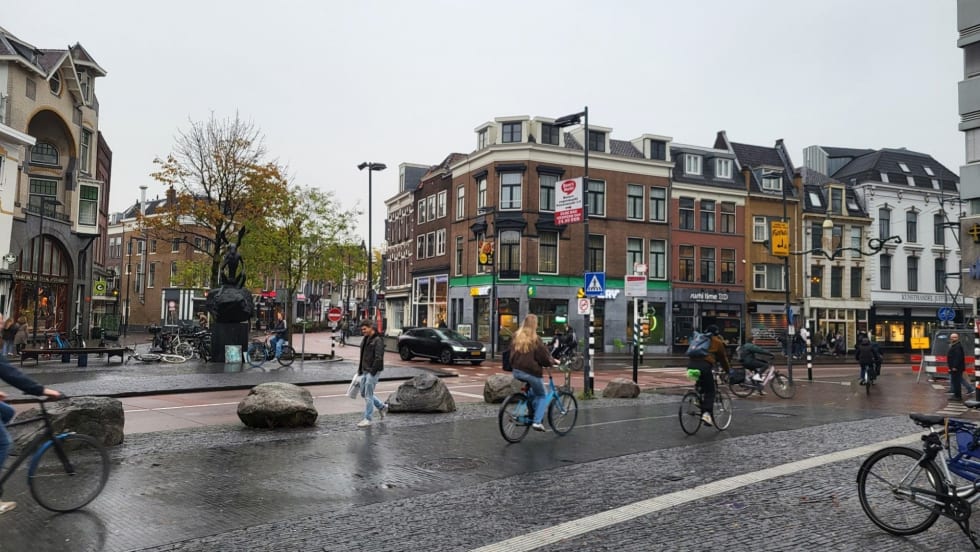
Latest Trends in Urban Mobility from Polis Conference 2025
Polis comprises cities and regions, as well as corporate partners, from across Europe, promoting the development and implementation of sustainable mobility. This year’s event had over a thousand attendees across various policy forums and an exhibition.
Read More →
Why Transit Leaders Require Better Tools for Operational Clarity In Today’s Tech-Fragmented Environment
Across North America and beyond, transit agency officials are contending with a perfect storm of operational headaches and strategic challenges that hamper daily service and long-term progress.
Read More →
The Powerless Brokers: Why California Can’t Build Transit
It is no secret that transit in the U.S. is slow and expensive to build.
Read More →
Why Transport Sustainability Should Focus on People Instead of Cars
Simply incentivizing electrification is not enough to make a meaningful impact; we must shift our focus toward prioritizing public transportation and infrastructure.
Read More →