



Changes to rolling stock rules threaten industry supply chain
In February, the FTA finalized its grant management requirements circular governing the administration and management of all FTA grant programs. This revision incorporates changes to these programs contained in both authorizations that have been enacted in recent years, the FAST Act and MAP-21. While some provisions the revised circular are welcome and needed because of enactment of these new laws, it also contains changes that are not only unnecessary but could threaten the industry’s health.

In February, the FTA finalized its grant management requirements circular governing the administration and management of all FTA grant programs. This revision incorporates changes to these programs contained in both authorizations that have been enacted in recent years, the FAST Act and MAP-21. While some provisions the revised circular are welcome and needed because of enactment of these new laws, it also contains changes that are not only unnecessary but could threaten the industry’s health.
If it isn’t broken…
Part of the revisions to this circular involved reworking of how refurbishments, overhauls and remanufacturing of vehicles are eligible for grant funding, and how such funding is to be managed. The new proposed guidance seeks to treat remanufacturing as if it were a new bus, subject to all of the requirements of a new bus, including useful design-life mandates, Altoona testing and Buy America audits.
It seems odd that the FTA would seek these changes, particularly since there is no real evidence of any pattern of abuses of the previous practice regarding overhauls, refurbishments and remanufacturing. Moreover, it has been good public policy, allowing public transportation agencies to stretch precious dollars farther.
Industry shares concerns
Apparently, the industry agrees, because more than 50 comments posted to the FTA docket urge the agency to reconsider the proposed changes. The letter that APTA submitted on behalf of the industry summarizes what is at stake: “FTA’s proposal to require remanufactured buses to meet all requirements for new bus models would prove devastating to a significant segment of the public transportation community. Many small properties that are unable to obtain new buses rely on remanufactured equipment to keep up with service demands in an affordable manner. The equipment is available at greatly reduced prices, has proven reliable over many years and provides value to the communities served. Application of full new bus rules to this limited, specialized market would effectively shut it down.”
Although the APTA letter is confined to buses, many agencies that have procured remanufactured rail vehicles share very similar concerns. Undermining this tool that can help achieve a state of good repair with rail infrastructure could be an even greater problem than the bus issues cited in the APTA letter.
On balance, these changes seem to be a solution in search of a nonexistent problem. If anything, they risk creating even greater problems for the industry. For these reasons, the proposed changes to remanufacturing in the draft revised grant management circular should be discarded.
James Blue is the general manager of METRO Magazine.
More Blog Posts
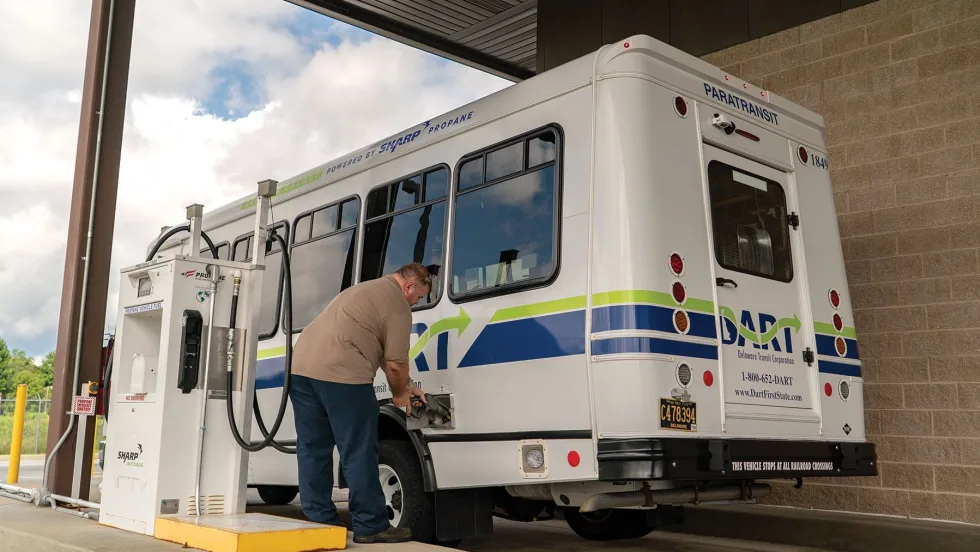
Building a Winning FTA Grant Proposal: Why Propane Autogas is the Pragmatic Choice for Fleet Resilience
With $610 million available through the FY 2026 Buses and Bus Facilities Competitive Program and the Low or No Emission Grant Program, agencies must build a compelling case before the September 21 deadline that balances environmental compliance with operational feasibility.
Read More →
Velo-city Conference 2026: Latest Trends in Cycling as Part of Urban Mobility
The global cycling conference highlighted how cities are integrating bicycles into multimodal transportation networks, expanding cycle tourism and reshaping urban mobility.
Read More →
Kindness Isn’t Soft...It’s Strategic.
Mike Bismeyer — often known as “The Kindness Guy” — has spent more than 17 years in public transit and mobility, serving in industry leadership roles, speaking across North America, and advocating for stronger workplace cultures. But his message doesn’t come from theory. It comes from lived experience.
Read More →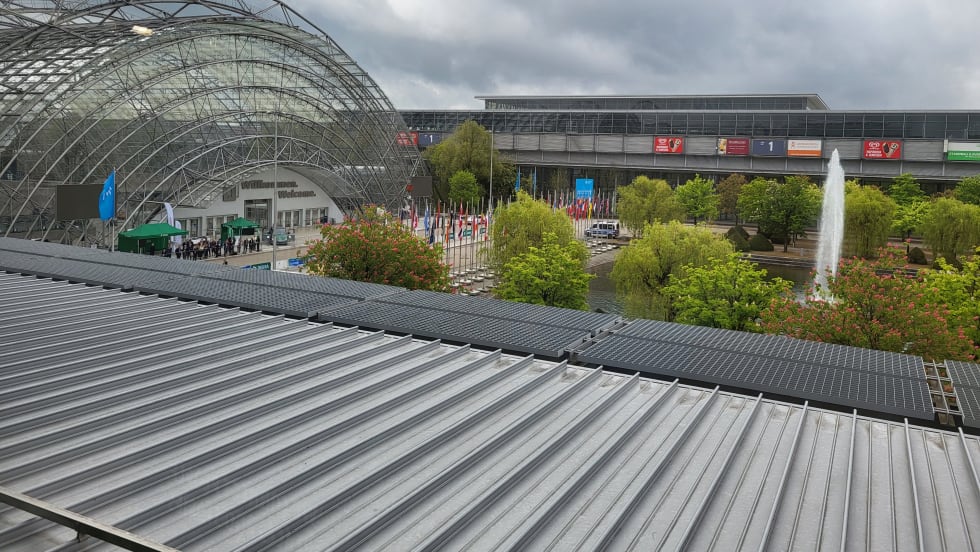
Inside ITF 2026: Transport Reacts to A Challenging World
Transport leaders from around the world gathered in Leipzig, Germany, for the 2026 International Transport Forum to discuss resilience, climate impacts, supply chains and the future of sustainable mobility.
Read More →
Every Ride Tells a Story — But You’re Not Just Selling the Ride
You’re selling the moment, the meaning, and the emotion behind it.
Read More →
How Digital Signage is Reshaping the Traveler Experience at Transportation Hubs
What was once a landscape of static signs has evolved into a responsive, immersive environment powered by real-time visual communication.
Read More →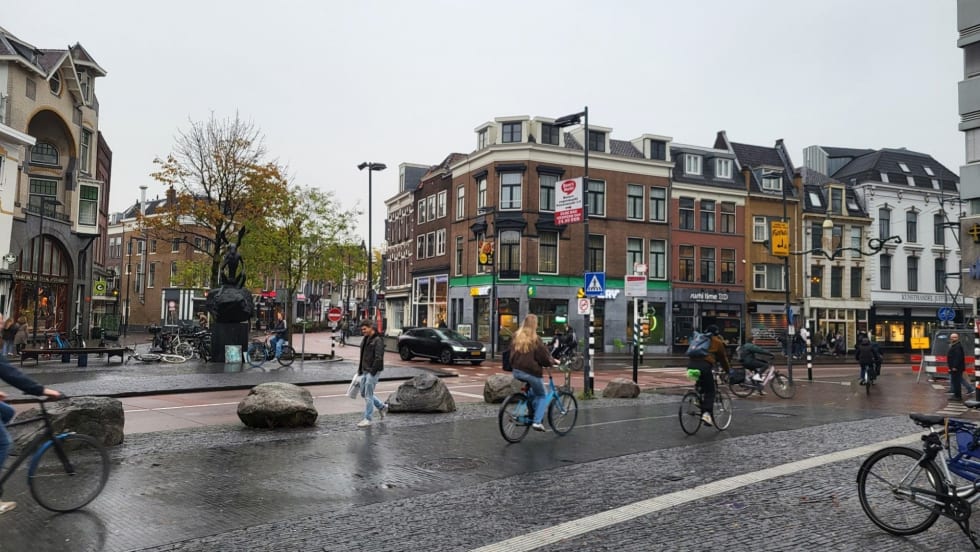
Latest Trends in Urban Mobility from Polis Conference 2025
Polis comprises cities and regions, as well as corporate partners, from across Europe, promoting the development and implementation of sustainable mobility. This year’s event had over a thousand attendees across various policy forums and an exhibition.
Read More →
Why Transit Leaders Require Better Tools for Operational Clarity In Today’s Tech-Fragmented Environment
Across North America and beyond, transit agency officials are contending with a perfect storm of operational headaches and strategic challenges that hamper daily service and long-term progress.
Read More →
The Powerless Brokers: Why California Can’t Build Transit
It is no secret that transit in the U.S. is slow and expensive to build.
Read More →
Why Transport Sustainability Should Focus on People Instead of Cars
Simply incentivizing electrification is not enough to make a meaningful impact; we must shift our focus toward prioritizing public transportation and infrastructure.
Read More →