



Tougher DBE program will correct long overdue problems
The DOT's DBE program is one of the most successful of all federal DBE programs. The changes being put into place should make it that much stronger, for businesses of all sizes.
A common criticism of the stimulus program and financial assistance given to banks and other Wall Street firms, as well as auto companies, is the lack of help it has provided to small businesses, which are the real engine of new jobs in the U.S. The Obama administration hopes to counter some of that criticism with last month's changes to the rules governing the program to help disadvantaged business enterprises (DBEs) participate in federally-funded transportation projects, including transit.
For those who think this is a stretch, Secretary of Transportation Ray LaHood made the connection between small business and DBEs when the rules were announced. "When we help small businesses, we're helping get the economy going," Secretary LaHood said at the time. "This is an important rule that can help small businesses owned and controlled by women and minorities."
Carrots and sticks
The new rule is a combination of both carrots and sticks to support these small companies, and was the result of a high-level task force that looked at the current program and developed recommended changes. On the one hand, it allows grant recipients the flexibility of ensuring compliance with DBE rules over a three-year period, so that if down one year they can explain how they will get to the target over the next two. On the other hand, though, it requires annual submissions, not just at the end of the three-year cycle. To implement this, DOT will phase in the annual reporting on a staggered basis so that all grantees are in the new reporting system at the end of the three years.
In addition, the new rule helps DBEs by raising the personal net worth maximum for owners from the present $750,000, which was established more than 20 years ago, to an inflation-adjusted $1.3 million. It will raise this amount to adjust for inflation every year thereafter. To help ensure that prime contractors better meet the DBE goals, state and local agencies will now be required to do post-award monitoring of each contract for this purpose, and primes will not be able to drop DBE subcontractors without good cause.
Streamline Certification
Finally, and perhaps the best of all, the new DBE regulation will require a reciprocity system: states and transit agencies will have to accept another's certification, unless there is a good reason not to. This should streamline DBE certification significantly and eliminate a major challenge in the program to date.
The DOT's DBE program is one of the most successful of all federal DBE programs. The changes being put into place should make it that much stronger, for businesses of all sizes.
More Bus

Brian Dickson on Building Stronger, More Resilient Transportation Organizations
Bus Business Consultants Founder Brian Dickson discusses the leadership principles, operational discipline, and strategic planning that separate transportation companies positioned for long-term success from those stuck in survival mode.
Read More →
LA Metro Breaks Ground on Vermont BRT Project
The 12.4-mile corridor is projected to serve 66,200 daily riders, reduce travel times by up to 24%, and create the nation's busiest bus rapid transit corridor.
Read More →
Roman Cornell on ABC Companies’ Evolution and the Future of Passenger Transportation
The company’s CEO discusses carrying forward a third-generation family legacy, ABC’s continued evolution in passenger transportation, support for increasingly complex fleets, and how technology and continued investment could help operators improve uptime.
Read More →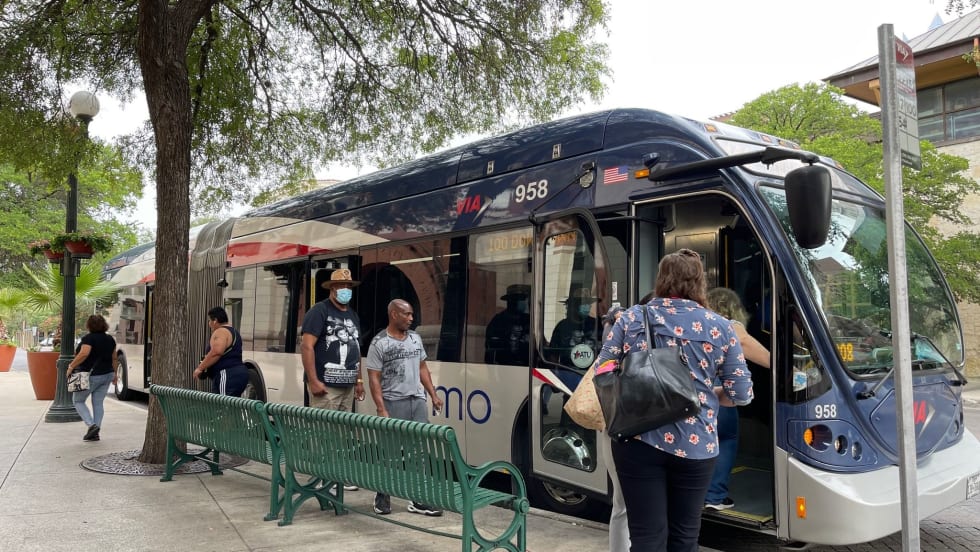
VIA Bus Ridership Grows 10.1% Through August 2026
San Antonio's VIA Metropolitan Transit reported the highest bus ridership growth among major Texas transit systems. Federal Transit Administration data ranked it second among the nation's 50 largest transit systems.
Read More →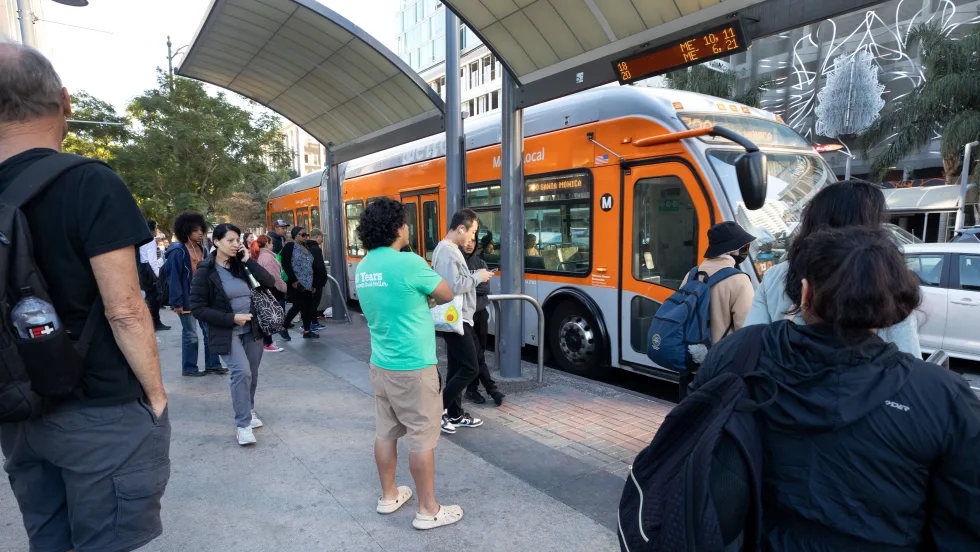
LA Metro September Ridership Climbs 3.9%, Led by Rail Growth
The agency recorded more than 27.2 million boardings, with rail ridership increasing 12.4% year over year and the D Line posting the largest gains.
Read More →
Frontrunner Bus Group Introduces XF Low-Floor Bus with Enhanced Accessibility
The new mid-sized bus features a full flat-floor design, eight-inch curbside step-in height, and zero-entry rear ramp to improve passenger access and operational flexibility.
Read More →
Scenes from APTA TRANSform & EXPO 2026
Transit leaders, manufacturers, and industry professionals gathered in Chicago to explore new technologies, share ideas, and discuss the future of public transportation.
Read More →
More Than a Summer Job: Building the Next Generation of Transit Talent
The Delaware River Port Authority and PATCO have transformed their internship program into a hands-on professional development experience that introduces students to the breadth of transportation careers — and creates a pipeline for future employees.
Read More →
LA Metro Board Awards 220 Battery-Electric Bus Contract to ENC
The contract, which is the largest base award of battery-electric buses by a U.S. transit agency, will be built in Southern California, sustaining good jobs as LA prepares to welcome the world in 2028
Read More →
Public Transit Conference Returning to GFX in 2027, Call for Papers Now Open
The Call for Papers is now open, allowing transit agency professionals and industry experts to help shape the PTC educational program by submitting session ideas for consideration.
Read More →