



Publisher's Perspective: Managing the LRT vs. BRT discussion
The list of bus rapid transit (BRT) projects in North America continues to grow. The most commonly cited reasons for growth, include cost-effectiveness, implementation speed, and a wide flexibility of applications.


James Blue, General Manager
james.blue@bobit.com

The list of bus rapid transit (BRT) projects in North America continues to grow. The most commonly cited reasons for growth, include cost-effectiveness, implementation speed, and a wide flexibility of applications. One that I hear less and less, though, is this one: “We really wanted light rail [LRT], but we can’t afford it, so we settled for BRT.” That’s because our editorial team is discovering that there are much better answers to the “BRT or LRT” question.
More than a corridor solution
Put simply, BRT is growing in popularity because it is well suited to the variety of public transportation needs that cities face. Need a solution that supports both economic growth and better quality bus services? That’s what BRT projects in Fresno, Calif.; Pittsburgh; and Providence, R.I. hope to accomplish. Need good feeder service to your rail network, or service that helps to fill it in? That’s what many of Salt Lake City’s and Phoenix’s BRT projects aim to do. Need a fast, frequent commuter service that is retrofit into highway corridors? That’s what L.A.’s Silver Line and Denver’s Flatiron Flyer do.
It would also be nice if BRT could adopt a much more flexible, network-based approach that cities outside the U.S. typically take, such as in Brisbane, Australia or in cities in Colombia, where multiple routes and operators share some BRT infrastructure, but serve many more points in a sprawling metropolitan region. Unfortunately, our federal funding process bases decisions more on corridors being served, rather than on a network as a whole. Perhaps Hartford’s new CT FasTrak might open the feds’ minds a little.
“What we don’t want to do is re-litigate a phony BRT vs. LRT fight with which anti-transit critics want to divide our community.”
Moreover, some BRT projects are built to accommodate light rail as demand grows. This is the case in Waterloo and York, Ontario in Canada. It will soon be the case with L.A.’s Orange Line, which has been so successful that Angelinos this past fall voted to fund the building of more capacity that is needed in the corridor it serves by converting it to LRT.
Avoiding the BRT/LRT trap
What we don’t want to do is re-litigate a phony BRT vs. LRT fight with which anti-transit critics want to divide our community. There is plenty of room for both solutions, where each is appropriate for the specific circumstances. And these critics are showing their true colors anyway when they oppose good BRT projects like in Nashville. It showed us that, they don’t like any transit, not just service that runs on rails.
These are important points to keep in mind as arch-conservative anti-government types will use BRT to bash rail in the federal budget fights that just began as I write this. Do not play their false-choice games.
More Bus
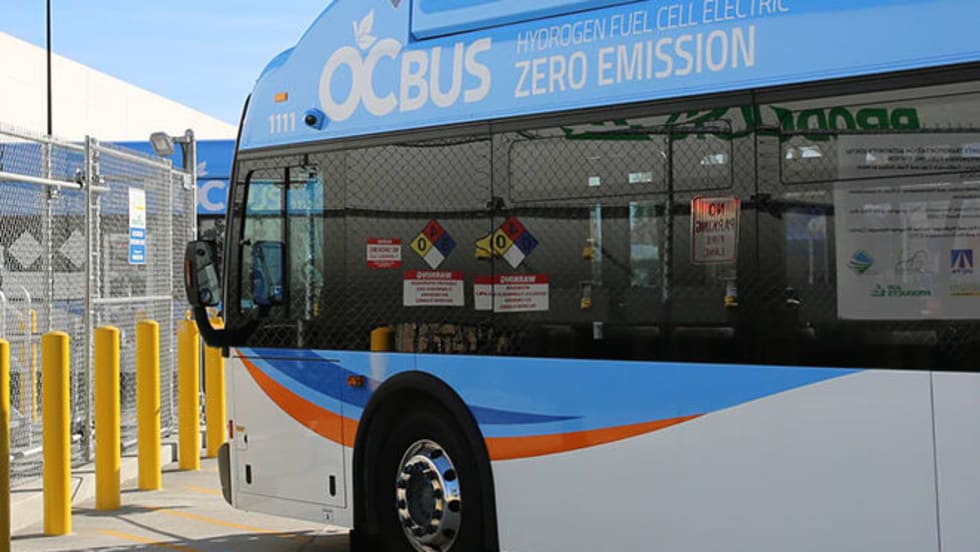
Biz Briefs: OCTA Taps Clean Energy for Hydrogen Station, Stadler to Supply Via Rail Vehicles, and More
From manufacturers and suppliers to transit agencies and motorcoach operators, these updates offer a snapshot of the projects, partnerships and business moves driving the industry forward.
Read More →
METRO Magazine Announces 2026 Innovative Solutions Awards Winners
Projects Recognized for Advancing Mobility Through Technology, Accessibility, Workforce Innovation, and Operational Excellence
Read More →
Biz Briefs: STV teams with Amtrak, Motorcoach Operators Boost Fleet and Land Contracts, and More
From manufacturers and suppliers to transit agencies and motorcoach operators, these updates offer a snapshot of the projects, partnerships and business moves driving the industry forward.
Read More →
LA Metro Marks Banner Year, Sets Ambitious Goals for New Fiscal Year
Incoming LA Metro Board Chair and Los Angeles Mayor Karen Bass joined outgoing Board Chair Fernando Dutra and LA Metro CEO Stephanie Wiggins to review accomplishments from fiscal year 2026, which included the opening of new rail extensions, advancement of major transit projects, expanded safety programs, and new rider amenities.
Read More →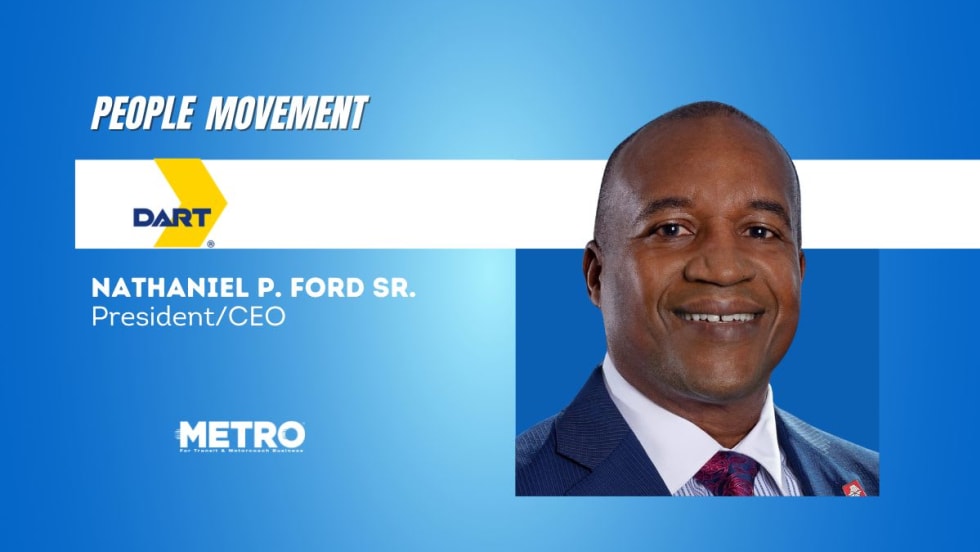
DART Taps Nathaniel P. Ford Sr. as Next President/CEO
Since 2012, Ford has served as the CEO of the Jacksonville Transportation Authority
Read More →
AC Transit’s Cecil Blandon on Building the Next Generation of Transit Maintenance Leaders
The agency’s maintenance chief discusses leadership, workforce development, zero-emission technology, and preparing technicians for the future of public transportation.
Read More →
Building the Next Generation of Transit Technology
In this edition of METROspectives, Luminator CEO Magnus Friberg discusses the company's transformation, the growing role of AI and software, and what's next for transit technology.
Read More →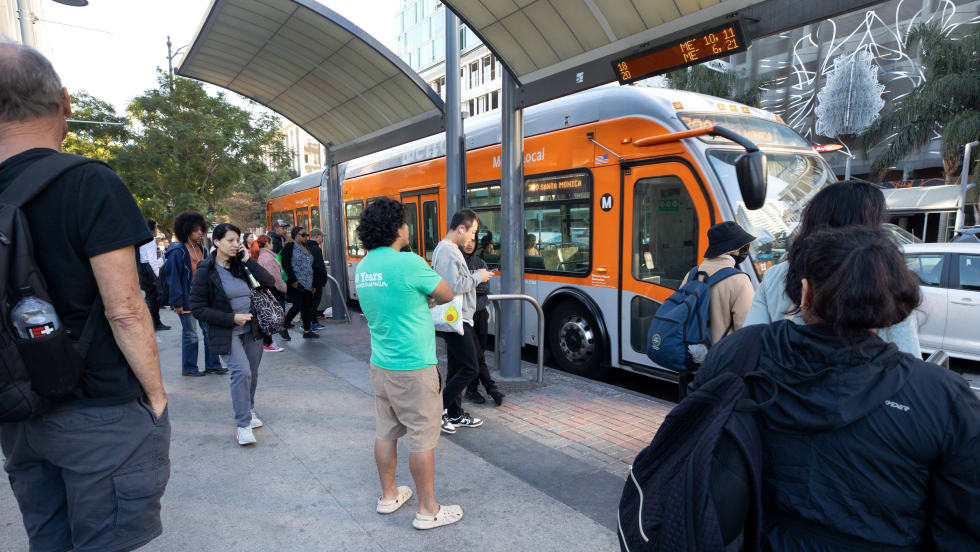
June LA Metro Ridership Surges 2 Million Year Over Year
Total June ridership increased for both weekdays and weekends. Weekday ridership was 953,820, which grew 8.4% from June 2025; Saturdays increased nearly 13% year-over-year to 708,826; and Sundays increased 7.7% to 611,534 from June 2025, according to LA Metro.
Read More →
Washington's Pierce Transit Board Sends Transit Funding Measure to November Ballot
With the adoption of Resolution 2026-006, the measure moves to the Pierce County Auditor, giving voters in the Pierce Transit service area the decision on whether to fund an expansion of local transit service within the agency’s service area.
Read More →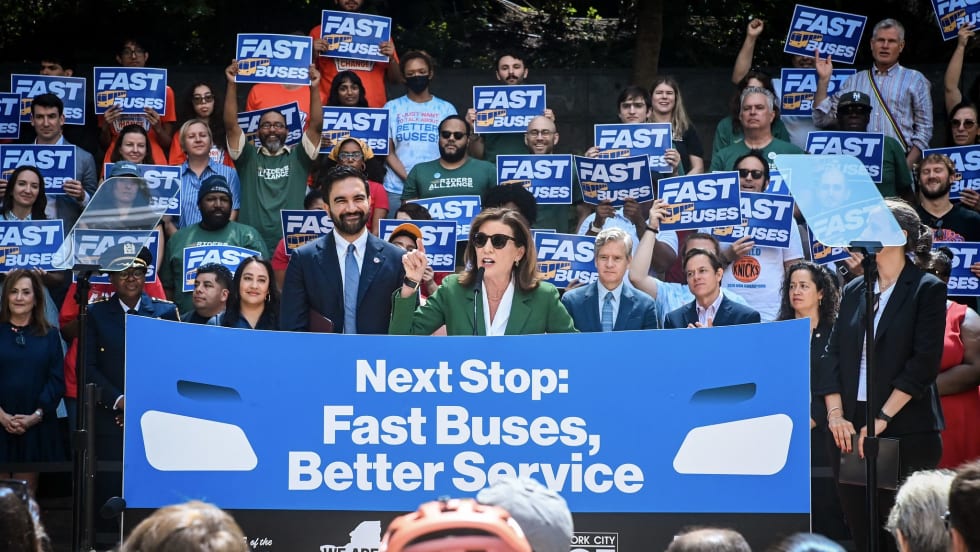
New York Unveils Sweeping Plan to Modernize City Bus Service
Next Stop: Fast Buses, Better Service identifies 50 priority bus corridors for improvements across the five boroughs and launches the City’s next generation of rapid bus service along five key routes.
Read More →