



Marsella to leave Denver RTD
In addition to his agency accomplishments, Marsella was also selected by the APTA as the Outstanding Public Transportation Manager in 2006.

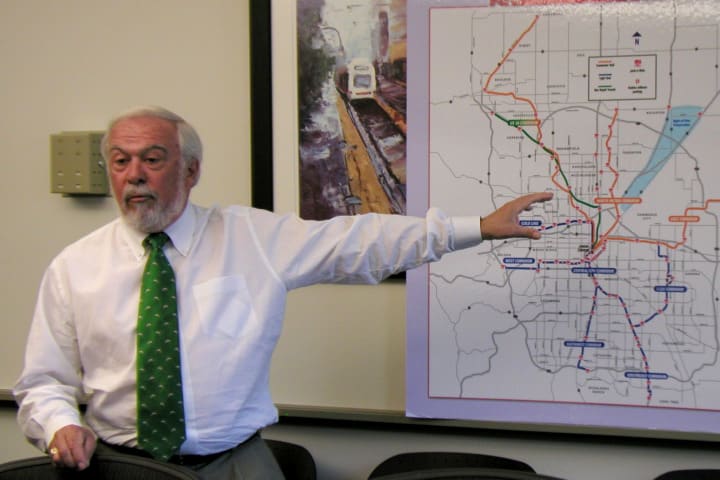
Cal Marsella, GM/CEO of the Denver Regional Transportation District (RTD), will be leaving the agency on July 31 after 14 years to accept a high-level position with a private sector firm. The RTD Board of Directors is expected to establish a comprehensive search process in the next several weeks.
“This was a tough decision, but I welcome the challenge of moving to another opportunity that I simply could not pass up,” Marsella said. “We have made extraordinary accomplishments, which is why last year we were once again named the most outstanding transit agency. The RTD staff is the best in the nation, so RTD is well-positioned to continue with the incredible achievements we have made as a team with the RTD Board that will serve the entire metro area for this and future generations.”
Under Marsella’s leadership, RTD has made numerous major accomplishments, including securing RTD’s first federal Full Funding Grant Agreement (FFGA) for a light rail line with the $120 million FFGA for the Southwest Light Rail line that was signed by then-US Secretary of Transportation Federico Pena in 1996; and opening the Southwest Light Rail Line in 2000 on time and within budget; securing the $525 million federal FFGA for the Southeast Light Rail Line for the T-REX Project.
Other accomplishments include purchasing Denver Union Station in 2001 in partnership with the City and County of Denver, the Denver Regional Council of Governments and the Colorado Department of Transportation; and developing over a seven year period the FasTracks comprehensive transit system for the metro region, which was overwhelmingly approved by voters in 2004, that will build 122 miles of new light rail and commuter rail, build 21,000 additional parking spaces at transit park-n-Rides, add 18 miles of bus rapid transit service and build 57 new transit stations.
In addition to his agency accomplishments, Marsella was also selected by APTA as the Outstanding Public Transportation Manager in 2006, by the University of Colorado Real Estate Council as their 2006 Person of the Year, and by Colorado Association of State Transportation Agencies as the Transportation Professional of the Year in 2000.
More Bus
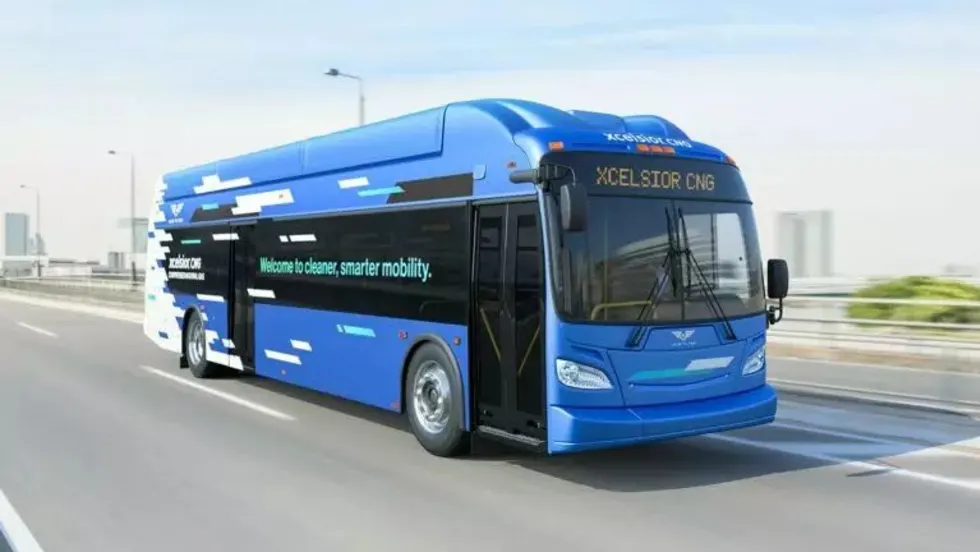
Biz Briefs: New Flyer Delivers in Columbus, Houston, Beep and Freebee Merge, and More
In this edition of Biz Briefs, we spotlight the latest developments shaping the future of mobility.
Read More →
People Movement: Dan Dipert Coaches Adds Third-Generation Leader, Keolis Names New Valley Metro VP/GM, and More
In this edition, we also cover recent appointments and announcements at the Wabtec, SilverRide, HNTB, and more, showcasing the individuals helping to shape the future of transportation.
Read More →
New York MTA Plans Largest Bus Fleet Upgrade in More Than a Decade
The agency is seeking manufacturers for 650 new CNG buses to replace aging vehicles, improve reliability, and advance its broader fleet modernization strategy.
Read More →
Building a Flexible Path to Transit Electrification
John Hroncich discusses BAE Systems’ modular and scalable approach, lessons learned from decades of real-world operations, and how agencies can identify electrification strategies that fit their fleets.
Read More →
Bus Tech Talk: Keeping Transit Technicians Ahead of the Technology Curve
LA Metro’s Obed Mejia discusses technician training, evolving maintenance technology, fleet replacement, and strategies for getting the most out of today’s transit fleets.
Read More →
Biz Briefs: RIPTA Unveils New Frontrunners, Clevland RTA Adds New Siemens, and More
In METRO's latest installment, we take a look at recent news from Siemens, Prevost, Dodge, and more partnerships making headlines across the transportation sector.
Read More →
People Movement: Holly Arnold Joins Transdev and More
In this edition, we also cover recent appointments and announcements at Pace, CamTran, MCI, and more, showcasing the individuals helping to shape the future of transportation.
Read More →
The High Cost of Transit Buses: Industry Leaders Look to Procurement Reform
Transit leaders and policymakers examine how standardized bus designs, streamlined procurement, and predictable funding could help agencies stretch budgets and deliver better service.
Read More →
The Business Voice Behind Public Transportation
As chair of APTA’s Business Members Board of Governors, Ray Melleady explains how more than 850 business members are partnering with transit agencies to advance funding, innovation, and industry-wide collaboration.
Read More →
From Surviving to Thriving: Building Stronger Transportation Organizations
Bus Business Consultants founder Brian Dickson shares lessons on leadership, organizational health, and creating options for long-term success in a changing transportation industry.
Read More →