



Denver's P3 commuter rail project receives TIFIA loan
Will use loan to fund a portion of its contribution to the project and will begin drawing on the funds in 2013. In addition to FTA's contribution to the project, a consortium of private companies, known as the Denver Transit Partners, is responsible for financing around 24% of the project through tax-exempt private-activity bonds issued by RTD, equity contributions and other means.

The Denver Regional Transportation District (RTD) received a federal loan for up to $280 million to advance construction on the 30-mile Eagle P3 commuter rail project, which will significantly expand transportation choices in the greater Denver area.
The project is a two-pronged effort. The western segment of Eagle P3, known as the Gold Line, will serve the suburbs of Arvada and Wheat Ridge. The East Line will run from Denver's historic Union Station nearly 23 miles east to Denver International Airport and will connect to existing light rail and bus service. Both lines are under construction and roughly 4,700 construction-related jobs are expected to be generated by the work.
The U.S. Department of Transportation's Transportation Infrastructure Finance and Innovation Act (TIFIA) program, which provides credit assistance for infrastructure projects, is the source of the loan to RTD. This funding boost is in addition to a $1 billion federal funding agreement for the project signed in August by Secretary Ray LaHood and Federal Transit Administrator (FTA) Peter Rogoff.
The RTD is the first transit agency in the nation to successfully pursue a comprehensive public-private partnership, or P3, that draws on a mix of federal loans and grants and private investment to move major capital transit projects in the region forward. The partnership encompasses all phases of design, construction, financing, operation and maintenance.
RTD will use the TIFIA loan to fund a portion of its contribution to the project and will begin drawing on the funds in 2013. In addition to FTA's contribution to the project, a consortium of private companies, known as the Denver Transit Partners, is responsible for financing around 24% of the project through tax-exempt private-activity bonds issued by RTD, equity contributions and other means.
The entire project should be completed in 2016. The new railcars slated for use on the commuter line will be assembled in the U.S. and will consist of at least 60% U.S.-made components, consistent with the FTA's Buy America requirements.
Together, the Eagle P3 project and Denver Union Station's ongoing renovation are part of RTD's far-reaching FasTracks program - a voter-approved, multiyear, multibillion-dollar transit expansion program covering 140 miles of rail and bus corridors that will help Denver to successfully manage growth and compete for business for years to come.
More Bus

Pierce Transit Moves to Expand Fleet Following Proposition 1 Approval
The agency authorized the purchase or refurbishment of up to 60 buses to support a 47% service expansion, as voters nationwide approved billions in new transit funding.
Read More →
Transit Expands Agency Partnerships, Reaching 200 Official App Partners
COO Jake Sion discusses Transit’s growth, the success of its Transit Royale program, and how technology is helping agencies improve the rider experience.
Read More →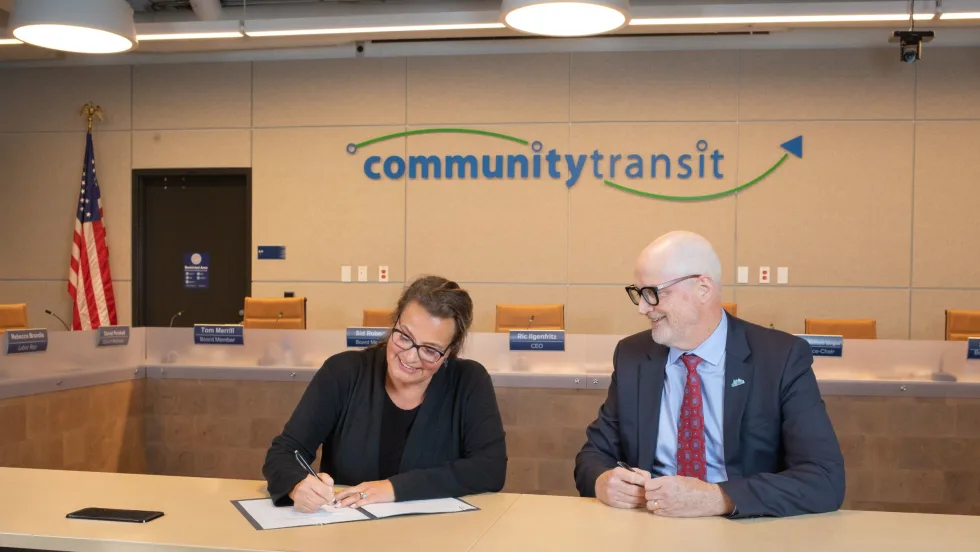
Everett Transit, Community Transit Approve Consolidation of Services
The agreement will bring Everett Transit into Community Transit’s network in April 2027, with plans to increase bus service by 50% by 2031 and expand regional connections.
Read More →
Brian Dickson on Building Stronger, More Resilient Transportation Organizations
Bus Business Consultants Founder Brian Dickson discusses the leadership principles, operational discipline, and strategic planning that separate transportation companies positioned for long-term success from those stuck in survival mode.
Read More →
LA Metro Breaks Ground on Vermont BRT Project
The 12.4-mile corridor is projected to serve 66,200 daily riders, reduce travel times by up to 24%, and create the nation's busiest bus rapid transit corridor.
Read More →
Roman Cornell on ABC Companies’ Evolution and the Future of Passenger Transportation
The company’s CEO discusses carrying forward a third-generation family legacy, ABC’s continued evolution in passenger transportation, support for increasingly complex fleets, and how technology and continued investment could help operators improve uptime.
Read More →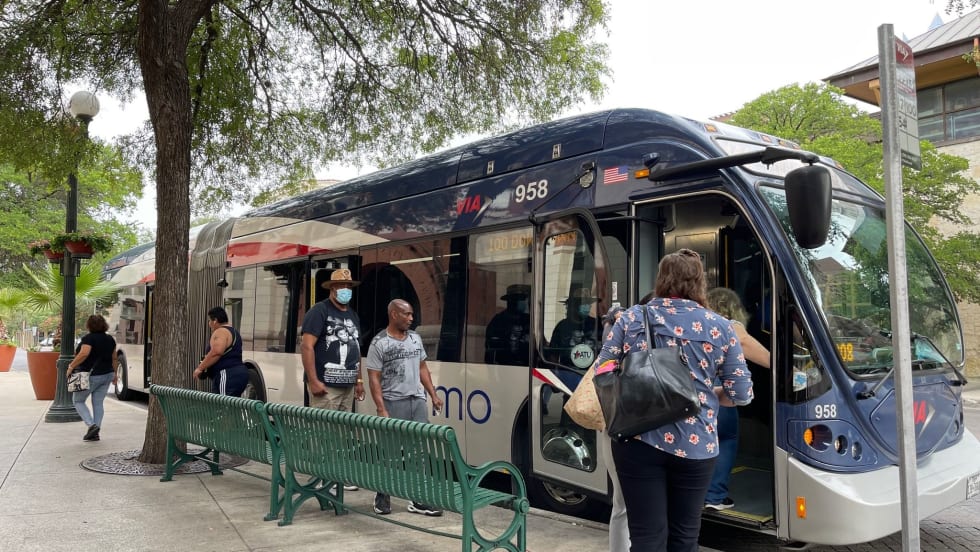
VIA Bus Ridership Grows 10.1% Through August 2026
San Antonio's VIA Metropolitan Transit reported the highest bus ridership growth among major Texas transit systems. Federal Transit Administration data ranked it second among the nation's 50 largest transit systems.
Read More →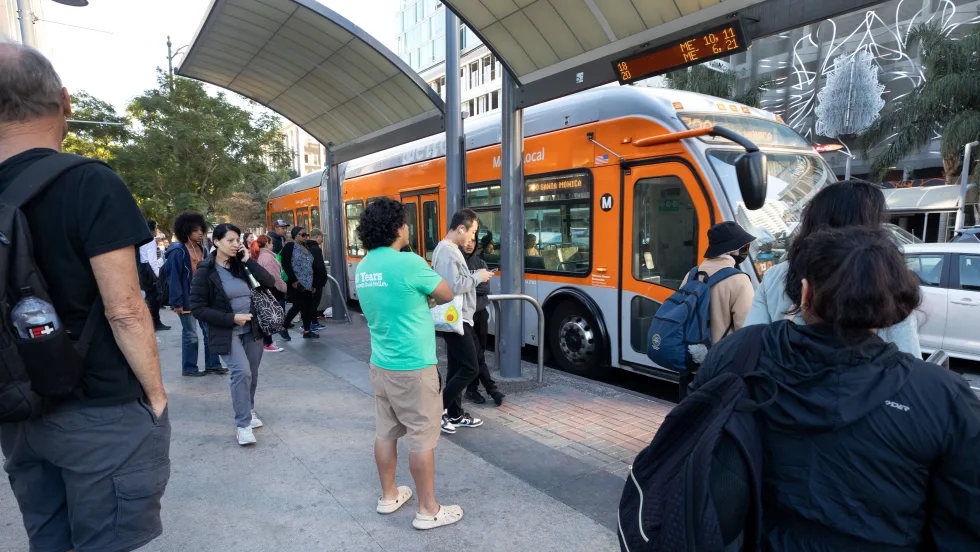
LA Metro September Ridership Climbs 3.9%, Led by Rail Growth
The agency recorded more than 27.2 million boardings, with rail ridership increasing 12.4% year over year and the D Line posting the largest gains.
Read More →
Frontrunner Bus Group Introduces XF Low-Floor Bus with Enhanced Accessibility
The new mid-sized bus features a full flat-floor design, eight-inch curbside step-in height, and zero-entry rear ramp to improve passenger access and operational flexibility.
Read More →
Scenes from APTA TRANSform & EXPO 2026
Transit leaders, manufacturers, and industry professionals gathered in Chicago to explore new technologies, share ideas, and discuss the future of public transportation.
Read More →