



Mich. private-partnership introduces Detroit airport service
TheRide, Michigan Flyer, the University of Michigan, the Ann Arbor Downtown Development Authority, and the Ann Arbor Convention and Visitors Bureau work together to launch AirRide.

Ann Arbor, Mich. residents can now take one of 12 trips offered daily by the new AirRide public transportation service to Detroit Metro Airport. The convenient service to or from the airport will be offered at an introductory price of $10 each way with advance reservation through July 30.
“Ann Arbor residents have been asking for a public transportation option between Ann Arbor and Detroit Metro Airport for several years,” Michael Ford, CEO of the Ann Arbor Transportation Authority (TheRide), said at a celebration ceremony. “We’re proud to finally bring this service to Ann Arbor residents and we’re grateful for our partners’ help in making it happen.”
AirRide is a public-private partnership between TheRide, Michigan Flyer, the University of Michigan, the Ann Arbor Downtown Development Authority, and the Ann Arbor Convention and Visitors Bureau.
The organizations celebrated their partnership at the Kensington Court hotel, one of the three stops in Ann Arbor that will be served by AirRide.
Bus stops for the service in Ann Arbor include 12 stops daily at the Blake Transit Center and Kensington Court Hotel and four stops daily at the University of Michigan Central Campus Transit Center. At the airport, AirRide offers bus stops at both the McNamara and North terminals. The buses feature comfortable seating, wireless internet and restroom amenities.
Because AirRide is a public-private partnership, it also saves taxpayer dollars. While the total cost of the new service is $1.2 million, state operating assistance, passenger fares and private contractor contributions bring TheRide’s direct annual cost for the service to $303,400.
More Bus
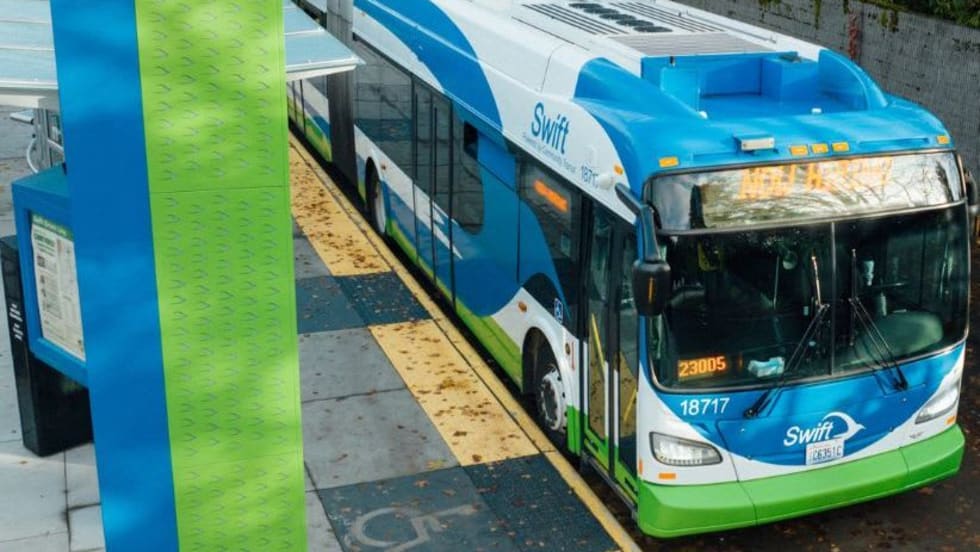
Washington's Community Transit Sets Six-Year Roadmap for Growth, Expansion
Approved TDP targets more bus service, new mobility options, Swift BRT expansion, and a potential Everett Transit annexation.
Read More →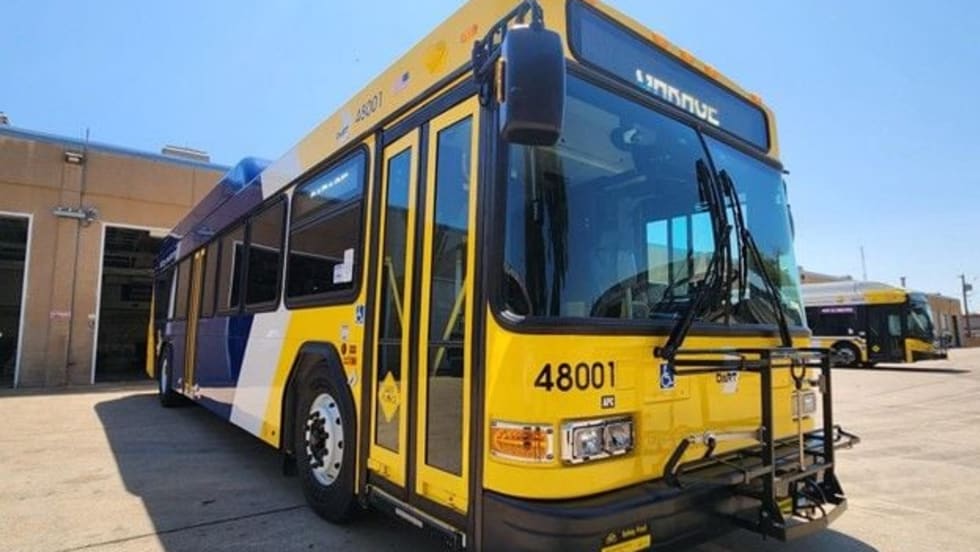
DART Customer Satisfaction Reaches Six-Year High
Overall satisfaction rose to 74.9%, while the agency’s Net Promoter Score reached a record 33.7.
Read More →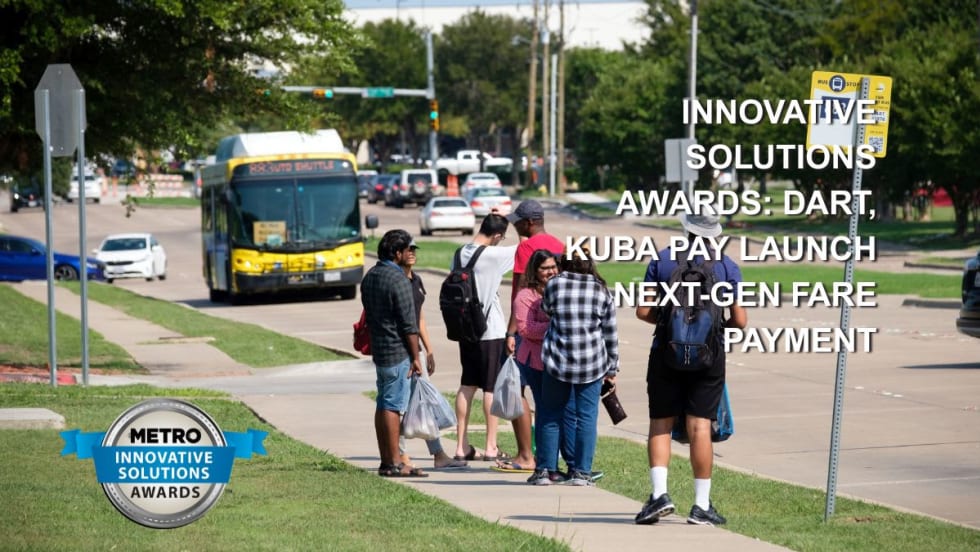
How DART's GoPass Is Redefining Regional Mobility
Serving 14 transit agencies, GoPass simplifies multimodal travel by allowing riders to plan, pay for, and manage an entire trip through one app.
Read More →
Biz Briefs: OCTA Taps Clean Energy for Hydrogen Station, Stadler to Supply Via Rail Vehicles, and More
From manufacturers and suppliers to transit agencies and motorcoach operators, these updates offer a snapshot of the projects, partnerships and business moves driving the industry forward.
Read More →
METRO Magazine Announces 2026 Innovative Solutions Awards Winners
Projects Recognized for Advancing Mobility Through Technology, Accessibility, Workforce Innovation, and Operational Excellence
Read More →
Biz Briefs: STV teams with Amtrak, Motorcoach Operators Boost Fleet and Land Contracts, and More
From manufacturers and suppliers to transit agencies and motorcoach operators, these updates offer a snapshot of the projects, partnerships and business moves driving the industry forward.
Read More →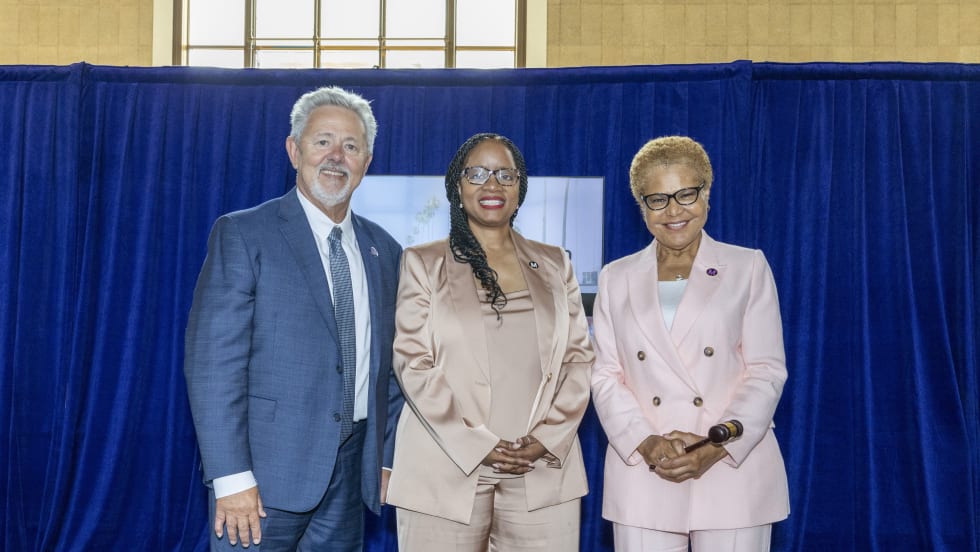
LA Metro Marks Banner Year, Sets Ambitious Goals for New Fiscal Year
Incoming LA Metro Board Chair and Los Angeles Mayor Karen Bass joined outgoing Board Chair Fernando Dutra and LA Metro CEO Stephanie Wiggins to review accomplishments from fiscal year 2026, which included the opening of new rail extensions, advancement of major transit projects, expanded safety programs, and new rider amenities.
Read More →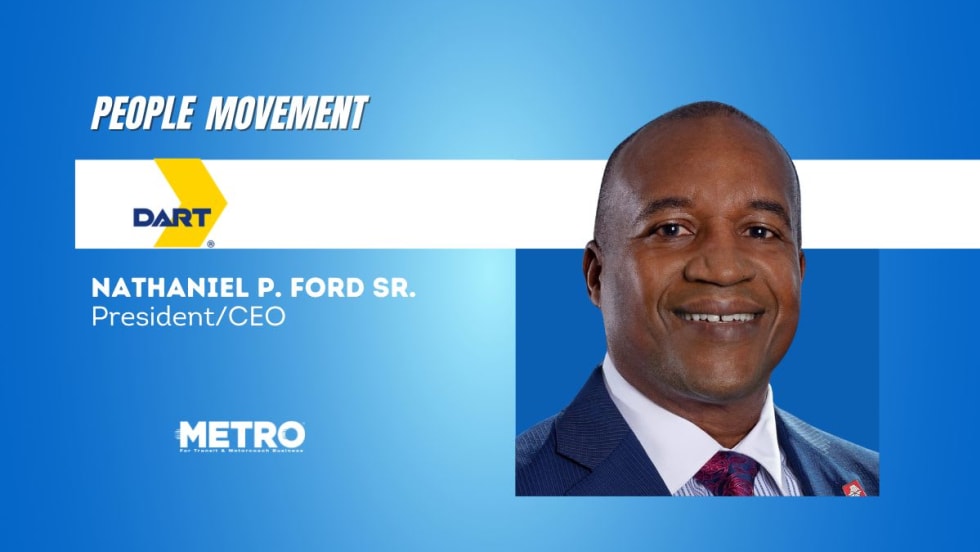
DART Taps Nathaniel P. Ford Sr. as Next President/CEO
Since 2012, Ford has served as the CEO of the Jacksonville Transportation Authority
Read More →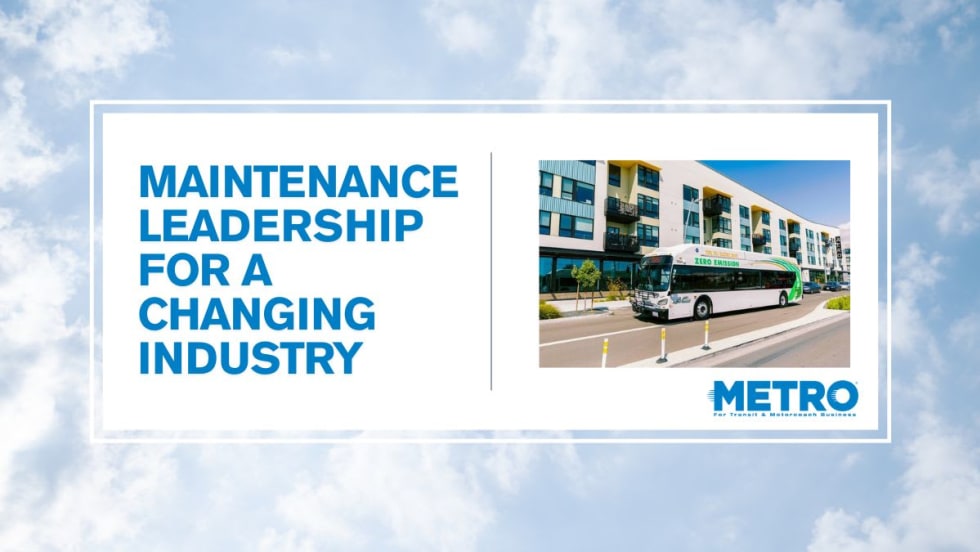
AC Transit’s Cecil Blandon on Building the Next Generation of Transit Maintenance Leaders
The agency’s maintenance chief discusses leadership, workforce development, zero-emission technology, and preparing technicians for the future of public transportation.
Read More →
Building the Next Generation of Transit Technology
In this edition of METROspectives, Luminator CEO Magnus Friberg discusses the company's transformation, the growing role of AI and software, and what's next for transit technology.
Read More →