



Report: Equitable TOD creates better communities
Identifies the systemic challenges of developing and financing equitable TOD projects and offers concrete national and regional capital and policy ideas to grow the sector.

A new report finds that more intentional collaboration and smarter investments are necessary to extend the benefits of transit oriented development (TOD), such as healthy, walkable communities to households of every income level.
The report, “Filling the Financing Gap for Equitable Transit-Oriented Development,” identifies the systemic challenges of developing and financing equitable TOD projects — those that prioritize social equity and incorporate community services — and offers concrete national and regional capital and policy ideas to grow the sector.
Two national nonprofit leaders in equitable TOD financing, Enterprise Community Partners Inc. (Enterprise) and the Low Income Investment Fund (LIIF), authored the paper, which was commissioned by the philanthropic collaborative Living Cities. Equitable TOD promotes development along public transit lines that includes elements that benefit lower income residents, such as affordable housing, health clinics, living wage jobs, fresh food markets, schools and childcare centers.
"Equitable transit-oriented development has the potential to improve the lives and prospects of low-income communities," said Robin Hacke, director of capital formation at Living Cities. "Our goal with this report is to help the field make these projects easier to finance and build. By dispelling the notion that successful TOD requires rocket science, we hope to see more cities implement these strategies successfully."
While shown to have significant potential economic, environment and health benefits for communities and residents, equitable TOD projects are generally complex, large-scale and require coordination among multiple parties. The paper looks at the lessons learned from four regions that have tackled equitable TOD projects: Atlanta, Denver, the Twin Cities and the San Francisco Bay Area.
Through research that included interviews with national and regional TOD experts, “Filling the Financing Gap for Equitable Transit-Oriented Development” uncovers challenges but also many promising solutions to advance equitable TOD, such as providing robust technical assistance and knowledge-sharing platforms; expanding the collaborative effort to make federal, state and local policy changes to encourage equitable TOD; and creating more equitable TOD demonstration programs across the country.
RELATED ARTICLE: Check out, "Greater Opportunities for TOD."
More Bus
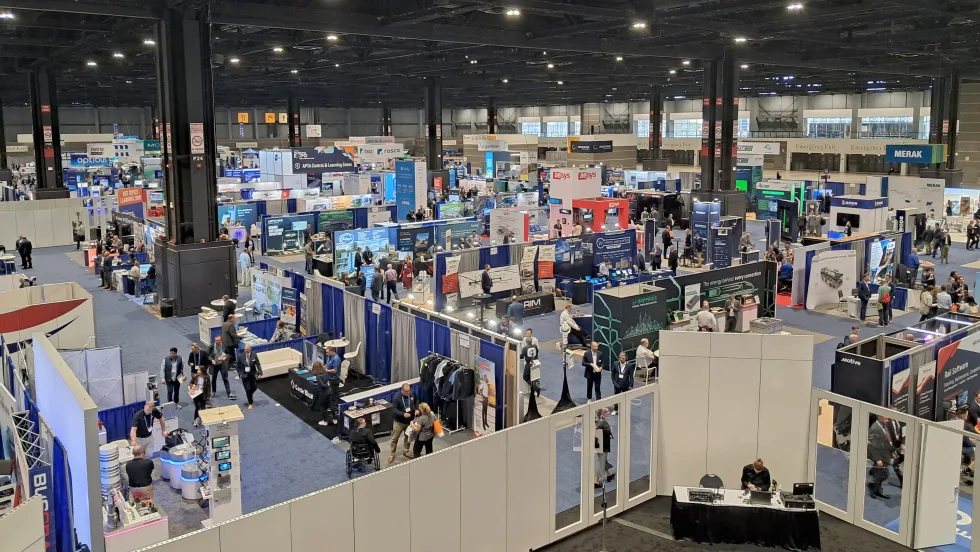
Scenes from APTA TRANSform & EXPO 2026
Transit leaders, manufacturers, and industry professionals gathered in Chicago to explore new technologies, share ideas, and discuss the future of public transportation.
Read More →
More Than a Summer Job: Building the Next Generation of Transit Talent
The Delaware River Port Authority and PATCO have transformed their internship program into a hands-on professional development experience that introduces students to the breadth of transportation careers — and creates a pipeline for future employees.
Read More →
LA Metro Board Awards 220 Battery-Electric Bus Contract to ENC
The contract, which is the largest base award of battery-electric buses by a U.S. transit agency, will be built in Southern California, sustaining good jobs as LA prepares to welcome the world in 2028
Read More →
Public Transit Conference Returning to GFX in 2027, Call for Papers Now Open
The Call for Papers is now open, allowing transit agency professionals and industry experts to help shape the PTC educational program by submitting session ideas for consideration.
Read More →
Indian River Transit’s Community-Focused Approach Earns National Recognition
Named APTA’s 2026 Outstanding Public Transportation System in its size category, Florida’s Indian River County transit system continues to grow ridership through fare-free service and a focus on evolving community needs.
Read More →
ENC Lands MATA Contract and More in Biz Briefs
In this edition of Biz Briefs, we spotlight the latest developments shaping the future of mobility.
Read More →
From Surviving to Thriving: Building Stronger Transportation Organizations
Bus Business Consultants founder Brian Dickson shares lessons on leadership, organizational health, and creating options for long-term success in a changing transportation industry.
Read More →
Everett Transit, Community Transit Outline Consolidation Agreement
The proposed agreement calls for a 50% increase in bus service in Everett, a new microtransit zone, continued paratransit service, and the transfer of Everett Transit operations to Community Transit.
Read More →
SEPTA Details Accelerate Vision for Transit System
The plan outlines investments in trolley modernization, new Metro and Regional Rail vehicles, accessible stations, and more frequent bus and rail service.
Read More →
Report: Transit Bus Manufacturing Supports 34,100 Jobs, $5.1B in GDP
The “Buses Mean Business” report examines the transit bus manufacturing industry’s economic footprint, supply chain, and rising demand for vehicle replacements.
Read More →