



TriMet aims to roll out electronic fare system in 2015
Would start the system on a limited basis and fully launch it in 2017. Expects employee testing to be underway by September 2015, when the Portland-Milwaukie Light Rail line opens.

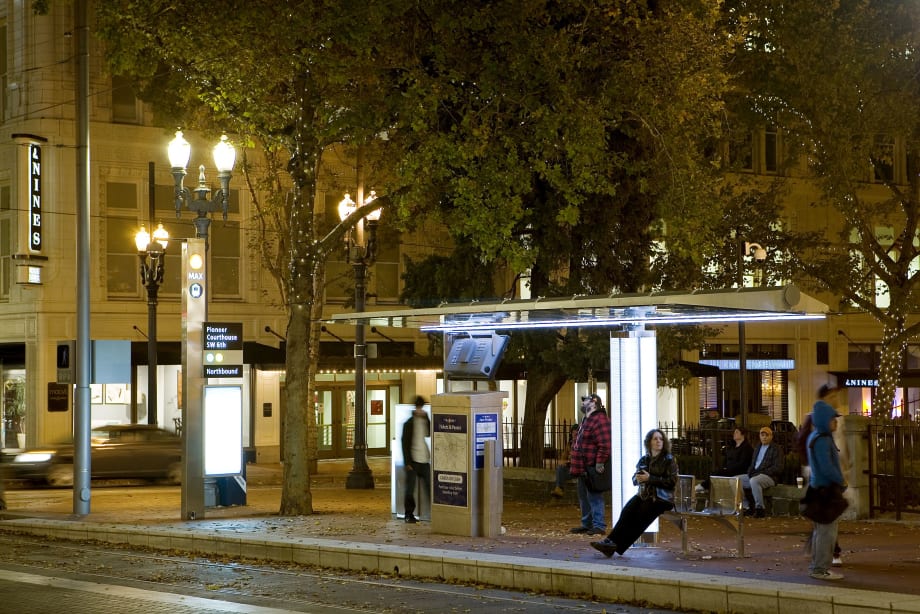
Photo courtesy TriMet

Portland, Ore.-based TriMet plans to implement an electronic fare system, beginning on a limited basis, as early as September 2015 with a full launch in 2017.
Electronic fares, or eFares, will allow riders to conveniently and quickly pay fares by tapping a contactless payment device against an electronic reader — no exact change or paper ticket needed.
Fares could be purchased with a transit-only smart card; using a bank-issued credit or debit card equipped with a microchip; or via a smartphone equipped with Near Field Communications. Riders simply tap one of these payment options against an electronic reader or validator near the fare box on a bus or on a MAX platform.
For those who don’t have a bank account, eFare cards similar to gift cards could be purchased and money loaded onto them. The cards could be purchased at convenience stores, grocery stores and other retail outlets. This will improve access for everyone, especially low-income riders.
Another benefit for frequent transit users and low income riders would be daily and monthly caps on fares paid. Currently a Day Pass costs $5 for an adult and is good for unlimited trips in a given day. The eFare system would also have a daily maximum cost. The same is true on a monthly basis.
According to the agency, TriMet will be the first U.S. multimodal transit system to implement a mobile ticketing smartphone app that lets riders buy and use tickets on smartphones for use on our buses and trains. The free TriMet Tickets mobile app will be launched in August.
The eFare system will cost up to $30 million to implement, but should pay for itself over time. It’s expected to reduce fare evasion, increase revenue, and reduce costs associated with ticket vending machines, cash purchases and collection processing.
While an eFare system would not replace TriMet’s current ticket vending machines, the agency expects eFare incentives and adjustments to the machines to drive more riders to electronic payment.
No decisions will be made until the public can weigh in on possible changes.
This summer, TriMet will send out requests for proposals from contractors who could provide elements of the eFare system. By September 2015, when the Portland-Milwaukie Light Rail line opens, employee testing is expected to be underway. In 2016, TriMet plans to move to limited customer segment testing and then launch eFare systemwide in 2017.
RELATED: "Calif.'s NCTD to launch mobile ticketing app"
More Bus

Executive Order Aims to Improve Transit Access Across California
The order directs state agencies to streamline transit project delivery, improve coordination, and expand access to bus and passenger rail services across California.
Read More →
Biz Briefs: Endera Delivers to California, Safety Vision Teams with San Antonio's VIA, and More
From manufacturers and suppliers to transit agencies and motorcoach operators, these updates offer a snapshot of the projects, partnerships and business moves driving the industry forward.
Read More →
VIA's Silver Line Clears Environmental Review, Advances Toward Construction
The VIA Rapid Green Line is currently under construction, with service expected to begin in April 2028.
Read More →
Modernizing Mobility with CharterUP CEO Armir Harris
From digital transformation to evolving customer demands, CharterUP's Armir Harris offers his perspective on the transportation industry's next chapter.
Read More →
CTTC Enhances Transit Workforce Pipeline Through New Partnerships and Leadership
The group's latest initiatives focus on developing talent, expanding training opportunities and addressing workforce needs across the transit sector.
Read More →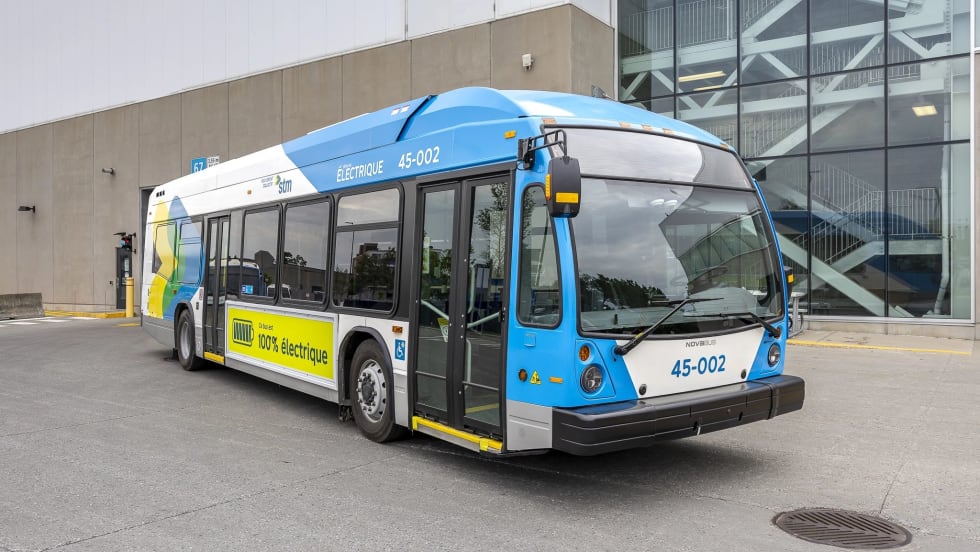
Biz Briefs: Montréal Debuts Nova Electric Buses and More
In this edition of Biz Briefs, we spotlight the latest developments shaping the future of mobility.
Read More →
The Hidden Cost of Fuel Data Inaccuracy in Public Transit Fleets
In today's transit environment, accurate fuel and mileage data are critical to reducing costs, minimizing downtime, and improving fleet performance.
Read More →
Virginia's $28.5B Transportation Plan Targets Transit and Rail
Approved by the Commonwealth Transportation Board, the program supports ongoing infrastructure projects while providing new investments in transit, state of good repair and transportation alternatives.
Read More →
Bipartisan BUSES Act Seeks Changes to New York City's Bus Idling Enforcement Program
Backed by motorcoach operators, the legislation seeks to balance emissions goals with passenger safety by allowing limited idling for inspections, accessibility needs and extreme weather conditions.
Read More →
D Line Expansion Fuels Growth Across LA Metro's Rail System
Weekend rail ridership was especially strong, soaring 18% as riders embraced expanded access to jobs, entertainment, dining, and cultural destinations, said the agency. Total system ridership for May, including bus and rail, was 26,966,657.
Read More →