



APTA Report: 70% of millennials go multimodal
The study shows that while car-sharing, bike-sharing, walking and car ownership will all play a part in the multi-modal network, public transportation is ranked highest as the best mode to connect to all other modes, according to 54% of millennials polled.

Nearly 70% of millennials, people 18 to 34, use multiple travel options several times or more per week, according to a new American Public Transportation Association (APTA) study “Millennials and Mobility.”
The study shows that while car-sharing, bike-sharing, walking and car ownership will all play a part in the multimodal network, public transportation is ranked highest as the best mode to connect to all other modes, according to 54% of millennials polled.
APTA officials note that the recent trend of smartphone applications allows public transit users to be increasingly spontaneous and flexible with their travel decisions. This is a game-changing element because it closes the gap with the perceived benefit of auto use.
“Public transportation is the backbone of a multi-modal transportation system because it provides the opportunity to multi-task and socialize online while traveling,” said APTA Chair Peter Varga. “This study shows that millennials are leading a trend of Americans who are returning to walkable cities and suburbs with multiple transportation options that include vibrant public transportation. This data is proof positive that America’s future is riding on public transportation.”
According to the study, the top five reasons and motivations for choosing public transportation are pragmatic, as 46% state that a need to save money drives their choices, 46% note convenience, 44% want exercise and 35% say they live in a community where it just makes more sense to use public transportation.
“Now is the time to be proactive in creating this multi-modal transportation system to address the millennial generation’s demands and lifestyles,” said APTA President/CEO Michael Melaniphy. “This generation wants the pragmatic benefits of having multiple ways to get around. The solution is investment in a long-term transportation bill that includes strong investments in a variety of modes including public transportation.”
Millennials say the key advantages of public transportation are the ability to pay-per-use (58%), protecting the environment (50%), the ability to socialize online (44%) and creating community (44%).
Because of the future demands of this millennial generation, transportation systems and public transportation systems in particular, will be built around the smart phone. APTA anticipates adoption of features such as: smartphone charging stations on vehicles and facilities; fare collection via smartphone; Wi-Fi, 4G and 3G access; apps that connect public transit access to local amenities; seamless multimodal connections such as bike and car share options; and improved pedestrian access to public transit stations.
More New Mobility

From Hardware to Digital Partner: Luminator Charts Its Next Chapter
CEO Magnus Friberg discusses Luminator’s shift toward becoming a digital partner, the growing importance of software and interoperability, and how AI can help agencies improve operations and passenger experience.
Read More →
Biz Briefs: Alstom Lands Canadian Contract, LYT to Supply California TSP, and More
In METRO's latest installment, we take a look at recent news from Complete Coach Works, Beep, FlixBus, and more partnerships making headlines across the transportation sector.
Read More →
CharterUP’s Armir Harris on Technology, AI, and the Future of Group Mobility
In a recent episode of METROspectives, CharterUP Founder/CEO Armir Harris discussed the company’s evolution from an online charter bus marketplace into a technology platform supporting public- and private-sector mobility and much more.
Read More →
Jacksonville’s NAVI Project Charts a New Course for Autonomous Public Transportation
Through its NAVI program, JTA is showing how autonomous vehicles, intelligent infrastructure, and coordinated operations can work together to deliver everyday public transportation.
Read More →
Biz Briefs: Luminator Marks Milestone and More
From manufacturers and suppliers to transit agencies and motorcoach operators, these updates offer a snapshot of the projects, partnerships and business moves driving the industry forward.
Read More →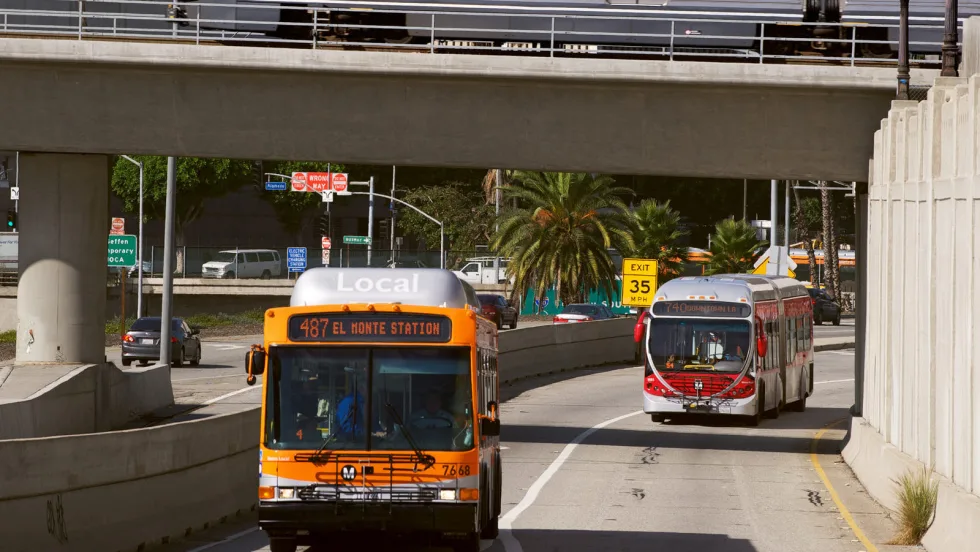
New Tricks for Old Bureaucracies: Joshua Schank on Making Transit Innovation Stick
Former LA Metro Chief Innovation Officer Joshua Schank discusses why good ideas aren't enough, how transit agencies can overcome resistance to change, and why today's challenges demand more innovation.
Read More →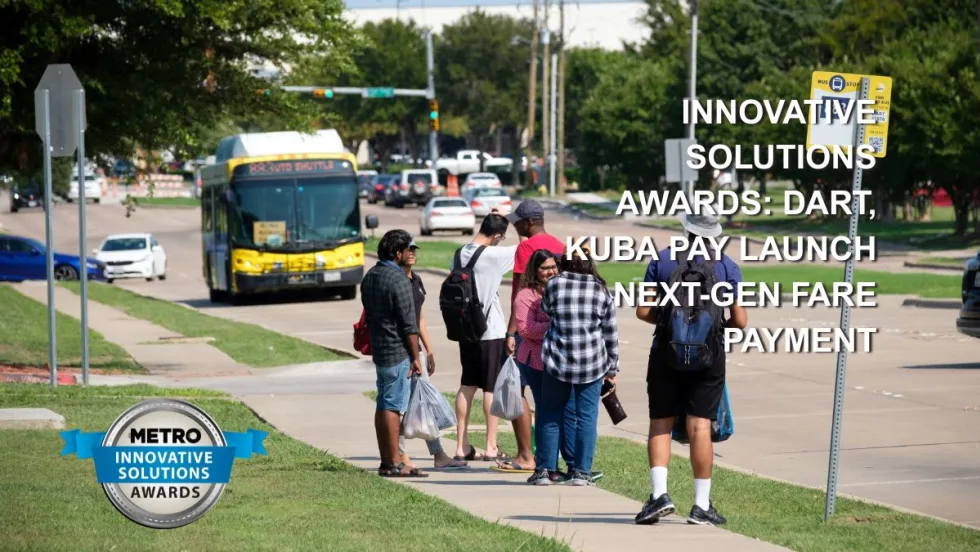
How DART's GoPass Is Redefining Regional Mobility
Serving 14 transit agencies, GoPass simplifies multimodal travel by allowing riders to plan, pay for, and manage an entire trip through one app.
Read More →
Biz Briefs: OCTA Taps Clean Energy for Hydrogen Station, Stadler to Supply Via Rail Vehicles, and More
From manufacturers and suppliers to transit agencies and motorcoach operators, these updates offer a snapshot of the projects, partnerships and business moves driving the industry forward.
Read More →CharterUP Expands Into New Mobility and Autonomous Transportation
Vice President of New Mobility Stephen Joos discusses how CharterUP is leveraging its nationwide transportation network, technology platform, and autonomous vehicle partnerships to expand into workforce mobility, campus shuttles, and transit solutions.
Read More →
METRO Magazine Announces 2026 Innovative Solutions Awards Winners
Projects Recognized for Advancing Mobility Through Technology, Accessibility, Workforce Innovation, and Operational Excellence
Read More →