



NJ Transit to add 84 MCI natural gas buses
Meanwhile, the company announced its Service Centers will deploy three mobile maintenance units in the New York and New Jersey area, Orlando, Fla. and Los Angeles.

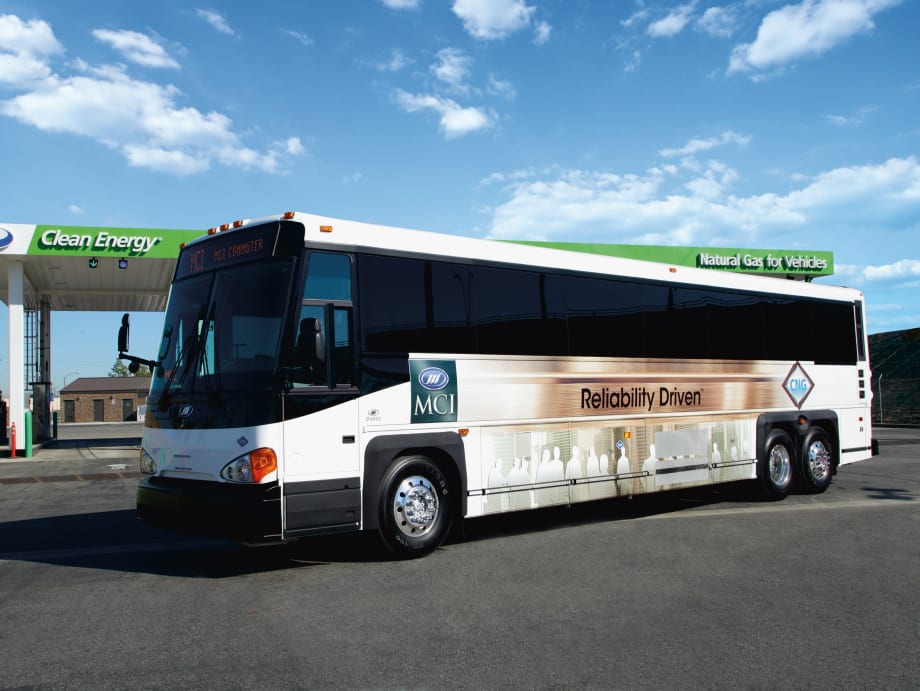
The first U.S. agency to purchase CNG MCI Commuter Coaches, NJ Transit took delivery of 50 of the CNG coaches in 1999 as part of a pilot program, ordering an additional 27 CNG units the following year.
Over the last three decades, MCI has supplied more than 2,350 Commuter Coaches to NJ Transit, which was one of the first agencies to the use the coach to extend its reach into outlying city and suburban areas to better serve the state’s commuter population.
ADA and Buy America compliant, the MCI Commuter Coach is available in clean-diesel, hybrid or CNG configurations. Durably built with a rugged semi-monocoque structure, the MCI Commuter Coach elevates passengers and drivers above traffic for safety and comfort at highway speeds. The MCI CNG Commuter Coach offers exceptionally low carbon dioxide emissions and lower fuel costs, while supporting domestic energy production.
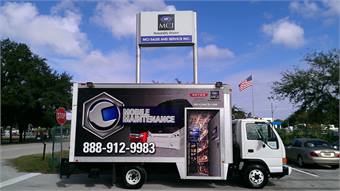
Meanwhile, to make motorcoach maintenance more convenient, MCI Service Centers will deploy three mobile maintenance units in New York and New Jersey area, Orlando, Fla. and Los Angeles.
Top-level technicians will man the units, which will carry diagnostic tools, repair essentials and critical parts required for the inspection, maintenance, and repair of all motorcoach makes and models. The units will travel to serve customers from the nearest MCI Service Center Monday through Friday and will be on call 24 hours a day.
Services will span roadside diagnostics, brakes, air leaks and lights to belts, hose replacements and more. Technicians will be able to create records and issue paperwork on site. A pre-programed GPS system with operator locations and contact information will let technicians provide estimated times of arrival and continued communication.
More Bus

People Movement: Dan Dipert Coaches Adds Third-Generation Leader, Keolis Names New Valley Metro VP/GM, and More
In this edition, we also cover recent appointments and announcements at the Wabtec, SilverRide, HNTB, and more, showcasing the individuals helping to shape the future of transportation.
Read More →
New York MTA Plans Largest Bus Fleet Upgrade in More Than a Decade
The agency is seeking manufacturers for 650 new CNG buses to replace aging vehicles, improve reliability, and advance its broader fleet modernization strategy.
Read More →
Building a Flexible Path to Transit Electrification
John Hroncich discusses BAE Systems’ modular and scalable approach, lessons learned from decades of real-world operations, and how agencies can identify electrification strategies that fit their fleets.
Read More →
Bus Tech Talk: Keeping Transit Technicians Ahead of the Technology Curve
LA Metro’s Obed Mejia discusses technician training, evolving maintenance technology, fleet replacement, and strategies for getting the most out of today’s transit fleets.
Read More →
Biz Briefs: RIPTA Unveils New Frontrunners, Clevland RTA Adds New Siemens, and More
In METRO's latest installment, we take a look at recent news from Siemens, Prevost, Dodge, and more partnerships making headlines across the transportation sector.
Read More →
People Movement: Holly Arnold Joins Transdev and More
In this edition, we also cover recent appointments and announcements at Pace, CamTran, MCI, and more, showcasing the individuals helping to shape the future of transportation.
Read More →
The High Cost of Transit Buses: Industry Leaders Look to Procurement Reform
Transit leaders and policymakers examine how standardized bus designs, streamlined procurement, and predictable funding could help agencies stretch budgets and deliver better service.
Read More →
The Business Voice Behind Public Transportation
As chair of APTA’s Business Members Board of Governors, Ray Melleady explains how more than 850 business members are partnering with transit agencies to advance funding, innovation, and industry-wide collaboration.
Read More →
From Surviving to Thriving: Building Stronger Transportation Organizations
Bus Business Consultants founder Brian Dickson shares lessons on leadership, organizational health, and creating options for long-term success in a changing transportation industry.
Read More →
Finding the ‘Happy Medium’: Optimizing Maintenance Without Sacrificing Reliability
The key to maintenance optimization isn’t doing less work—it’s doing the right work at the right time on the right assets.
Read More →