



Volvo, ABB team for electric bus project
The first joint project will be the implementation of Volvo Electric Hybrids and automatic e-bus chargers in the Luxembourg public transport system.

Under the global partnership agreement, Volvo Buses will supply electric-hybrid buses and full-electric buses, with ABB supplying standard-based fast-charging solutions for the electric vehicles.
The partnership involves working toward a standardization of automatic e-bus fast charging on the market. This can include the communications protocol between infrastructure charging solution and e-bus, electrical interface and specification of the automatic connection system (ACS). The ACS is located on the roof of the bus and connects the bus with the fast charger at selected charging stops.
The first joint project will be the implementation of Volvo Electric Hybrids and automatic e-bus chargers in the Luxembourg public transport system. Potentially 12 Volvo Electric Hybrid buses operated by Sales-Lentz will be running on existing public bus lines in Luxembourg as of 2015.
Sales-Lentz has a history of being an early adopter and was the first European operator running Volvo Hybrids already in 2009. This project is another strong example of a public-private partnership between Sales-Lentz, the ministries of Luxembourg and Volvo Buses.
The project is integrated into Luxembourg’s Mobility Network, a network that links different mobility projects in the Grand Duchy to exploit synergies and develop common visions for the mobility of the future.
The Volvo Electric Hybrid, which reduces energy consumption by 60% compared with a conventional diesel bus, will be officially launched at the IAA exhibition in Hannover in Germany in September. Volvo’s first full-electric buses will be launched in June 2015 within the ElectriCity project in Gothenburg, Sweden.
Volvo Buses launched its first hybrid bus in 2009 and has delivered nearly 1,600 hybrids to 21 countries.
More Bus
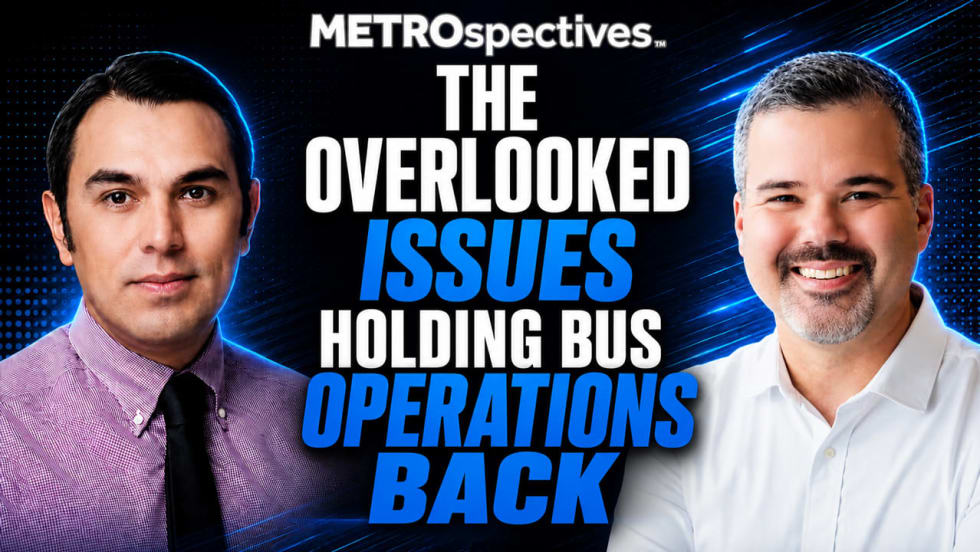
From Surviving to Thriving: Building Stronger Transportation Organizations
Bus Business Consultants founder Brian Dickson shares lessons on leadership, organizational health, and creating options for long-term success in a changing transportation industry.
Read More →
Finding the ‘Happy Medium’: Optimizing Maintenance Without Sacrificing Reliability
The key to maintenance optimization isn’t doing less work—it’s doing the right work at the right time on the right assets.
Read More →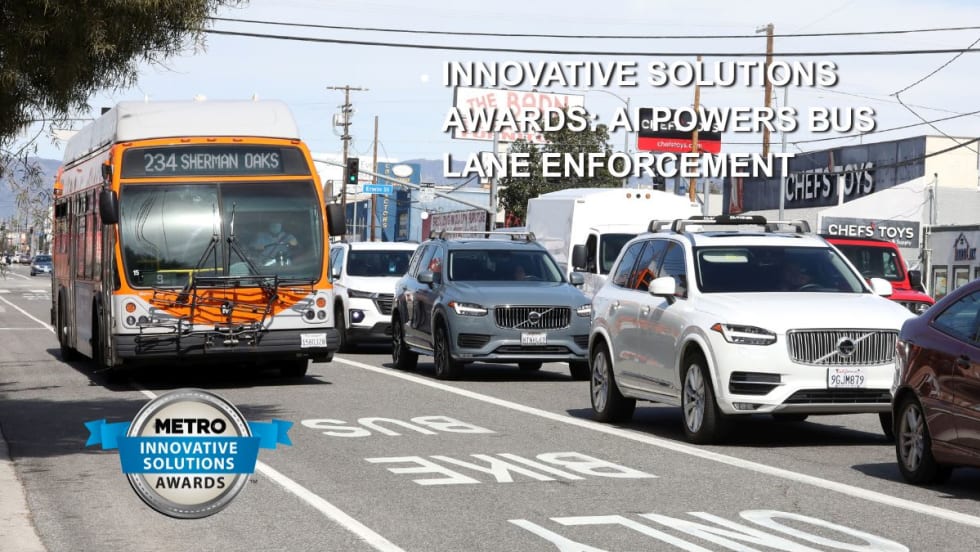
LA Metro, City of West Hollywood, and Partners Advance Smarter Bus Lane Enforcement
The award-winning partnership combines AI-powered detection with human oversight to improve bus reliability, accessibility, and enforcement efficiency.
Read More →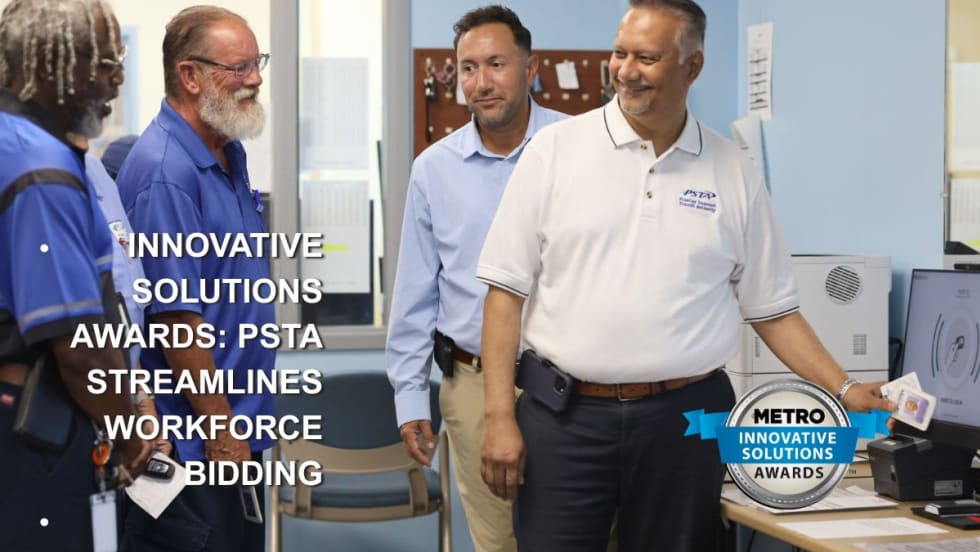
PSTA Modernizes Workforce Management with Digital Bidding System
The award-winning Workforce Transit Modernization project replaced paper bidding with a transparent digital platform, cutting administrative effort while improving access for operators.
Read More →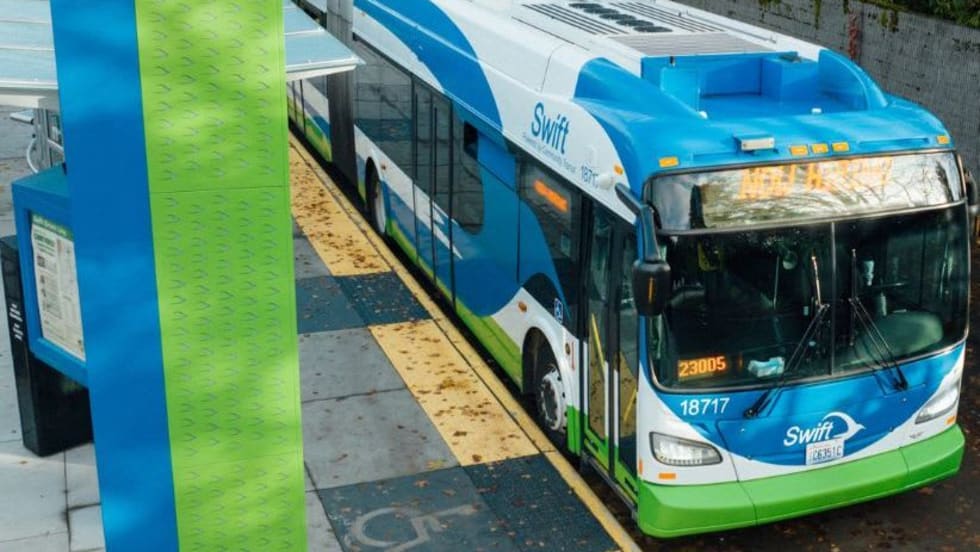
Washington's Community Transit Sets Six-Year Roadmap for Growth, Expansion
Approved TDP targets more bus service, new mobility options, Swift BRT expansion, and a potential Everett Transit annexation.
Read More →
DART Customer Satisfaction Reaches Six-Year High
Overall satisfaction rose to 74.9%, while the agency’s Net Promoter Score reached a record 33.7.
Read More →
How DART's GoPass Is Redefining Regional Mobility
Serving 14 transit agencies, GoPass simplifies multimodal travel by allowing riders to plan, pay for, and manage an entire trip through one app.
Read More →
Biz Briefs: OCTA Taps Clean Energy for Hydrogen Station, Stadler to Supply Via Rail Vehicles, and More
From manufacturers and suppliers to transit agencies and motorcoach operators, these updates offer a snapshot of the projects, partnerships and business moves driving the industry forward.
Read More →
METRO Magazine Announces 2026 Innovative Solutions Awards Winners
Projects Recognized for Advancing Mobility Through Technology, Accessibility, Workforce Innovation, and Operational Excellence
Read More →
Biz Briefs: STV teams with Amtrak, Motorcoach Operators Boost Fleet and Land Contracts, and More
From manufacturers and suppliers to transit agencies and motorcoach operators, these updates offer a snapshot of the projects, partnerships and business moves driving the industry forward.
Read More →