



Lytx to equip entire Cleveland transit fleet
Greater Cleveland Regional Transit Authority’s six-month trial included 100 vehicles in a side-by-side comparison based on the driver coaching criteria from each participating vendor’s system.


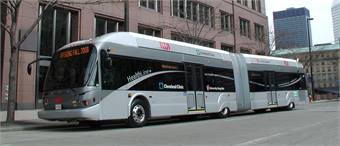
GCRTA’s six-month trial included 100 vehicles in a side-by-side comparison based on the driver coaching criteria from each participating vendor’s system. Lytx successfully met all of GCRTA’s operational criteria, including simple user-interface; meaningful real-time feedback for operators; flexible reporting tools for analysis; idling and fuel efficiency reporting; and maximum efficiency, which meant little or no addition needed to GCRTA Information Technology Infrastructure staff to manage the program, according to the company.
DriveCam powered by Lytx helps to prevent incidents, reduce injuries and save lives by combining video with predictive analytics, real-time driver feedback and coaching, empowering fleets to identify and correct the driving behaviors that lead to 90% of collisions.
A new Virginia Tech Transportation Institute study shows that more than 800 lives could be saved each year using video-based driver safety technology, and that the DriveCam Program alone could prevent more than 25,000 commercial vehicle collisions and nearly 40,000 injuries annually.
Using the patented Lytx Engine, the DriveCam Program identifies and prioritizes risk so fleets can focus on the drivers who need the most coaching. The DriveCam Video Event Recorder, placed on a vehicle’s windshield, captures video of risky driving events such as hard-braking, cornering, and following too close, and uploads them wirelessly to the DriveCam Review Center. There, certified professionals objectively review and score the events in a consistent manner and pass them on to the fleet for use in coaching drivers.
Fleets manage the DriveCam Program through the DriveCam Online cloud-based platform, which includes reporting capabilities that enable quick analysis of safety and performance trends. This helps fleets to effectively manage and coach drivers to become safer and more efficient, thereby significantly reducing collision and fuel costs and vehicle wear and tear.
More Bus

New York MTA Plans Largest Bus Fleet Upgrade in More Than a Decade
The agency is seeking manufacturers for 650 new CNG buses to replace aging vehicles, improve reliability, and advance its broader fleet modernization strategy.
Read More →
Building a Flexible Path to Transit Electrification
John Hroncich discusses BAE Systems’ modular and scalable approach, lessons learned from decades of real-world operations, and how agencies can identify electrification strategies that fit their fleets.
Read More →
Bus Tech Talk: Keeping Transit Technicians Ahead of the Technology Curve
LA Metro’s Obed Mejia discusses technician training, evolving maintenance technology, fleet replacement, and strategies for getting the most out of today’s transit fleets.
Read More →
Biz Briefs: RIPTA Unveils New Frontrunners, Clevland RTA Adds New Siemens, and More
In METRO's latest installment, we take a look at recent news from Siemens, Prevost, Dodge, and more partnerships making headlines across the transportation sector.
Read More →
People Movement: Holly Arnold Joins Transdev and More
In this edition, we also cover recent appointments and announcements at Pace, CamTran, MCI, and more, showcasing the individuals helping to shape the future of transportation.
Read More →
The High Cost of Transit Buses: Industry Leaders Look to Procurement Reform
Transit leaders and policymakers examine how standardized bus designs, streamlined procurement, and predictable funding could help agencies stretch budgets and deliver better service.
Read More →
The Business Voice Behind Public Transportation
As chair of APTA’s Business Members Board of Governors, Ray Melleady explains how more than 850 business members are partnering with transit agencies to advance funding, innovation, and industry-wide collaboration.
Read More →
From Surviving to Thriving: Building Stronger Transportation Organizations
Bus Business Consultants founder Brian Dickson shares lessons on leadership, organizational health, and creating options for long-term success in a changing transportation industry.
Read More →
Finding the ‘Happy Medium’: Optimizing Maintenance Without Sacrificing Reliability
The key to maintenance optimization isn’t doing less work—it’s doing the right work at the right time on the right assets.
Read More →
LA Metro, City of West Hollywood, and Partners Advance Smarter Bus Lane Enforcement
The award-winning partnership combines AI-powered detection with human oversight to improve bus reliability, accessibility, and enforcement efficiency.
Read More →