



The Rapid launches BRT line
The FTA contributed approximately $32 million toward the $40 million total Silver Line project cost, including $19 million through its Capital Investment Grant Program and $13 million through its Bus and Bus Facilities Grant Program.

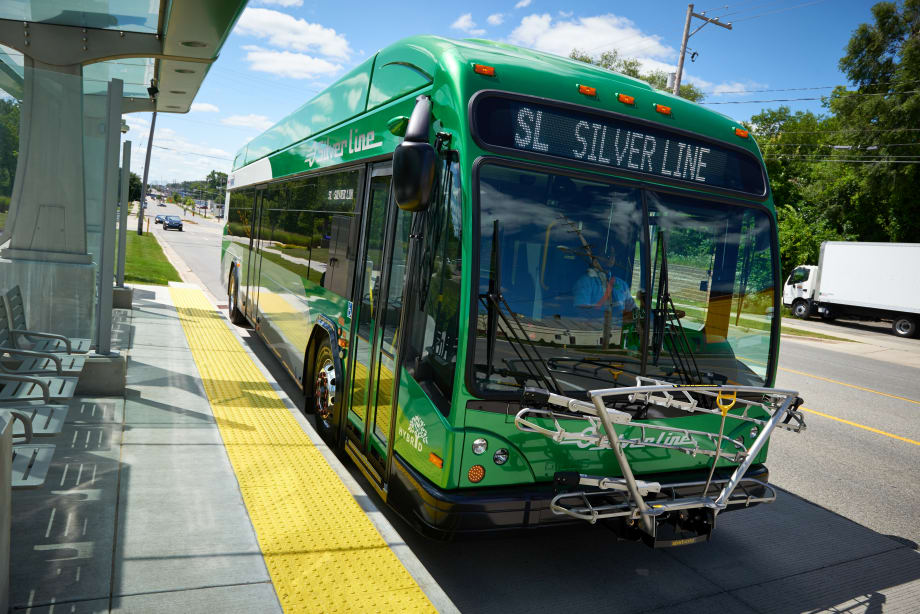
The Grand Rapids, Mich.-based Interurban Transit Partnership (The Rapid) celebrated the grand opening of the Silver Line Bus Rapid Transit (BRT) system. The new system will significantly improve transit options in the greater Grand Rapids area and offer faster, more convenient access to major downtown employers along one of the city’s busiest commercial corridors.
The 9.6-mile BRT system operates primarily along Division Avenue, serving residential areas along the corridor and major employers such as St. Mary’s Medical campus, the Michigan State University College of Human Medicine and the Cook-DeVos School of Nursing. Compared to non-BRT service, the Silver Line is faster because it eliminates the need for transfers between stops and uses dedicated bus lanes for much of the route.
RELATED:2014 BRT Survey: Projects Abound, Bring Economic Benefits
“The Silver Line is an excellent example of bus rapid transit that’s done right—offering a convenient and reliable travel option for thousands of residents in the Grand Rapids area,” said FTA Acting Administrator McMillan. “This new service will cut commuting times nearly in half for many workers, students and seniors in Kent County who are traveling to jobs, school and medical facilities in downtown Grand Rapids and the Medical Mile, while helping to reduce congestion on US 131.”
The FTA contributed approximately $32 million toward the $40 million total project cost, including $19 million through its Capital Investment Grant Program and $13 million through its Bus and Bus Facilities Grant Program. The remaining cost is covered by state funding.
More Bus
VIA, MBTA Reach Pre-Pandemic Ridership Milestones as Transit Use Climbs
VIA surpasses three million monthly trips for the first time since 2020, while the MBTA tops one million average weekday trips as both agencies report continued ridership growth.
What Transit Maintenance Facilities Should Know About Gas-Detection Placement
Proper gas-detector placement is critical to maintaining safety in transit maintenance facilities, requiring agencies to consider fleet fuel types, ventilation, shop operations, and ongoing equipment maintenance.

Improving Transit Safety and Reliability Through AI
Hayden AI’s Chief Growth Officer, Charley Territo, discusses how AI-powered camera enforcement is helping transit agencies keep bus lanes and stops clear, improve accessibility, and move from pilot programs to full-scale deployments.

Castro to Lead RTC of Southern Nevada and More in People Movement
In this edition, we also cover recent appointments and announcements at the STV, MCI, and more, showcasing the individuals helping to shape the future of transportation.

Study: Denver RTD Generates $2.1 Billion in Annual Economic Activity
An economic impact study finds the agency supports approximately 17,500 jobs, delivers $1.6 billion in annual community and mobility benefits, and generates $2.42 in economic value for every dollar invested.

Mark Aesch Nominated to Lead Federal Transit Administration
The former Rochester transit chief and TransPro founder, who has also contributed to METRO Magazine, brings decades of industry experience and a focus on performance, accountability, and financial sustainability to the nomination.

Pierce Transit Moves to Expand Fleet Following Proposition 1 Approval
The agency authorized the purchase or refurbishment of up to 60 buses to support a 47% service expansion, as voters nationwide approved billions in new transit funding.

Transit Expands Agency Partnerships, Reaching 200 Official App Partners
COO Jake Sion discusses Transit’s growth, the success of its Transit Royale program, and how technology is helping agencies improve the rider experience.
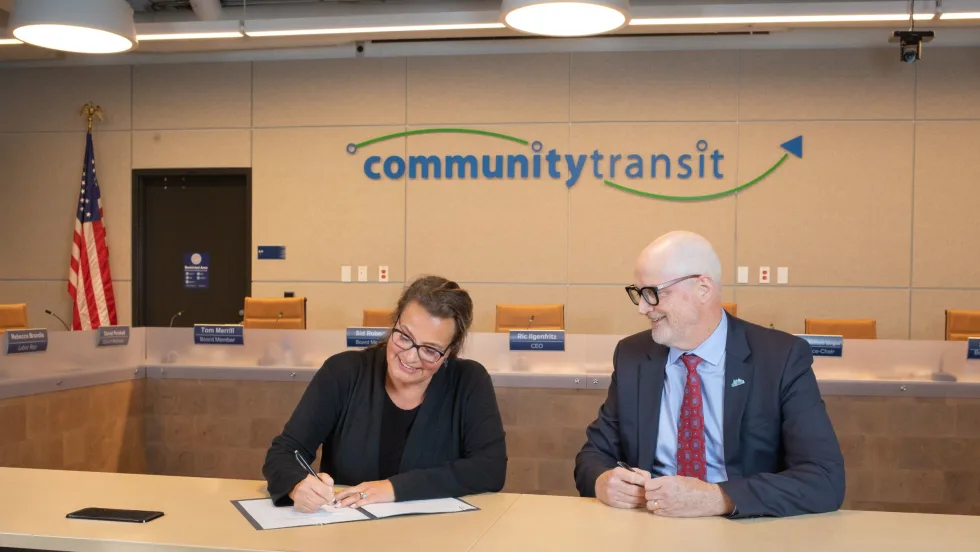
Everett Transit, Community Transit Approve Consolidation of Services
The agreement will bring Everett Transit into Community Transit’s network in April 2027, with plans to increase bus service by 50% by 2031 and expand regional connections.
Brian Dickson on Building Stronger, More Resilient Transportation Organizations
Bus Business Consultants Founder Brian Dickson discusses the leadership principles, operational discipline, and strategic planning that separate transportation companies positioned for long-term success from those stuck in survival mode.