



AC Transit receives $81M to finish BRT project
As one of the highest rated transit projects in the nation, the agency’s BRT will link one of the busiest traffic corridors in the Bay Area with a fast, economical and environmentally friendly means of transportation.

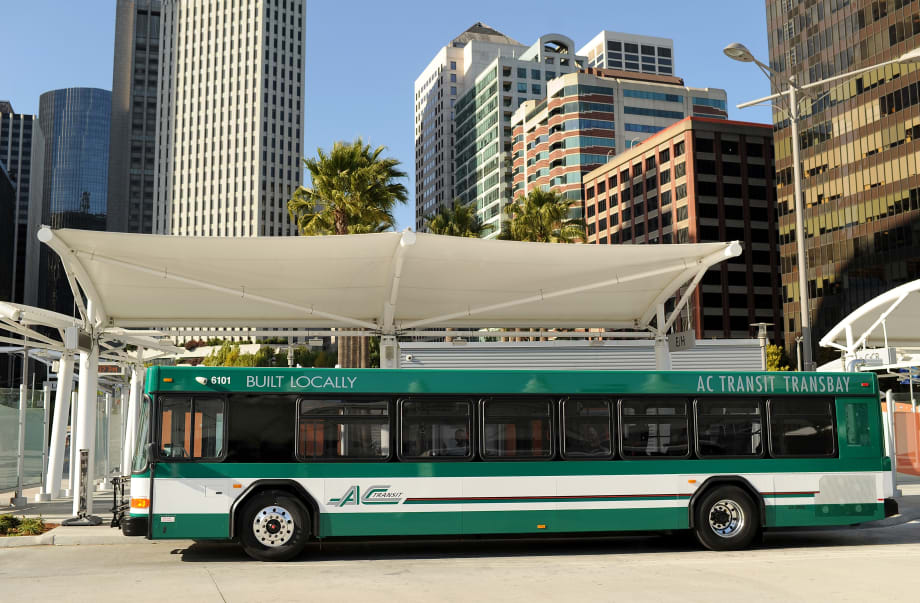
Oakland, Calif.-based AC Transit signed an agreement with the Federal Transit Administration (FTA) that commits the last of the funding needed to complete its East Bay Bus Rapid Transit (BRT) project, a nationally revered transit operation that will enhance bus reliability and reduce commute times along a corridor routinely knotted by traffic.
“With the East Bay BRT project, AC Transit continues to execute its vision to provide a truly world-class transit service that is convenient, reliable and safe; one that increases mobility, enhances the quality of life and improves the health of the environment throughout the communities we serve,” said AC Transit GM David Armijo. “I know we would not be where we are today without the support of our project partners: the cities of Oakland and San Leandro, Caltrans, as well as our congressional representatives who provided letters of support at a critical point in this process to ensure this FTA funding.”
As one of the highest rated transit projects in the nation, AC Transit’s BRT will link one of the busiest traffic corridors in the Bay Area with a fast, economical and environmentally friendly means of transportation. It will connect downtown Oakland to downtown San Leandro with dedicated lanes, transit signal priority and artistically-enhanced stations with level boarding.
By reducing traffic levels and significantly cutting emissions and pollutants, BRT offers residents a viable alternative to driving on congested city streets. Additionally, BRT combines the express service and capacity of light rail with the convenience and affordability of riding a bus.
The new BRT line will provide approximately 27,000 weekday trips when the line opens in 2017. The project will include 7.4 miles of dedicated bus lanes to speed service, as well as 34 new bus stations with real-time arrival information, level boarding platforms and ticket vending machines.
The U.S. Department of Transportation is contributing approximately $81 million toward the $174 million total cost of the East Bay BRT project, including $50 million from FTA’s Capital Investment Grant Program, $25 million in FTA Bus and Bus Facilities funds, and $6 million in Congestion Mitigation and Air Quality Improvement Program funds. The remaining cost will be covered by state and local funding sources.
More Bus

Scenes from APTA TRANSform & EXPO 2026
Transit leaders, manufacturers, and industry professionals gathered in Chicago to explore new technologies, share ideas, and discuss the future of public transportation.
Read More →
More Than a Summer Job: Building the Next Generation of Transit Talent
The Delaware River Port Authority and PATCO have transformed their internship program into a hands-on professional development experience that introduces students to the breadth of transportation careers — and creates a pipeline for future employees.
Read More →
LA Metro Board Awards 220 Battery-Electric Bus Contract to ENC
The contract, which is the largest base award of battery-electric buses by a U.S. transit agency, will be built in Southern California, sustaining good jobs as LA prepares to welcome the world in 2028
Read More →
Public Transit Conference Returning to GFX in 2027, Call for Papers Now Open
The Call for Papers is now open, allowing transit agency professionals and industry experts to help shape the PTC educational program by submitting session ideas for consideration.
Read More →
Indian River Transit’s Community-Focused Approach Earns National Recognition
Named APTA’s 2026 Outstanding Public Transportation System in its size category, Florida’s Indian River County transit system continues to grow ridership through fare-free service and a focus on evolving community needs.
Read More →
ENC Lands MATA Contract and More in Biz Briefs
In this edition of Biz Briefs, we spotlight the latest developments shaping the future of mobility.
Read More →
From Surviving to Thriving: Building Stronger Transportation Organizations
Bus Business Consultants founder Brian Dickson shares lessons on leadership, organizational health, and creating options for long-term success in a changing transportation industry.
Read More →
Everett Transit, Community Transit Outline Consolidation Agreement
The proposed agreement calls for a 50% increase in bus service in Everett, a new microtransit zone, continued paratransit service, and the transfer of Everett Transit operations to Community Transit.
Read More →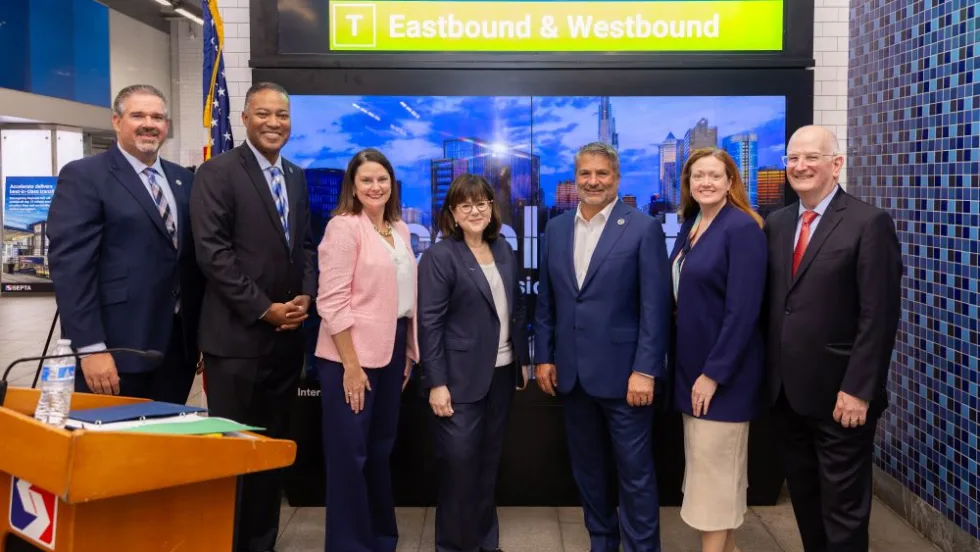
SEPTA Details Accelerate Vision for Transit System
The plan outlines investments in trolley modernization, new Metro and Regional Rail vehicles, accessible stations, and more frequent bus and rail service.
Read More →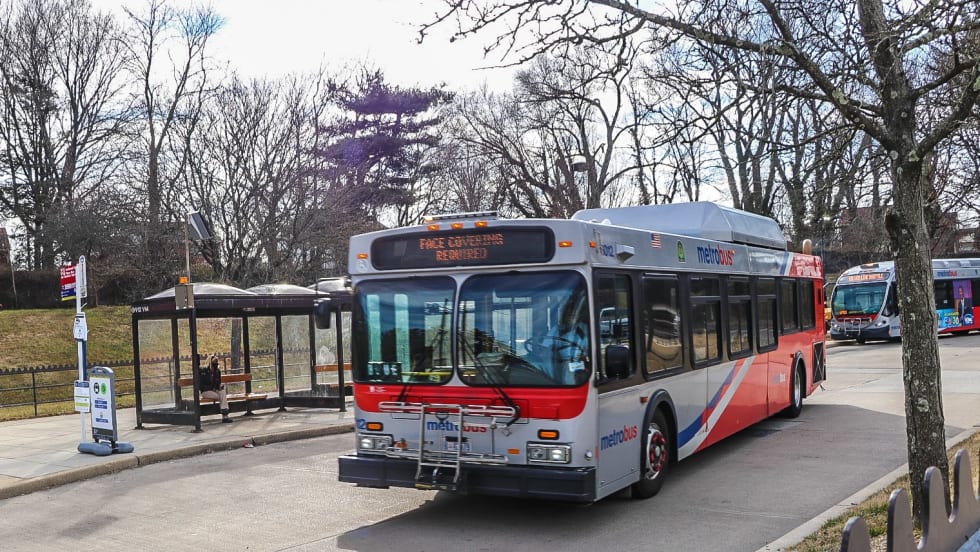
Report: Transit Bus Manufacturing Supports 34,100 Jobs, $5.1B in GDP
The “Buses Mean Business” report examines the transit bus manufacturing industry’s economic footprint, supply chain, and rising demand for vehicle replacements.
Read More →