




RELATED: N.Y. MTA adds 10 high-def ad screens
Antelope Valley Transit experiments with digital bus ads
Other cash-strapped California transit agencies, facing rising operating costs, are watching the potentially lucrative test run with interest, as current state law restricts digital signage on buses to route and service information.
May 26, 2015
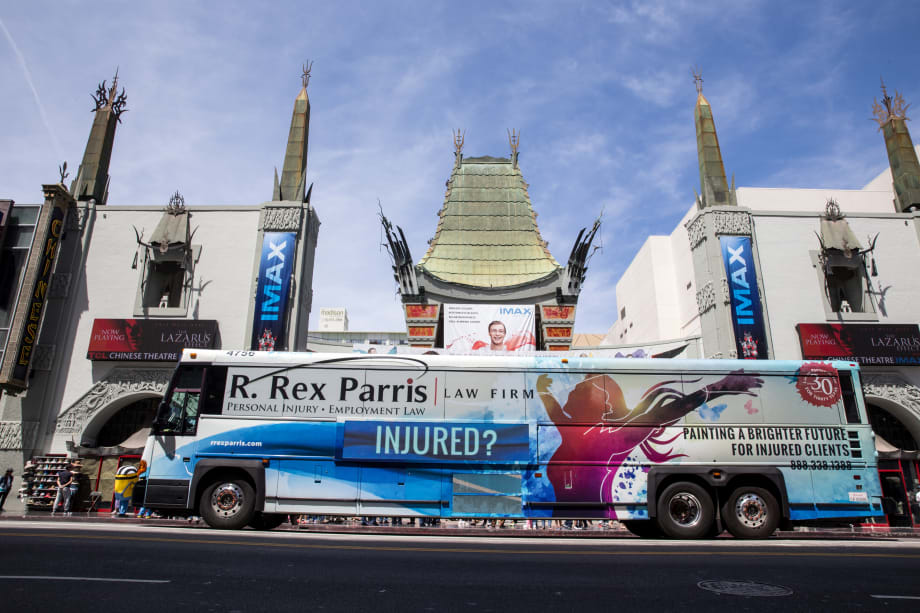
Photo courtesy: AVTA
3 min to read
Photo courtesy: AVTA
LANCASTER, Calif. — Several major U.S. cities, including New York and Chicago, have experimented with digital ads on buses, but an Antelope Valley Transit Authority commuter bus is the first of its kind in California. As part of a pilot program approved by the State Legislature, the agency will swap vinyl banner ads for digital panels on as many as 30 buses over the next five years, the Los Angeles Times reported.
Other cash-strapped California transit agencies, facing rising operating costs, are watching the potentially lucrative test run with interest, as current state law restricts digital signage on buses to route and service information. But some regulators have voiced safety concerns, saying moving ads on the driver's side of the bus, at eye-level, could distract drivers from the road, according to the report.
The digital panels are incorporated into an ad that covers the entire bus, with the full package costing the advertiser nearly $20,000 a month. A digital sign costs about $50,000 to install, and runs on the bus' electrical system, the Times reported. For the full story, click here.
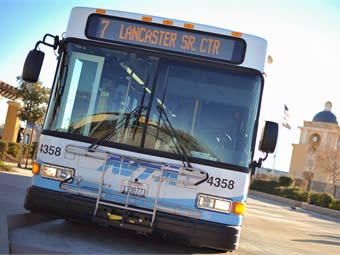
Photo courtesy: AVTA
For the first time in California’s history, digital advertising will be allowed on the side of a public transit bus as part of a pilot program to determine if digital bus advertising is a distraction to drivers. On April 10, state and federal legislators participated in an unveiling ceremony in Lancaster, California to mark the beginning of the five-year endeavor.
The state legislature granted the Antelope Valley Transit Authority (AVTA) the pilot program to study the impacts on traffic safety. The AVTA will work closely with the California Highway Patrol (CHP) to ensure the program is closely monitored in order to provide complete transparency. If the results determine there is no cause for concern, digital advertising signs on public transit buses may one day become legal in the state of California.
The pilot program was made possible through the passage of state legislation authored by then Senator Steve Knight, R-Antelope Valley.
“We fully expect these digital signs will prove to be just as safe as the digital billboards we see posted along our highways,” stated Congressman Knight. “Time will tell, but we feel confident this program will withstand scrutiny.”
“These transit digital signs can be remotely controlled and content can be uploaded quickly making them attractive to law enforcement seeking to post amber alerts,” said State Senator Sharon Runner. “We are confident law enforcement will be able to rely on AVTA’s digital signs to support emergency efforts to locate missing children.”
The passage of Senate Bill 1134 allows AVTA to install up to 20 digital advertising signs on the sides of its buses through Jan. 1, 2020, and requires the agency to provide a full report to the state legislature and the CHP identifying any adverse impacts on drivers caused by the digital signage. Representatives from the Antelope Valley CHP station were also in attendance today as a show of support for the pilot program.
Currently, many transportation systems use vinyl adhesive to advertise on transit buses. The printing and installation process is costly as it requires expensive material and skilled labor. Digital advertising signs would eliminate both of these expenses providing future advertisers with a more affordable method to reach their customers. AVTA’s pilot program also encourages the transit advertising industry to keep up with advanced technology.
SB 1134 was signed into law by the Governor last July 8 and went into effect on Jan. 1. The AVTA installed its first sign on a commuter coach which serves residents traveling from the Antelope Valley to West Los Angeles, Century City and UCLA. The digital sign will be capable of featuring numerous messages through a rolling display that must remain static when the bus is traveling on state freeways.
More Bus

New York MTA Plans Largest Bus Fleet Upgrade in More Than a Decade
The agency is seeking manufacturers for 650 new CNG buses to replace aging vehicles, improve reliability, and advance its broader fleet modernization strategy.
Read More →
Building a Flexible Path to Transit Electrification
John Hroncich discusses BAE Systems’ modular and scalable approach, lessons learned from decades of real-world operations, and how agencies can identify electrification strategies that fit their fleets.
Read More →
Bus Tech Talk: Keeping Transit Technicians Ahead of the Technology Curve
LA Metro’s Obed Mejia discusses technician training, evolving maintenance technology, fleet replacement, and strategies for getting the most out of today’s transit fleets.
Read More →
Biz Briefs: RIPTA Unveils New Frontrunners, Clevland RTA Adds New Siemens, and More
In METRO's latest installment, we take a look at recent news from Siemens, Prevost, Dodge, and more partnerships making headlines across the transportation sector.
Read More →
People Movement: Holly Arnold Joins Transdev and More
In this edition, we also cover recent appointments and announcements at Pace, CamTran, MCI, and more, showcasing the individuals helping to shape the future of transportation.
Read More →
The High Cost of Transit Buses: Industry Leaders Look to Procurement Reform
Transit leaders and policymakers examine how standardized bus designs, streamlined procurement, and predictable funding could help agencies stretch budgets and deliver better service.
Read More →
The Business Voice Behind Public Transportation
As chair of APTA’s Business Members Board of Governors, Ray Melleady explains how more than 850 business members are partnering with transit agencies to advance funding, innovation, and industry-wide collaboration.
Read More →
From Surviving to Thriving: Building Stronger Transportation Organizations
Bus Business Consultants founder Brian Dickson shares lessons on leadership, organizational health, and creating options for long-term success in a changing transportation industry.
Read More →
Finding the ‘Happy Medium’: Optimizing Maintenance Without Sacrificing Reliability
The key to maintenance optimization isn’t doing less work—it’s doing the right work at the right time on the right assets.
Read More →
LA Metro, City of West Hollywood, and Partners Advance Smarter Bus Lane Enforcement
The award-winning partnership combines AI-powered detection with human oversight to improve bus reliability, accessibility, and enforcement efficiency.
Read More →