



Cummins' transit bus initiative focuses on improved uptime, reliability
As part of the SmartEfficiency initiative, Cummins revealed the 2017 L9 diesel and 2017 B6.7 hybrid engine systems, the ISL G Near Zero (NZ) NOx natural gas engine, the isolated engine coolant loop system for the 2017 L9 and ISL G, and a new SmartSupport service program.


Cummins Inc. has unveiled the SmartEfficiency™ initiative for transit bus, which focuses on improved uptime and reliability. As part of the SmartEfficiency initiative, Cummins revealed the 2017 L9 diesel and 2017 B6.7 hybrid engine systems, the ISL G Near Zero (NZ) NOx natural gas engine, the isolated engine coolant loop system for the 2017 L9 and ISL G, and a new SmartSupport service program.
Available in 2017, the L9 for transit applications will continue to use the modular aftertreatment architecture.
RELATED: Cummins receives Tier 4 cert. for QSK95 locomotives
"The transit-duty cycle provides unique challenges in creating consistent exhaust temperatures required for passive Diesel Particulate Filter (DPF) regeneration. Therefore, Cummins will continue to leverage the current product experience and Particulate Matter (PM) storage capacity of the Modular Aftertreatment System. This decision is consistent with the SmartEfficiency initiative and Cummins commitment to improving uptime and reliability," said Laura Chasse, Cummins GM of North American Bus.

Another SmartEfficiency-driven improvement is the isolated coolant loop for transit buses using an L9 or ISL G powertrain, which improves reliability and reduces downtime. A water-to-water heat exchanger will be mounted on the L9 or ISL G, and will provide heat to the passenger compartments, as needed, while providing a self-contained coolant flow to the engine compartment area. This new approach reduces potential coolant leakage or air infiltration for better Exhaust Gas Recirculation (EGR) cooler reliability and durability. Installation of the isolated coolant loop becomes standard in transit buses beginning January 2017.

The Cummins Westport Inc. (CWI) ISL G Near Zero (NZ) offers transit authorities an alternative product that is certified to optional near-zero emissions standards. The ISL G NZ is built off the current ISL G platform, but requires Closed Crankcase Ventilation (CCV) that prevents crankcase emissions, a larger maintenance-free Three-Way Catalyst (TWC), and a unique engine calibration. Together, these improvements will allow the ISL G NZ to certify to 0.02g/bhp-hr, or 90% below the current U.S. Environmental Protection Agency (EPA) NOx standards, and provide up to a 15% reduction in CO2 emissions. The ISL G NZ can power transit and shuttle buses weighing up to 66,000 lbs. GVW. The ISL G NZ is the natural choice when considering alternative energy vehicles in non-attainment areas.
In order to provide an unparalleled service and support experience for transit authorities, Cummins is currently piloting a new service program, called SmartSupport, where Cummins will proactively replace critical engine components to reduce unscheduled downtime for our end customers.
"The proactive replacement schedule is based on the predicted life of the component. With the future integration of Connected Diagnostics,™ Cummins will be further equipped to keep the transit authority fleets operating, and replace critical components when needed," said Kartik Ramanan, Cummins GM of Global Bus.
More Bus

Biz Briefs: OCTA Taps Clean Energy for Hydrogen Station, Stadler to Supply Via Rail Vehicles, and More
From manufacturers and suppliers to transit agencies and motorcoach operators, these updates offer a snapshot of the projects, partnerships and business moves driving the industry forward.
Read More →
METRO Magazine Announces 2026 Innovative Solutions Awards Winners
Projects Recognized for Advancing Mobility Through Technology, Accessibility, Workforce Innovation, and Operational Excellence
Read More →
Biz Briefs: STV teams with Amtrak, Motorcoach Operators Boost Fleet and Land Contracts, and More
From manufacturers and suppliers to transit agencies and motorcoach operators, these updates offer a snapshot of the projects, partnerships and business moves driving the industry forward.
Read More →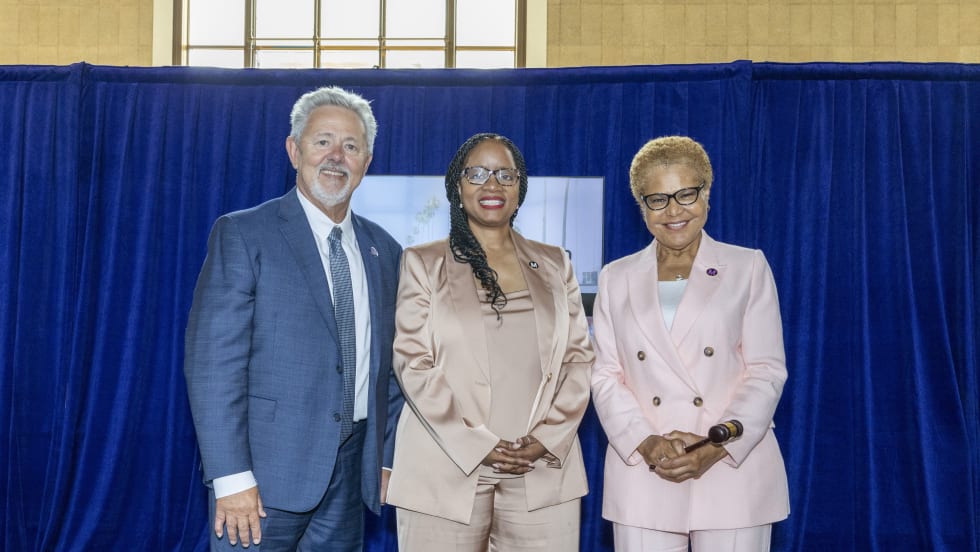
LA Metro Marks Banner Year, Sets Ambitious Goals for New Fiscal Year
Incoming LA Metro Board Chair and Los Angeles Mayor Karen Bass joined outgoing Board Chair Fernando Dutra and LA Metro CEO Stephanie Wiggins to review accomplishments from fiscal year 2026, which included the opening of new rail extensions, advancement of major transit projects, expanded safety programs, and new rider amenities.
Read More →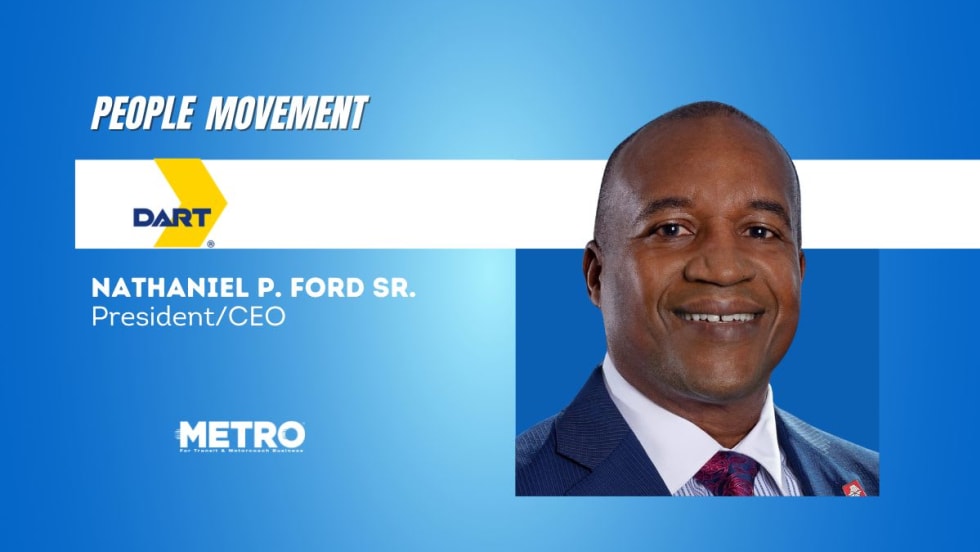
DART Taps Nathaniel P. Ford Sr. as Next President/CEO
Since 2012, Ford has served as the CEO of the Jacksonville Transportation Authority
Read More →
AC Transit’s Cecil Blandon on Building the Next Generation of Transit Maintenance Leaders
The agency’s maintenance chief discusses leadership, workforce development, zero-emission technology, and preparing technicians for the future of public transportation.
Read More →
Building the Next Generation of Transit Technology
In this edition of METROspectives, Luminator CEO Magnus Friberg discusses the company's transformation, the growing role of AI and software, and what's next for transit technology.
Read More →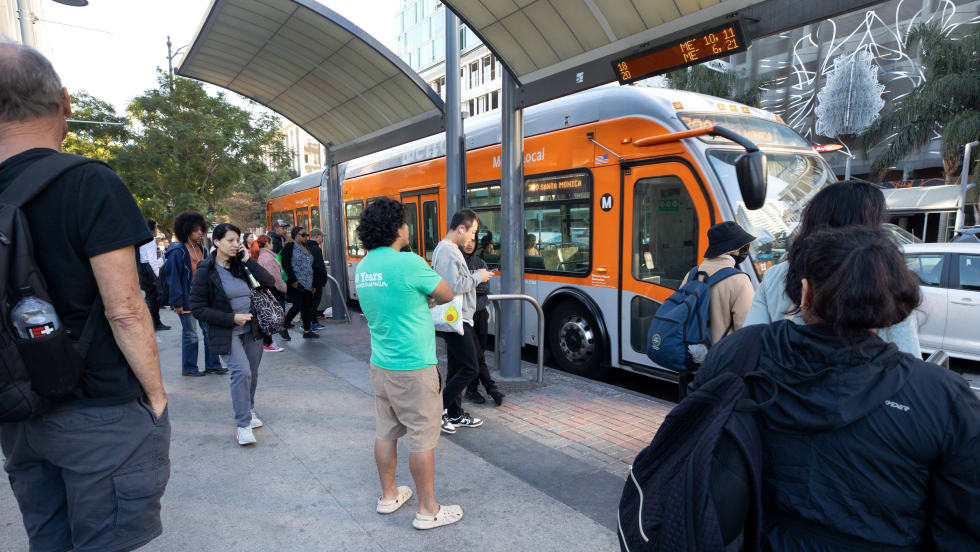
June LA Metro Ridership Surges 2 Million Year Over Year
Total June ridership increased for both weekdays and weekends. Weekday ridership was 953,820, which grew 8.4% from June 2025; Saturdays increased nearly 13% year-over-year to 708,826; and Sundays increased 7.7% to 611,534 from June 2025, according to LA Metro.
Read More →
Washington's Pierce Transit Board Sends Transit Funding Measure to November Ballot
With the adoption of Resolution 2026-006, the measure moves to the Pierce County Auditor, giving voters in the Pierce Transit service area the decision on whether to fund an expansion of local transit service within the agency’s service area.
Read More →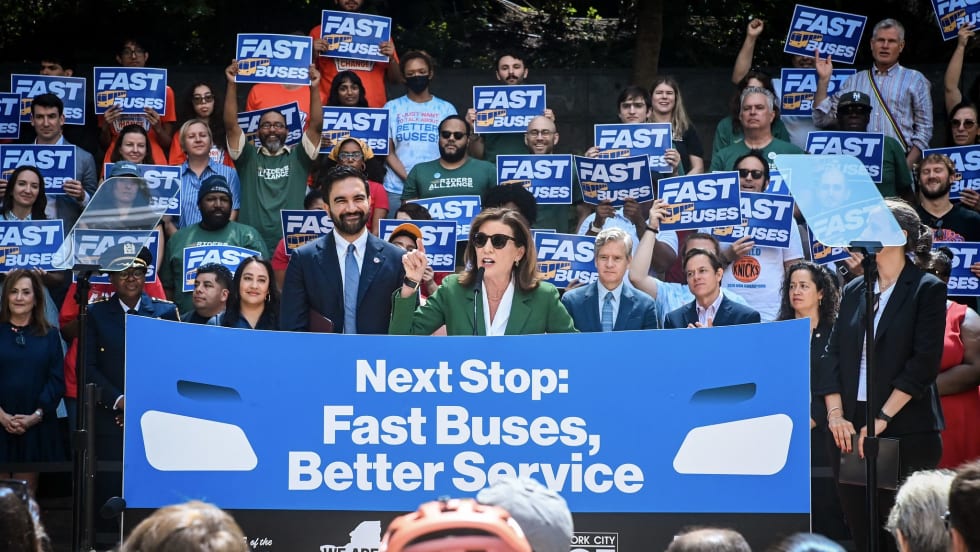
New York Unveils Sweeping Plan to Modernize City Bus Service
Next Stop: Fast Buses, Better Service identifies 50 priority bus corridors for improvements across the five boroughs and launches the City’s next generation of rapid bus service along five key routes.
Read More →